

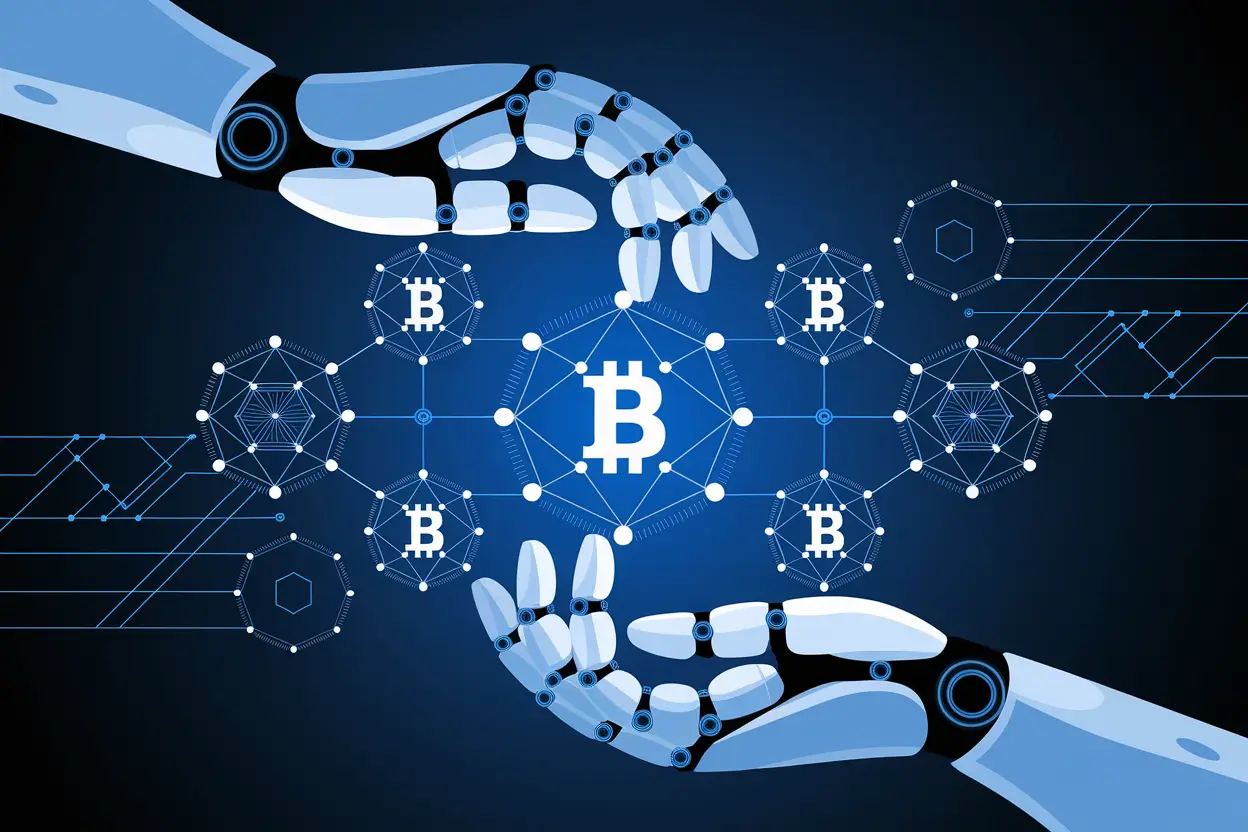
Smart Contracts in AI Automation represent a groundbreaking integration of blockchain-based digital agreements with intelligent automation systems. In a world increasingly driven by digital transformation, this combination allows autonomous, transparent, and tamper-resistant operations between AI-driven agents. These contracts execute predefined terms automatically when specific conditions are met, removing intermediaries and reducing operational inefficiencies. The rise of decentralized systems and artificial intelligence has accelerated the use of smart contracts in automating workflows, machine-to-machine communications, and decentralized decision-making in sectors like finance, logistics, and healthcare.
Understanding Smart Contracts in AI Automation
Smart Contracts in AI Automation merge blockchain and artificial intelligence technologies. A smart contract is a self-executing code stored on a blockchain, designed to execute when certain conditions are satisfied. In AI Automation, these contracts interact with AI algorithms that provide data analysis, decision-making, and predictive responses. The outcome is a system capable of executing transactions and processes automatically without human intervention.
At the core, smart contracts use blockchain’s distributed ledger to maintain transparency, while AI provides adaptability and intelligence. Together, they establish trust between parties and eliminate dependency on centralized authorities. These features are crucial when automating tasks across multiple agents or organizations with differing objectives.
How Smart Contracts in AI Automation Work
The process begins by writing the smart contract code containing predefined rules. Artificial intelligence comes into play by supplying real-time data, predictive analytics, or recommendations that influence contract execution. Once the conditions set by the AI signals are met, the blockchain validates and executes the contract automatically. This ensures that every rule, payment, or action operates without delays or errors.
A common workflow includes the following steps:
- The AI model collects and analyzes data.
- The model triggers a smart contract event when the condition threshold is reached.
- The blockchain verifies the condition and executes the agreed-upon transaction.
- The ledger records the transaction permanently and immutably.
Core Concepts Behind Smart Contracts in AI Automation
Several core concepts underpin this technology:
- Autonomy: Once deployed, smart contracts execute automatically without external interference.
- Transparency: Every action performed by a smart contract is visible to participants in the network.
- Determinism: The same code executed on identical inputs produces the same outputs, eliminating ambiguity.
- Interoperability: AI systems interact with multiple blockchains through APIs and oracles.
- Security: Data integrity is enforced by blockchain cryptography.
Advantages of Smart Contracts in AI Automation
The integration delivers enormous advantages:
- Reduced operational costs: No need for intermediaries or auditors.
- Increased reliability: AI verifies contract fulfillment accurately, eliminating human error.
- Data-driven automation: AI provides context-sensitive decision-making to smart contracts.
- Real-time validation: Conditions are validated instantly through network consensus.
- Scalability: Enables automation across IoT, supply chains, and cloud systems.
Challenges of Smart Contracts in AI Automation
Despite its strengths, challenges exist:
- Complexity: Integrating intelligent decision-making with blockchain requires specialized programming.
- Data trust issues: Contracts depend heavily on the accuracy of AI predictions.
- Scalability bottlenecks: Blockchain transaction throughput might not match AI speed.
- Upgradability concerns: Smart contracts are immutable, so updating them is complicated.
- Regulatory uncertainty: Many jurisdictions still lack clarity on AI-blockchain-driven automation.
Real-World Use Cases of Smart Contracts in AI Automation
Numerous industries now employ Smart Contracts in AI Automation for enhanced transparency and autonomy. Major applications include:
- Supply Chain Management: AI monitors shipment data while smart contracts trigger payments or penalties based on delivery performance.
- Healthcare: AI-assisted contracts automate insurance claims, validate prescriptions, and ensure compliance with HIPAA or GDPR.
- Financial Services: Smart contracts execute payments, settlements, and AI-based risk analysis automatically.
- IoT Networks: Devices exchange data autonomously, where AI triggers resource allocation via smart contracts.
- Energy Trading: AI forecasts demand and supply, while smart contracts manage peer-to-peer energy distribution.
Case Studies of Smart Contracts in AI Automation
Case 1: Autonomous Fleet Management – In transportation, companies use AI-driven data analytics to monitor vehicle maintenance schedules. Smart contracts automatically schedule repairs, trigger supplier orders, and release payments once services are verified.
Case 2: Decentralized Insurance – Smart contracts process AI-assessed risks and issue payouts once certain environmental or behavioral parameters are met. This reduces fraud and accelerates settlements.
Case 3: Healthcare Data Control – Patient data management can be handled autonomously with AI analyzing data and a smart contract guaranteeing access only for authorized users.
Technical Setup for Smart Contracts in AI Automation
Developers often use platforms like Ethereum, Hyperledger Fabric, or Polkadot for building smart contracts. Integration with AI frameworks such as TensorFlow, PyTorch, or OpenAI APIs allows intelligence input into blockchain-triggered workflows.
Example workflow pseudocode:
1. AI monitors temperature sensors.
2. If temperature exceeds threshold, AI calls contract function.
3. Contract verifies condition and releases funds to maintenance provider.
4. Transaction recorded on-chain for auditability.
Smart Contracts in AI Automation Compared with Conventional Automation
| Parameter | Traditional Automation | AI + Smart Contract Automation |
|---|---|---|
| Execution Control | Centralized authority | Decentralized, autonomous |
| Transparency | Limited | Immutable public record |
| Adaptability | Static rules | Dynamic through AI insights |
| Trust Mechanism | Institution-based | Consensus-based |
| Security | Human oversight | Cryptographic verification |
Latest Trends in Smart Contracts in AI Automation
Recent trends include the use of hybrid blockchain models where AI decisions occur off-chain, and outcomes are verified on-chain for cost efficiency. Machine Learning Oracles are emerging as trusted data sources for smart contracts, ensuring reliable external inputs. Additionally, zero-knowledge proofs are helping ensure privacy in transactions without revealing the data itself.
Another major trend is Autonomous Decentralized Organizations (ADOs) where AI agents manage decentralized business logic through smart contracts. These virtual organizations operate with near zero human input yet maintain accuracy and trust.
Security Considerations for Smart Contracts in AI Automation
Securing data in this ecosystem is critical. Developers apply formal verification methods to validate code logic. Smart contract audits are becoming mandatory. AI data pipelines must also use encryption, and privacy-preserving computation such as federated learning ensures sensitive data doesn’t leave user devices. Vulnerability to oracle manipulation or biased AI algorithms remains a primary focus.
Integration Strategies for Smart Contracts in AI Automation
Integration involves designing interoperable bridges between AI models and smart contract platforms. Oracles act as middleware that feed AI decisions into blockchain environments. APIs simplify communication between blockchain nodes and off-chain AI engines. Cloud services like AWS Lambda or Azure Functions can host AI inference layers interacting with blockchain nodes.
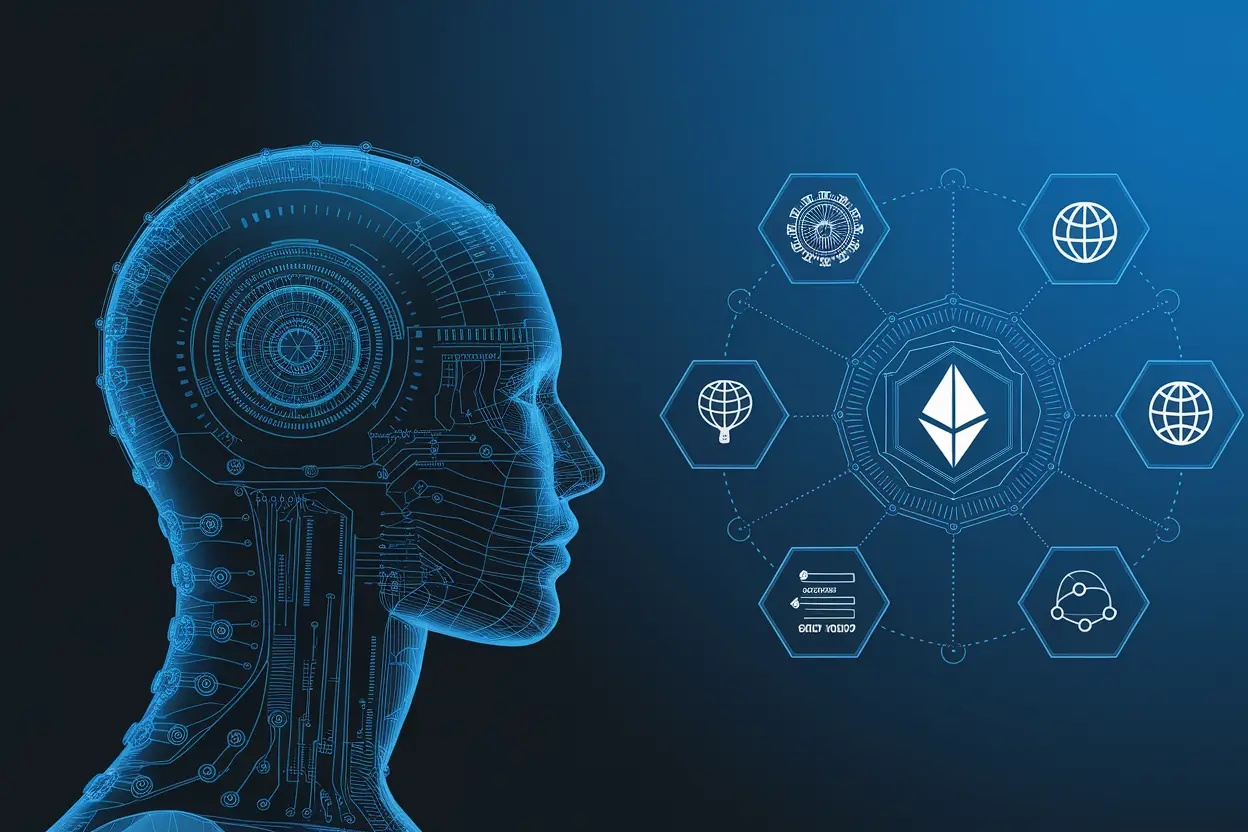
Common Mistakes and How to Avoid Them in Smart Contracts in AI Automation
- Insufficient Data Validation: Always verify AI-generated data via cross-validation or multiple sources before execution.
- Poor Contract Design: Inflexible conditions can hinder adaptability. Include upgrade logic through proxy patterns.
- Ignoring Governance: Define clear ownership rules for AI models and contract updates.
- Lack of Audits: Regular code reviews are essential for detecting vulnerabilities.
Future Outlook for Smart Contracts in AI Automation
The fusion of AI and blockchain will shape the future of autonomous technology ecosystems. As trustless environments mature, smart contracts will handle complex decision chains and AI will refine accuracy with reinforcement learning. Industries will witness decentralized manufacturing, predictive maintenance, and digital governance systems where machines negotiate contracts.
Emerging technologies such as quantum computing and federated AI are expected to expand smart contract applications even further, enabling secure, scalable, and privacy-preserving automation globally. The next decade will likely see self-evolving contracts adapting dynamically to changing data patterns in real time.
FAQs on Smart Contracts in AI Automation
What are Smart Contracts in AI Automation?
They are blockchain-based contracts integrated with AI algorithms to automate decision-making and execute tasks without manual intervention.
How secure are Smart Contracts in AI Automation?
They are inherently secure due to blockchain encryption, but security must also include audited AI models and oracle validation.
Can Smart Contracts in AI Automation replace human oversight entirely?
Not yet completely. Human monitoring remains crucial for ethical decisions, compliance, and adaptation to unforeseen data scenarios.
What programming languages are typically used?
Smart contracts use Solidity (Ethereum) or Go (Hyperledger), while AI models use Python and frameworks like TensorFlow or PyTorch.
Are Smart Contracts in AI Automation cost-effective?
Although initial setup is complex, long-term savings from reduced intermediaries and faster operations are substantial.
How will future blockchain scalability affect adoption?
Scalability improvements like Layer-2 solutions will accelerate widespread adoption by reducing transaction costs and latency.
Conclusion: The Future Power of Smart Contracts in AI Automation
Smart Contracts in AI Automation are transforming industries by merging the precision of blockchain with the intelligence of AI-driven decisions. The synergy enables organizations to operate trustlessly and efficiently while reducing operational costs. As new frameworks emerge, these technologies will define a new digital economy driven by automated trust, decentralized intelligence, and transparency.