


Prototype Model is a collaborative and iterative software development methodology designed to refine project requirements through early versions, known as prototypes. This approach plays a pivotal role when system requirements are unclear or rapidly evolving, providing developers and stakeholders with an opportunity to analyze, test, and improve functionality before launching the final product. With its emphasis on user feedback, the Prototype Model enhances product quality, usability, and adaptability across various types of software projects.
What is the Prototype Model?
The Prototype Model is a software development approach where a working model of the system, or prototype, is built early in the project timeline. These initial versions may not have complete functionality but are effective at capturing user feedback, refining requirements, and exploring problem solutions iteratively. It bridges the communication gap between stakeholders and developers by providing a tangible version of the system from early development stages.
Key Phases of the Prototype Model
Each phase in the Prototype Model contributes to iterative feedback and improvement. Below are the primary stages:
- Requirement Gathering and Analysis: Developers interact with clients to understand high-level needs without expecting full clarity.
- Quick Design: A minimal system outline is designed with a strong focus on core functionalities.
- Build a Prototype: A preliminary version of the software is created based on the quick design.
- User Evaluation: Users test the prototype and provide feedback on effectiveness, user flow, and features.
- Refining the Prototype: Multiple refinement cycles take place until the user’s expectations are accurately met.
- Implement the Product: The prototype structure guides the actual software development.
- Maintenance: Ongoing support ensures system stability, enhancement, and issue resolution.
Advantages of the Prototype Model
The Prototype Model comes with numerous advantages beneficial to both developers and users:
- High User Involvement: Maximizes user participation in modeling the end product.
- Requirement Clarification: Through iterations, ambiguities are reduced significantly.
- Risk Reduction: Early discovery and resolution of problems save cost and time.
- Rapid Feedback Loop: Agile responses to user needs speed up development.
Disadvantages of the Prototype Model
While the Prototype Model offers flexibility, it is not without challenges:
- Resource Intensive: Frequent iterations may demand more time and effort.
- Scope Creep: Constant changes might deviate from initial goals and affect timelines.
- Lack of Comprehensive Features: Emphasis on core functions in early phases might overlook essential aspects.
Core Concepts Behind the Prototype Model
The Prototype Model relies on several foundational concepts that optimize its iterative nature:
- Iterative Development: Encourages refining through repetition of creating, testing, and modifying prototypes.
- User-Centered Design: Users are part of the development journey, helping define what success looks like.
- Adaptability: Flexible to evolving needs and dynamic project environments.
Real-Life Applications of the Prototype Model
The Prototype Model finds its strength particularly in these domains:
- Mobile App Development: Iterative UI/UX prototype testing ensures better final usability.
- E-commerce Platform Design: Helps in refining shopping flows and cart behavior based on test users’ feedback.
- Healthcare Systems: Ensures accurate data handling and usability through repeated evaluations.
Use Cases of Prototype Model in Software Development
Using the Prototype Model is strategic in projects with unclear or evolving requirements. Typical examples include:
- Innovative Product Development: Provides a safe ground for idea experimentation.
- User-Centric Systems: Ensures interface design aligns with user behavior.
- Experience-Heavy Applications: Encourages early usability testing, especially where UX is critical.
Toolsets for the Prototype Model
For optimal results, the Prototype Model relies on the following modern tools:
- Figma: For scalable, collaborative UI/UX prototyping.
- Sketch: Convenient for Apple-based UI design projects.
- Adobe XD: Ideal for creating interactive and high-fidelity designs.
Technical Tips for Successful Prototyping
To ensure effectiveness in the Prototype Model, consider the following actionable tips:
- Set Clear Prototyping Objectives: Define what each prototype aims to test or demonstrate.
- Balance Between Detail and Speed: Use medium fidelity where appropriate to avoid wasting resources.
- Stakeholder Collaboration: Maintain ongoing communication with stakeholders from the early phase.

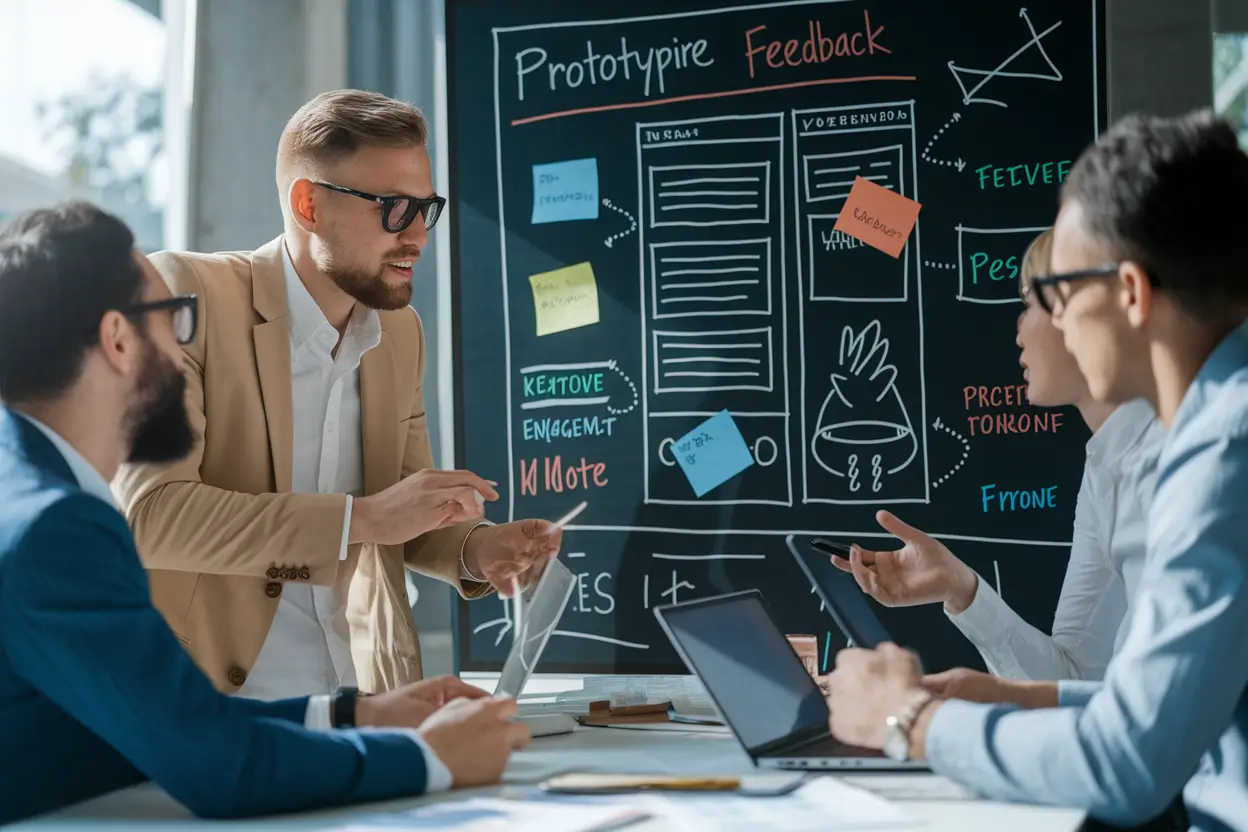
Prototype Model vs Waterfall and Agile Models
| Aspect | Prototype Model | Waterfall Model | Agile Model |
|---|---|---|---|
| Development Flow | Iterative | Linear and Sequential | Incremental and Iterative |
| User Involvement | High | Low | High |
| Requirement Flexibility | Flexible | Rigid | Flexible |
| Time to Feedback | Early | Late | Early and Frequent |
Latest Trends Enhancing the Prototype Model
Modern software environments have introduced new directions to improve the Prototype Model approach:
- AI-Assisted Prototyping: Using machine learning for automated UI suggestions and feature iterations.
- Real-Time Online Collaboration: Cloud platforms enable stakeholders and remote developers to co-build prototypes.
- VR/AR Prototypes: Enhanced simulation for immersive systems testing.
Common Mistakes in Prototyping and How to Avoid Them
The Prototype Model is effective, but prone to errors. Avoid the following pitfalls:
- Overcomplicating Early Prototypes: Keep it simple to receive core feedback quickly.
- Disregarding Non-Functional Requirements: Account for performance and security aspects early.
- Ignoring User Feedback: Neglecting stakeholder input defies the model’s goal and can derail development.
Future Outlook for the Prototype Model
Innovation will continue shaping how the Prototype Model evolves:
- Integrating AI for Feedback Interpretation: AI could streamline insights gained from prototypes.
- Prototyping in Extended Reality: Adding layers of real-world interaction to design testing.
- Open-Source Collaboration: Prototyping in public to involve communities or beta testers early on.
FAQs About Prototype Model
How does the Prototype Model differ from Agile?
Agile delivers frequent working parts of the product, whereas the Prototype Model focuses on refining user requirements using a non-complete system version.
Is the Prototype Model suitable for all software projects?
No, it’s best for projects with evolving or unclear requirements. Certain low-complexity or well-defined projects may benefit from other models.
How many iterations are usually done in the Prototype Model?
There is no fixed number but typically 2–5 cycles are common depending on feedback and complexity.
Conclusion: Why the Prototype Model Works
The Prototype Model stands out for its user-focused, iterative approach to software development. It enables real-time problem solving, facilitates communication, and reduces the risk of building an unusable product. Especially in projects involving innovation or complex interfaces, it remains a reliable strategy to bridge the user-developer understanding gap and deliver successful results.