


Visiting London for the first time can be one of the most exciting and eye-opening experiences for any traveler. This bustling capital city merges centuries of history with cutting-edge modern culture, from grand royal palaces to quirky street markets, all discovered within a single day’s journey. A first-time visit is both inspiring and overwhelming, and understanding how to navigate London like a local can transform your trip into an unforgettable experience. In this complete local’s starter guide, we’ll explore everything a newcomer needs to know: transportation, attractions, cultural etiquette, budgeting, neighborhoods, and the practicalities of making the most out of your adventure.
Understanding the Essence of Visiting London for the First Time
When visiting London for the first time, it’s essential to grasp that London isn’t a single identity—it’s a collection of diverse boroughs and micro-communities, each with its own vibe. The city spans ancient Roman ruins to modern architectural wonders like The Shard. Over 9 million people live here, representing hundreds of languages, which means food, fashion, and entertainment in London are some of the most eclectic in the world.
London operates as both a historic and global financial hub, but visitors often discover its human side through local pubs, markets, and cultural traditions. It’s the sense of discovery—wandering from Westminster’s grand landmarks to Camden’s eccentric markets—that gives first-time visitors a real flavor of London’s personality.
Planning Essentials When Visiting London for the First Time
Preparation makes or breaks a trip. London’s vastness can surprise first-time visitors. Unlike compact European cities, London’s key attractions are spread across wide geographic areas, requiring strategy to save time and transportation costs. Booking accommodations near a Tube station can drastically simplify your trip. Consider districts like South Kensington, Bloomsbury, or Shoreditch, depending on whether you prefer classic charm, literary history, or trendy experiences.
- Book tickets for major attractions such as the London Eye or Tower of London in advance.
- Use an Oyster card or contactless card for all public transportation.
- Plan walking routes along the Thames to capture key sites in one go.
Planning around London’s unpredictable weather is also key—pack a light waterproof jacket and comfortable shoes since walking remains the best way to truly explore.
How Transportation Works When Visiting London for the First Time
Transport defines much of your experience when visiting London for the first time. The London Underground—locally called “the Tube”—is the most efficient way to move between zones. Buses complement Tube routes, offering scenic rides across the city. Tapping in and out with an Oyster or contactless card ensures the lowest fare automatically applies. Daily fare caps protect you from overspending. For shorter journeys, walking or using a rented Santander Cycle can be economical and enjoyable.
The city’s transit network connects Heathrow, Gatwick, Luton, and Stansted Airports via express trains and bus links, ensuring smooth entry for international visitors. Avoid peak commuting hours (7-9 am, 5-7 pm) to reduce stress and crowding.
Top Attractions Not to Miss When Visiting London for the First Time
Visiting London for the first time demands balancing the iconic highlights with local secrets. Here are the essentials:
- Big Ben and the Houses of Parliament: A must-see masterpiece of Gothic architecture.
- Buckingham Palace: Witness the Changing of the Guard ceremony for a glimpse of Royal tradition.
- The British Museum: One of the greatest collections of world art and antiquities.
- Tower Bridge and the Tower of London: A walk through England’s medieval past.
- Covent Garden: Street performers, boutique shops, and dining.
- Camden Market: London’s counter-culture hub.
- Greenwich: Home of the Prime Meridian and maritime history.
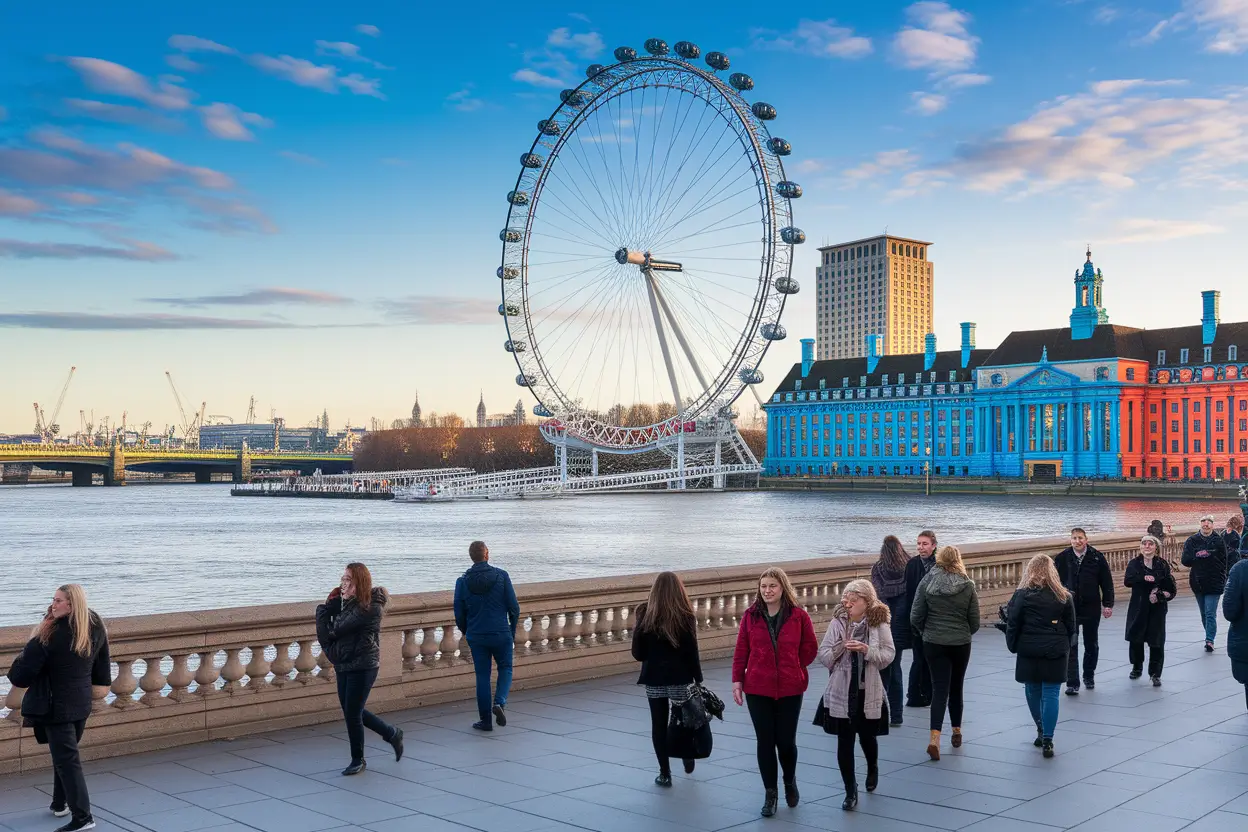
To see London beyond the highlights, wander through Borough Market for artisan food or Notting Hill for its pastel homes and vintage stores. Watching city life unfold from the Southbank is equally captivating.
Cultural Etiquette and Behaviors when Visiting London for the First Time
Locals in London are polite but reserved. Respect for personal space and queuing (lining up) are cultural norms. Loud or intrusive behavior in public transport can trigger disapproval. When greeting someone new, a simple “Hello” or “Nice to meet you” suffices—handshakes are common in formal situations but optional in casual ones. Tipping is typically 10-12.5% in restaurants if service isn’t included in the bill.
London’s cultural etiquette also extends to time management—punctuality is valued. If you’re attending a meeting or show, it’s customary to arrive five to ten minutes early. These nuances help travelers blend in smoothly with the rhythm of the city.
Food and Dining Tips When Visiting London for the First Time
Another exciting part of visiting London for the first time is food exploration. London’s culinary scene reflects its diversity. You can have traditional English breakfasts and fish and chips one day, followed by authentic Indian curries or Vietnamese pho the next. Popular dining areas include Chinatown, Brick Lane, and Borough Market for casual bites, while Michelin-starred restaurants cater to luxury enthusiasts.
For budget-conscious explorers, local “pub grub” provides hearty and affordable meals, often paired with craft beers. Don’t miss Sunday roasts at historic pubs or afternoon tea experiences in areas like Mayfair for a taste of British tradition. Many restaurants require bookings, so reservations are advisable, especially in peak seasons.
Accommodation Choices When Visiting London for the First Time
Where you stay can shape the entire journey. When visiting London for the first time, proximity to transport is more important than luxury. Budget travelers often choose hostels or shared rentals in areas such as King’s Cross or Paddington. Mid-range hotels and boutique stays in Soho, Covent Garden, or Southbank provide convenience for sightseeing. Luxury travelers gravitate toward Mayfair or Kensington, home to elegant townhouses and high-end hotels.
Consider amenities and distance to the nearest Tube station. Booking early can save significantly, especially from June to August when tourism peaks. For longer stays, serviced apartments allow flexibility and comfort.
Pros and Cons of Visiting London for the First Time
Every destination has its highs and lows. Understanding both helps travelers prepare realistically.
Pros:
- Rich history and culture in every corner.
- World-class museums and free public attractions.
- Efficient transport infrastructure.
- Diverse cuisine and entertainment.
- Safe and tourist-friendly environment.
Cons:
- High accommodation and dining costs.
- Unpredictable weather patterns.
- Crowded tourist zones during weekends.
- Complex transit routes for first-timers.
Money and Budget Planning When Visiting London for the First Time
London operates primarily in British pounds (£). Contactless payments dominate, though small markets still appreciate cash. Set a daily budget depending on your travel style: budget travelers may spend around £60–£90 per day, while premium travelers might exceed £250. City passes like The London Pass can help save money by bundling multiple attractions under one fee.
Street markets like Camden and Portobello Road offer great souvenirs without draining your wallet. Be cautious with foreign currency exchange near tourist spots as rates may be unfavorable. Prefer ATMs or ATOL-endorsed exchange offices instead.
Neighborhoods to Explore When Visiting London for the First Time
Each neighborhood tells a unique story. For those visiting London for the first time, some essential districts include:
- Westminster: Historical core filled with landmarks.
- Soho: Loud, vibrant, and famous for nightlife.
- Chelsea and Kensington: Elegant, residential, and ideal for refined experiences.
- Shoreditch: The heart of creativity and street art.
- Greenwich: Peaceful with maritime charm and riverside walks.
Visiting multiple districts over several days provides a sense of London’s vast character diversity, from royal to bohemian.
Seasonal Considerations When Visiting London for the First Time
Seasonality defines how you experience London. Summer (June–August) offers long days and outdoor festivals but higher crowds and prices. Spring (March–May) and Autumn (September–October) provide milder weather ideal for walks. Winter, especially December, brings beautiful Christmas lights and markets, though shorter daylight hours.
Always carry layers of clothing since weather can shift within hours. Umbrellas are constant companions for locals and should be for visitors too.
Modern Trends for Tourists Visiting London for the First Time
Travel trends are reshaping the visiting London for the first time experience. Sustainability is a strong focus—eco-friendly hotels, electric taxis, and reusable water stations are becoming the norm. Travelers seek authentic local involvement such as community walking tours or cooking classes. Digital navigation tools, such as Google Maps, Citymapper, or Tube checkers, make exploring smooth.
Interactive museum tickets, contactless payments in markets, and flexible attraction scheduling define London’s tech-savvy tourist experiences.
Comparing Visiting London for the First Time with Other Major Cities
Compared to cities like Paris, London offers a stronger mix of tradition and innovation. Unlike Rome’s focus on antiquity, London harmonizes modern technology with medieval architecture. The diversity and linguistic inclusivity make it easier for visitors from all backgrounds to feel comfortable. While New York might rival London’s pace, it’s the British charm and historic roots that give London a unique global appeal.
| City | Style | Best For |
|---|---|---|
| London | Historic + Modern balance | Cultural exploration and diversity |
| Paris | Romantic + Artistic | Art, gastronomy, fashion |
| Rome | Ancient + Religious | History and architecture |
| New York | Urban + Energetic | Entertainment and lifestyle |
Common Mistakes When Visiting London for the First Time (and Solutions)
- Overpacking Itineraries: Solution: Prioritize 2–3 attractions per day to allow rest and exploration.
- Ignoring Commuter Rules: Stand on the right on escalators; locals rush left.
- Overspending on Transport: Use daily fare caps effectively.
- Missing Local Markets: Dedicate time beyond major attractions for real experiences.
Simple awareness of these nuances ensures smoother travels and avoids frustration.
Local Secrets for First-Time Visitors in London
Locals often know hidden gems far from tourist trails. Hampstead Heath offers stunning skyline views without crowds. Leadenhall Market presents historic beauty tucked in financial districts. Exploring free walking tours led by locals reveals local tales beyond guidebooks. Many enjoy canal walks from Little Venice to Camden as an alternative sightseeing path. Seeking authentic pubs rather than chain restaurants enhances your local immersion.
Future Outlook for Visiting London for the First Time
London’s tourism future remains strong. Post-digital travel developments include augmented reality guides, AI-driven travel planning, and green tourism initiatives. The city’s efforts toward reducing emissions through electric transport and broader pedestrian zones make it increasingly sustainable for upcoming generations of travelers.
With global events and improved infrastructure, visiting London for the first time will continue blending time-honored charm with futuristic convenience. As cultural integration deepens, international visitors can expect more inclusive and tech-empowered experiences while preserving London’s classic allure.
FAQs on Visiting London for the First Time
What’s the best time to visit London for the first time?
Spring and Autumn are ideal periods due to mild weather, manageable crowds, and beautiful scenery.
How many days should I plan when visiting London for the first time?
Four to six days is sufficient for first-time visitors to explore key attractions comfortably without feeling rushed.
Is London expensive for first-time travelers?
London can be pricey, but strategic planning—budget stays, off-peak transport, and local eats—makes it manageable.
Do I need travel insurance when visiting London for the first time?
Yes, travel insurance is recommended to cover medical expenses, lost luggage, or cancellations.
What should I avoid doing when visiting London for the first time?
Avoid blocking Tube entrances, jaywalking, or assuming all attractions charge fees—many world-class museums are free.
Conclusion: Making the Most of Visiting London for the First Time
Ultimately, visiting London for the first time is about patience, curiosity, and discovery. The city’s vast layers—from local cultures to royal landmarks—unfold one walk at a time. Knowing the practicalities, cultural nuances, and hidden joys creates not just a trip, but a meaningful story worth remembering. Blend planning with spontaneity to enjoy London’s timeless rhythm at your own pace, just like a local.