

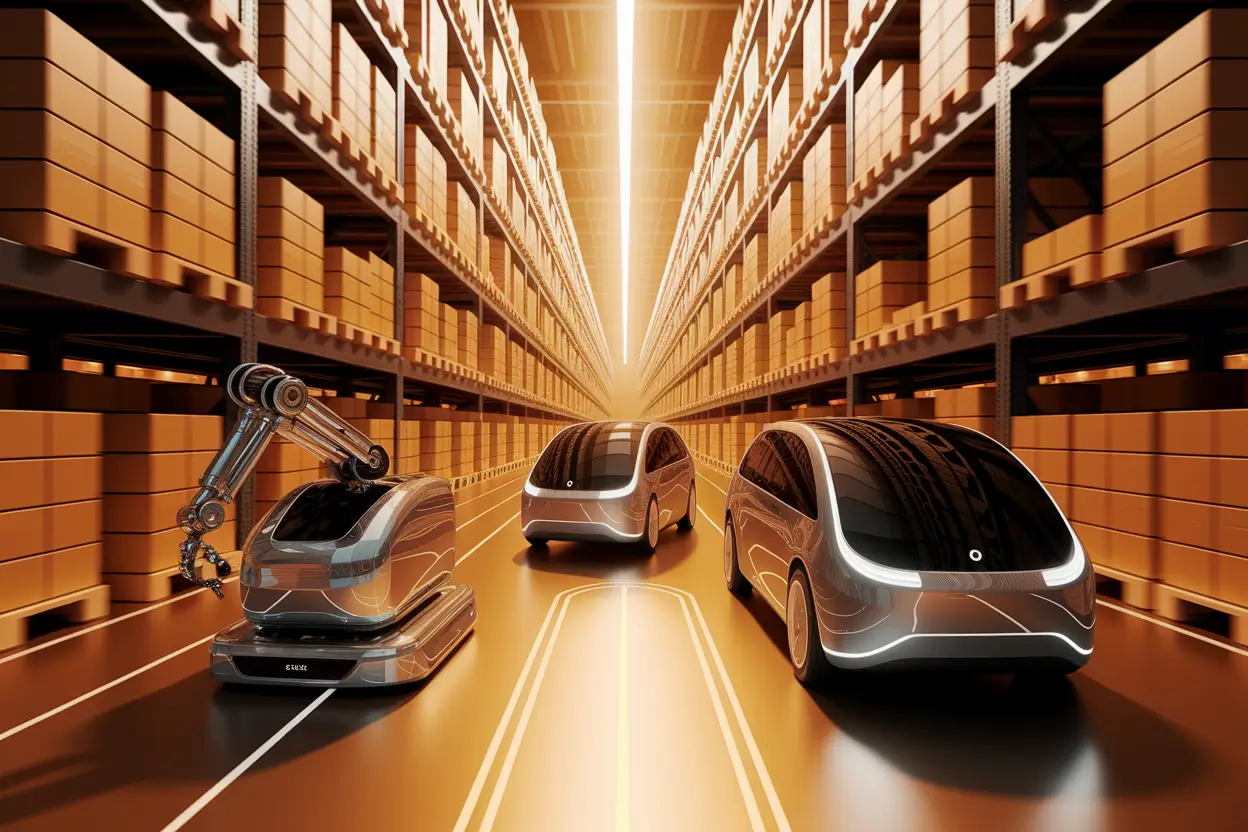
The Impact of AI in Ecommerce Delivery is transforming how businesses handle logistics, customer experience, and operational efficiency. Artificial Intelligence (AI) has rapidly become a cornerstone in modern ecommerce operations, reshaping how goods are transported from warehouses to customers’ doorsteps. From autonomous delivery vehicles to predictive analytics, AI-driven systems are helping ecommerce companies minimize costs, enhance speed, and offer real-time transparency to consumers.
As ecommerce continues to expand, customer expectations for faster, cheaper, and more accurate deliveries have risen dramatically. AI enables businesses to meet these demands through intelligent automation, machine learning models, and real-time data processing. By making delivery routes smarter, optimizing inventory storage, and forecasting demand, AI in ecommerce delivery ensures that operations are both profitable and sustainable.
The Impact of AI in Ecommerce Delivery: Overview
The concept refers to integrating artificial intelligence technologies into the ecommerce logistics chain to improve operational performance. AI plays a vital role in the processes of order management, route optimization, warehouse automation, and post-purchase engagement. This integration provides retailers with the ability to predict consumer behavior, automate repetitive tasks, and make faster, data-based decisions.
AI systems collect data from customer orders, GPS trackers, warehouse sensors, and social media activity. This data is then processed through algorithms that detect patterns and generate insights. As a result, ecommerce companies can fine-tune their delivery networks, reduce human error, and ensure a seamless consumer experience.
How The Impact of AI in Ecommerce Delivery Works
AI technologies in ecommerce delivery work by combining various intelligent systems that interpret real-time data and make autonomous or semi-autonomous decisions. For example, machine learning models can identify the most efficient delivery route based on traffic conditions, weather, and package volume. Similarly, AI-assisted warehouse robots can organize products more efficiently than human workers.
The major technologies used include natural language processing (for chatbots and customer service), computer vision (for identifying packages), and predictive analytics (for demand forecasting). These technologies help ecommerce platforms minimize delays and reduce delivery costs.
Core Concepts Behind The Impact of AI in Ecommerce Delivery
- Machine Learning: Enables systems to learn delivery patterns and improve over time without manual programming.
- Predictive Analytics: Uses historical data to anticipate order peaks and plan inventory or delivery staff accordingly.
- Computer Vision: Utilized in scanning products, identifying packages, and ensuring quality control.
- Automation: Involves robotic process automation (RPA) to streamline repetitive tasks in logistics and dispatching.
Pros of The Impact of AI in Ecommerce Delivery
- Increases operational efficiency and speed.
- Reduces human error through data-driven insights.
- Enables real-time tracking and transparency for customers.
- Improves sustainability through route optimization and reduced fuel consumption.
- Enhances customer loyalty by ensuring reliable deliveries.
Cons of The Impact of AI in Ecommerce Delivery
- High initial cost of technology integration.
- Requires skilled staff to operate and maintain AI systems.
- Potential data privacy challenges when collecting personal information.
- Dependence on connectivity and digital infrastructure.
Use Cases of The Impact of AI in Ecommerce Delivery
- Predictive Shipping: AI predicts what products consumers are likely to purchase and pre-ships them closer to their location.
- Smart Routing: AI determines the most efficient paths for deliveries based on traffic data and live updates.
- Personalized Delivery Options: Systems recommend delivery windows based on users’ previous preferences.
- Returns Management: AI identifies common return reasons and suggests process improvements.
Real-World Examples of The Impact of AI in Ecommerce Delivery
Major ecommerce companies are leading the charge in AI adoption. Amazon uses AI-powered robots in its warehouses for picking and packing, while also employing machine learning for dynamic delivery optimization. FedEx leverages AI predictive maintenance tools to ensure vehicle reliability. Similarly, Alibaba utilizes AI algorithms for route optimization across complex delivery networks.
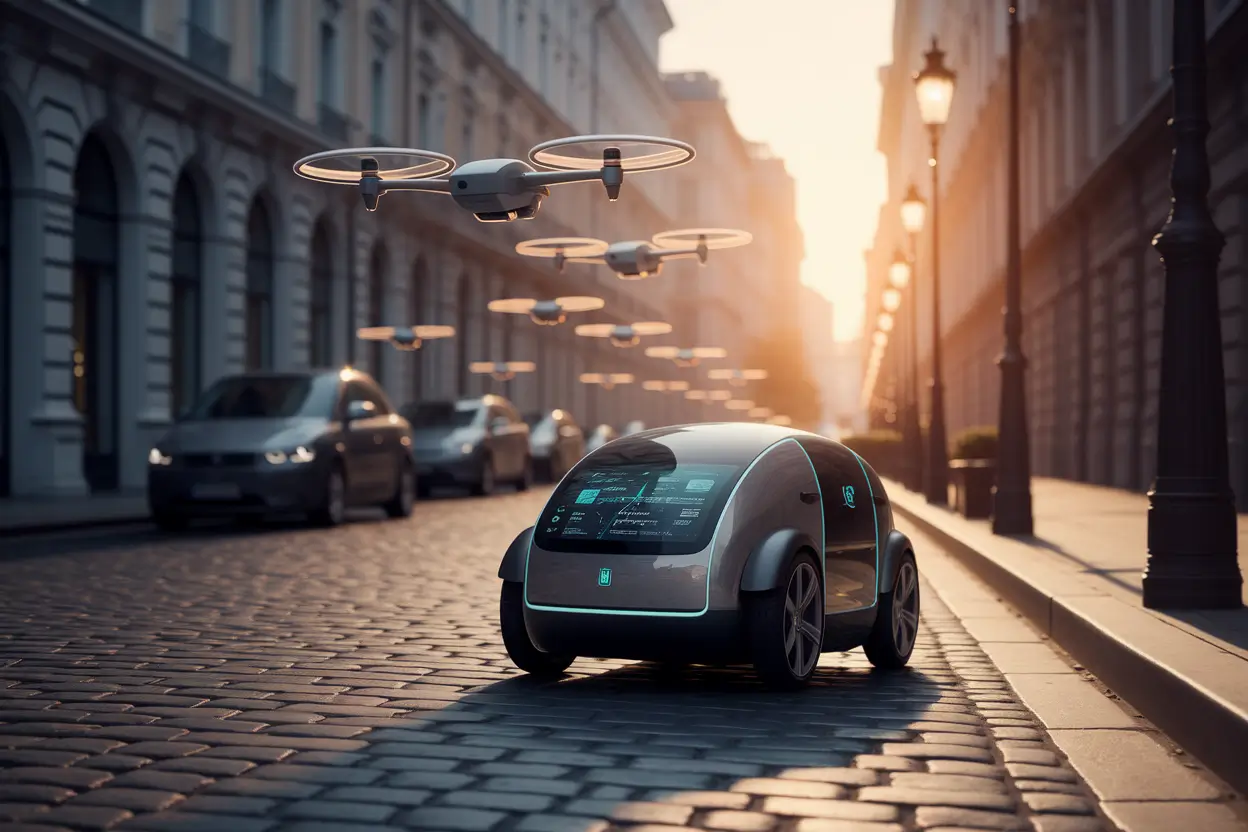
Startups such as Starship Technologies and Nuro are experimenting with fully autonomous delivery robots in urban settings. These vehicles navigate sidewalks or streets using computer vision and real-time mapping data, offering a glimpse into the near-future of ecommerce logistics.
Latest Trends in The Impact of AI in Ecommerce Delivery
- AI-Powered Drones: Drone deliveries are growing in pilot use cases, particularly for small parcels in remote areas.
- Predictive Maintenance: AI systems monitor vehicle health and schedule proactive servicing.
- Voice Commerce Integration: Combining delivery services with voice assistants to track or update orders.
- AI Sustainability Focus: Implementing AI to minimize emissions and choose eco-friendly routes.
Technical Suggestions for Implementing AI in Ecommerce Delivery
To integrate AI effectively, ecommerce organizations should begin with proper data infrastructure. Implementing IoT sensors in vehicles and warehouses provides accurate inputs for AI systems. Using APIs ensures different systems like warehouse management (WMS) and transport management (TMS) interact cohesively. Adopting cloud-based AI analytics platforms also boosts scalability.
Below is an example of how an AI model can be integrated with a delivery route optimization framework:
Example Setup:
Step 1: Collect order and route data from your fulfillment center.
Step 2: Train a machine learning model using supervised learning based on delivery times and external parameters like weather and holidays.
Step 3: Deploy the trained model through an API to provide route suggestions in real time.
Comparison of The Impact of AI in Ecommerce Delivery with Traditional Methods
| Aspect | AI-Driven Delivery | Traditional Delivery |
|---|---|---|
| Route Optimization | Automated and adaptive | Manual and static |
| Cost Efficiency | Lower operational costs | High due to inefficiency |
| Speed | Real-time decision making | Slower and fixed planning |
| Customer Tracking | AI chatbots and predictive updates | Limited tracking notifications |
| Scalability | Easily scalable with software | Limited by staff availability |
Future Outlook for The Impact of AI in Ecommerce Delivery
The future of AI in ecommerce delivery is extremely promising. With 5G connectivity, intelligent edge computing, and sensor technologies progressing rapidly, we will likely see more autonomous systems and greater real-time decision capabilities. The use of generative AI could also predict customer preferences more precisely, ensuring warehouses stock exactly what will be needed.
In the next decade, AI may enable fully self-operating supply chains that communicate seamlessly between retailers, warehouses, and couriers. Sustainability will also remain a strong focus area, with AI selecting optimal packaging and suggesting greener routes to lower emissions.
Challenges in Scaling The Impact of AI in Ecommerce Delivery
Despite its potential, there are challenges. Data inconsistency across delivery networks can reduce predictive accuracy. Integration between legacy systems and modern AI solutions can be time-consuming. Moreover, small ecommerce businesses may face difficulties due to the cost of AI adoption and maintenance.
To overcome these, collaboration with logistics technology partners and phased implementation strategies can be effective. Cloud-based AI solutions also allow smaller players to adopt these technologies affordably.
Security and Privacy in The Impact of AI in Ecommerce Delivery
Protection of user data is crucial. AI systems must comply with data privacy standards and secure sensitive delivery data against breaches. Encryption of transmitted data and anonymization of customer records are essential for maintaining trust and regulatory compliance.
Corporate transparency regarding how AI algorithms make decisions can further prevent bias and ensure ethical use of technology in delivery processes.
Case Study: Implementing The Impact of AI in Ecommerce Delivery
One mid-sized retailer implemented AI-powered route optimization to manage deliveries across five cities. Within three months, it reported a 25% reduction in fuel costs and 15% faster deliveries. The system adjusted routes dynamically during weather disruptions and provided drivers with live updates, improving reliability and customer satisfaction ratings.
Common Mistakes and Solutions in The Impact of AI in Ecommerce Delivery
- Mistake: Implementing too many AI systems at once. Solution: Start small and scale strategically.
- Mistake: Ignoring data quality. Solution: Clean and validate all data before using it for training AI models.
- Mistake: Underestimating user training. Solution: Educate logistics teams about working with AI recommendations.
Key Takeaways from The Impact of AI in Ecommerce Delivery
- AI enhances both performance and customer satisfaction in ecommerce logistics.
- Predictive analytics can reduce waste and overstocking.
- Autonomous systems reduce labor costs but require technical oversight.
- Transparency, data ethics, and system reliability are crucial for sustainable success.
FAQs on The Impact of AI in Ecommerce Delivery
How does AI improve ecommerce delivery speed?
AI improves delivery speed through route optimization, real-time traffic analysis, and intelligent scheduling of dispatches, allowing faster last-mile delivery.
Is AI affordable for small ecommerce businesses?
Yes, cloud-based AI services and SaaS tools have lowered barriers to entry, enabling small businesses to adopt AI without massive costs.
Will AI replace delivery personnel?
AI will likely complement human workers rather than replace them, automating repetitive tasks while humans handle complex decisions and customer interactions.
What technologies power AI in ecommerce?
Technologies include machine learning algorithms, IoT integration, robotic automation, and natural language processing for system communication.
What’s the future outlook for AI in ecommerce delivery?
Expect more automation, sustainability-focused systems, and smarter predictive analytics that anticipate demand and reduce inefficiencies across global networks.
Conclusion: The Impact of AI in Ecommerce Delivery in the Next Era
The impact of AI in ecommerce delivery represents a milestone in logistics evolution. As technology evolves, AI-driven automation, predictive routing, and customer engagement will redefine the way packages move around the world. Those who adapt early will lead in efficiency, sustainability, and satisfaction, paving the way for a new era of connected commerce.