

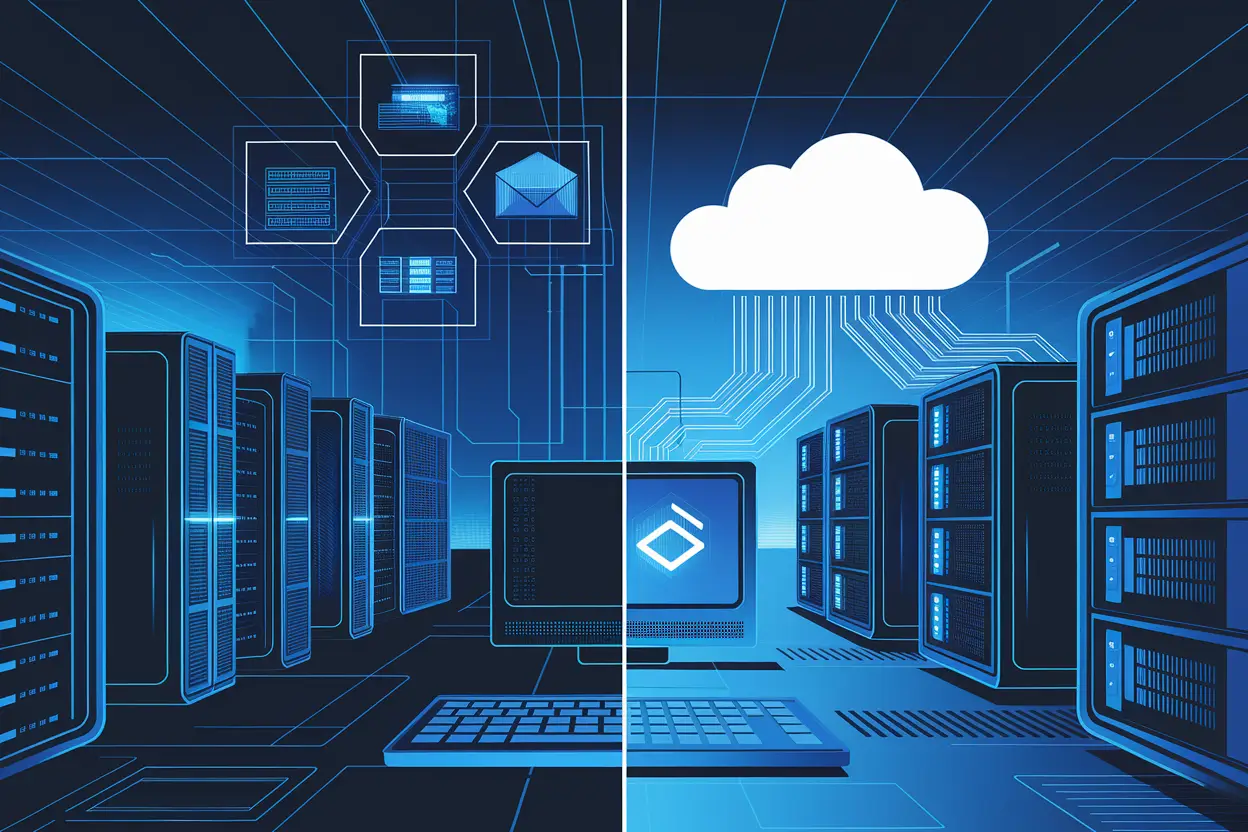
High Performance Computing Vs Cloud Computing is a subject that has gained immense attention in modern enterprise technology. As organizations increasingly rely on data-intensive applications, choosing between High Performance Computing (HPC) and Cloud Computing becomes a strategic decision. In this guide, we will explore what each technology means, how they work, their pros and cons, use cases, real-world examples, technical setups, and future trends. Understanding these differences helps IT leaders, engineers, and decision-makers make smart investments in computational infrastructure for better scalability, performance, and cost efficiency.
Understanding High Performance Computing Vs Cloud Computing
High Performance Computing Vs Cloud Computing refers to comparing two powerful computational models designed for processing large, complex datasets and performing intensive calculations. HPC clusters are typically on-premises or purpose-built systems, combining thousands of processors to solve scientific, engineering, or business problems. Cloud Computing, meanwhile, provides scalable, on-demand access to computing resources hosted externally by cloud service providers.
How High Performance Computing Works in Comparison to Cloud Computing
High Performance Computing operates through tightly coupled parallel computing environments. It uses distributed systems where multiple nodes work together on a single task using a high-speed interconnect network. Cloud Computing works differently, leveraging virtualized hardware, often in a loosely coupled environment, that can be provisioned and scaled automatically through web interfaces or APIs. While HPC requires direct networking between nodes for speed, Cloud Computing excels at flexibility and service-based scalability, reducing the need for physical hardware maintenance.
Core Components of High Performance Computing Vs Cloud Computing
In HPC systems, the key components include compute nodes, high-speed interconnects such as InfiniBand, and parallel file systems for fast data access. It relies heavily on optimized scheduling software like SLURM or PBS for workload distribution. Cloud Computing uses virtual machines or containerized environments managed through orchestration tools such as Kubernetes. Key cloud components include compute instances, storage, networking, and services for automation, analytics, and security management.
Advantages of High Performance Computing Vs Cloud Computing
- Performance: HPC delivers raw computation power and speed, ideal for simulations, modeling, and AI training.
- Scalability: Cloud computing provides on-demand provisioning of resources with pay-as-you-go pricing models.
- Customization: HPC allows fine-tuned configurations for specific domains, while the cloud supports broad accessibility via APIs.
- Maintenance: Cloud reduces infrastructure overhead through managed services, unlike HPC clusters that require high maintenance.
Disadvantages of High Performance Computing Vs Cloud Computing
- HPC requires substantial upfront capital and specialized personnel for setup and maintenance.
- Cloud Computing may introduce latency and data egress costs for massive workloads.
- HPC clusters can face hardware aging issues, while public cloud computing may raise cybersecurity or privacy concerns.
- Data transfer rates between cloud and on-premises systems can create performance bottlenecks for real-time HPC workloads.
Use Cases of High Performance Computing Vs Cloud Computing
High Performance Computing is widely used in scientific research, weather forecasting, oil and gas exploration, computational biology, and engineering simulations. Cloud Computing serves enterprises needing scalable IT infrastructure, SaaS applications, DevOps environments, and global collaboration systems. Increasingly, hybrid models are integrating both HPC and cloud for burst workloads and data analytics.
Real-World Examples of High Performance Computing Vs Cloud Computing
In the High Performance Computing category, top examples include supercomputers like Frontier and Fugaku, which deliver exceptionally high floating-point performance for advanced research. In contrast, major cloud providers such as AWS, Google Cloud, and Microsoft Azure offer HPC-as-a-Service capabilities. These services allow businesses to access HPC-level computation without deploying physical clusters.
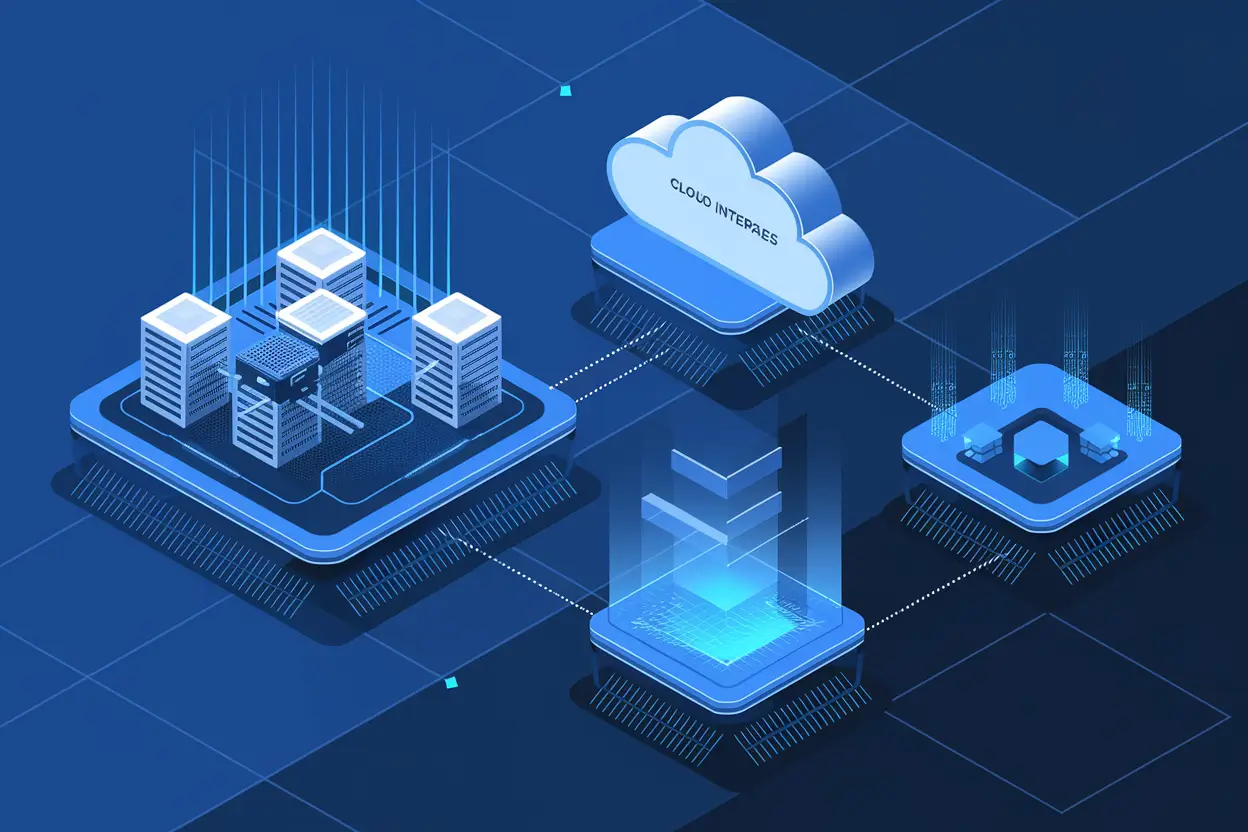
For example, pharmaceutical companies use cloud HPC environments for drug modeling, while automobile firms combine HPC clusters with cloud storage to simulate vehicle prototypes.
Technical Architecture Comparison of High Performance Computing Vs Cloud Computing
HPC architecture focuses on powerful CPU and GPU nodes connected via low-latency networks and parallel file systems. In contrast, Cloud Computing uses virtualized or containerized infrastructure spread across geographically distributed data centers. HPC scheduling depends on job queue systems like OpenPBS, whereas in the cloud, workload management is dynamic and resource-based. The deployment of HPC clusters often involves highly specialized networking topologies such as Fat Tree or Dragonfly networks, whereas cloud environments prioritize redundancy and multi-tenancy.
Sample Setup Example
To deploy an HPC workload on a cluster, users configure a scheduler script such as:
Example HPC Job Script:
#!/bin/bash
#SBATCH –nodes=4
#SBATCH –ntasks-per-node=32
module load mpi
mpirun ./simulation
In contrast, to run a similar workload using Cloud Computing, the same application could be containerized and deployed via Kubernetes:
Example Cloud Deployment Command:
kubectl apply -f hpc-job.yaml
Industries Benefiting from High Performance Computing Vs Cloud Computing
Research organizations benefit from HPC because it forms the computational backbone for simulations such as climate modeling, genomics sequencing, and quantum mechanics. Cloud Computing supports businesses focusing on web hosting, artificial intelligence, data warehousing, and collaborative software development. Financial institutions use HPC for risk analysis and algorithmic trading, while startups leverage the cloud for reduced time-to-market and elastic infrastructure management.
Performance and Cost Analysis of High Performance Computing Vs Cloud Computing
Performance in HPC systems is measured in FLOPS (floating-point operations per second), signifying raw computational throughput. Cloud Computing emphasizes elasticity and cost-efficiency, with pricing structured around resource consumption. Comparing costs, HPC may be less economical when idle but cheaper for dedicated, constant workloads. Cloud infrastructure minimizes capital expenditure but can become expensive for prolonged, high-scale simulations without careful resource optimization.
Security Considerations in High Performance Computing Vs Cloud Computing
Security in High Performance Computing involves physical control over hardware and secure communication channels. Data protection relies on custom-built firewalls and encryption standards. Cloud Computing introduces shared responsibility models where providers secure the infrastructure, but clients must secure their applications and data. Modern HPC deployments integrate with hybrid cloud architectures while maintaining compliance through identity management systems and network segmentation policies.
Hybrid Models Combining High Performance Computing Vs Cloud Computing
Hybrid architecture is increasingly common, combining the strengths of both HPC and cloud. Compute-intensive operations execute on HPC clusters, while storage and autoscaling capabilities are offloaded to the cloud. This hybrid integration allows scientific, engineering, and AI workloads to expand beyond on-premises limitations while maintaining cost predictability and operational flexibility.
Latest Trends in High Performance Computing Vs Cloud Computing
Among emerging trends, containerized HPC environments and AI-driven resource scheduling are gaining momentum. HPC workloads are increasingly moving to the cloud through specialized offerings such as HPC on AWS or Azure CycleCloud. Edge computing integration and GPU-accelerated cloud nodes are redefining performance boundaries. Energy-efficient architectures and green computing initiatives are influencing both HPC and cloud facilities towards sustainable operations.
Common Mistakes When Comparing High Performance Computing Vs Cloud Computing
- Underestimating data transfer costs in cloud-based HPC solutions.
- Assuming cloud configurations automatically match HPC-level performance.
- Failing to benchmark workloads for suitable environments before migration.
- Neglecting licensing and compliance impacts when migrating HPC software to cloud environments.
Technical Optimization Tips for High Performance Computing Vs Cloud Computing
- For HPC, optimize code for parallel processing and minimize I/O bottlenecks through distributed storage.
- For Cloud Computing, employ autoscaling strategies and select VM instances or containers optimized for GPU or CPU workloads.
- Use orchestration tools such as Terraform or Ansible to unify hybrid deployments.
Future Outlook of High Performance Computing Vs Cloud Computing
The future of High Performance Computing Vs Cloud Computing points towards integration. Artificial Intelligence, Machine Learning, and Big Data requirements are forcing the convergence of both architectures. Exascale computing, combined with cloud-based elasticity, may redefine computational science, enabling massive simulations without physical limitations. Sustainable data center operation and AI-enabled optimization will further drive efficiency and cost control.
High Performance Computing Vs Cloud Computing: Real-World Case Study
One example is in the aerospace sector, where simulation of airflow dynamics demands HPC-level computation. Traditionally, these workloads required large on-premises clusters. Now, hybrid setups link on-premises HPC with cloud services to accelerate parallel simulations. This approach reduces queue times and speeds innovation. Such examples demonstrate how HPC and cloud are complementing each other in today’s technology ecosystem.
Frequently Asked Questions About High Performance Computing Vs Cloud Computing
What is the key difference between High Performance Computing and Cloud Computing?
High Performance Computing offers powerful, parallelized on-premises resources for demanding numerical tasks, whereas Cloud Computing provides virtualized, on-demand resources accessible through the internet.
Can High Performance Computing be done in the cloud?
Yes, cloud providers now offer HPC-as-a-Service solutions, making it possible to run large-scale computational tasks in cloud environments without owning physical infrastructure.
Which is more cost-effective: High Performance Computing or Cloud Computing?
Cloud Computing is usually more cost-effective for temporary or fluctuating workloads, whereas HPC is better for sustained, high-volume computational needs where performance per dollar is critical.
Is HPC more secure than Cloud Computing?
HPC can be more secure for organizations that demand physical control of data. However, modern cloud platforms adhere to global security standards, making them equally reliable for compliant workloads.
What is the future trend for High Performance Computing Vs Cloud Computing?
The trend is convergence. Cloud-based HPC and hybrid systems are emerging as flexible, cost-efficient models combining raw performance and scalability in enterprise and research settings.
Conclusion: Balancing High Performance Computing Vs Cloud Computing
In summary, High Performance Computing Vs Cloud Computing represents two critical paradigms of modern data processing and computation. HPC continues to dominate in environments demanding deterministic speed and performance, while Cloud Computing offers unmatched scalability and cost flexibility. As hybrid solutions grow, the line between both continues to blur, empowering industries to adapt swiftly to computational demands and innovation challenges.