
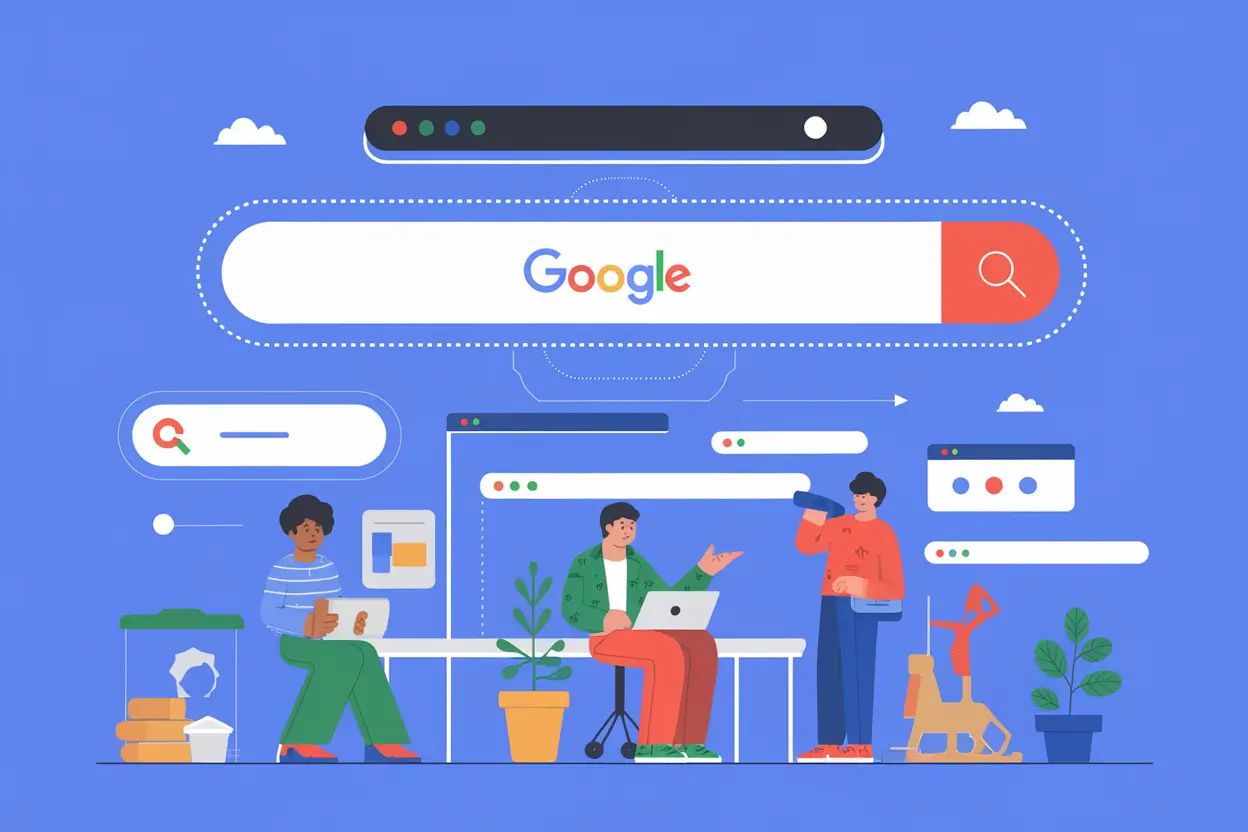
Google’s New Search Algorithm Update 2026 is the most transformative shift in search engine optimization since the introduction of BERT and RankBrain. This update leverages cutting-edge AI, semantic understanding, and behavioral signals to refine how search results are ranked. Understanding this evolution is critical for businesses, marketers, and content creators who aim to secure top positions on Google. This article explores what the 2026 update is, how it works, what it changes, and actionable steps you can take to adapt and rank #1 now.
Understanding Google’s New Search Algorithm Update 2026
The Google’s New Search Algorithm Update 2026 is designed to improve contextual comprehension of online content. It goes beyond keywords to understand intent, meaning, and user satisfaction. The 2026 update uses advanced natural language models and predictive behavior analysis, meaning it can anticipate user needs even before the query is fully typed.
Google focuses more heavily on user engagement metrics, including how long users stay on the page, how they navigate through links, and the relevance of shown results. Pages with high-quality content that aligns with user intent will benefit most. Understanding the algorithm’s direction is essential for long-term SEO success.
Core Principles Behind Google’s New Search Algorithm Update 2026
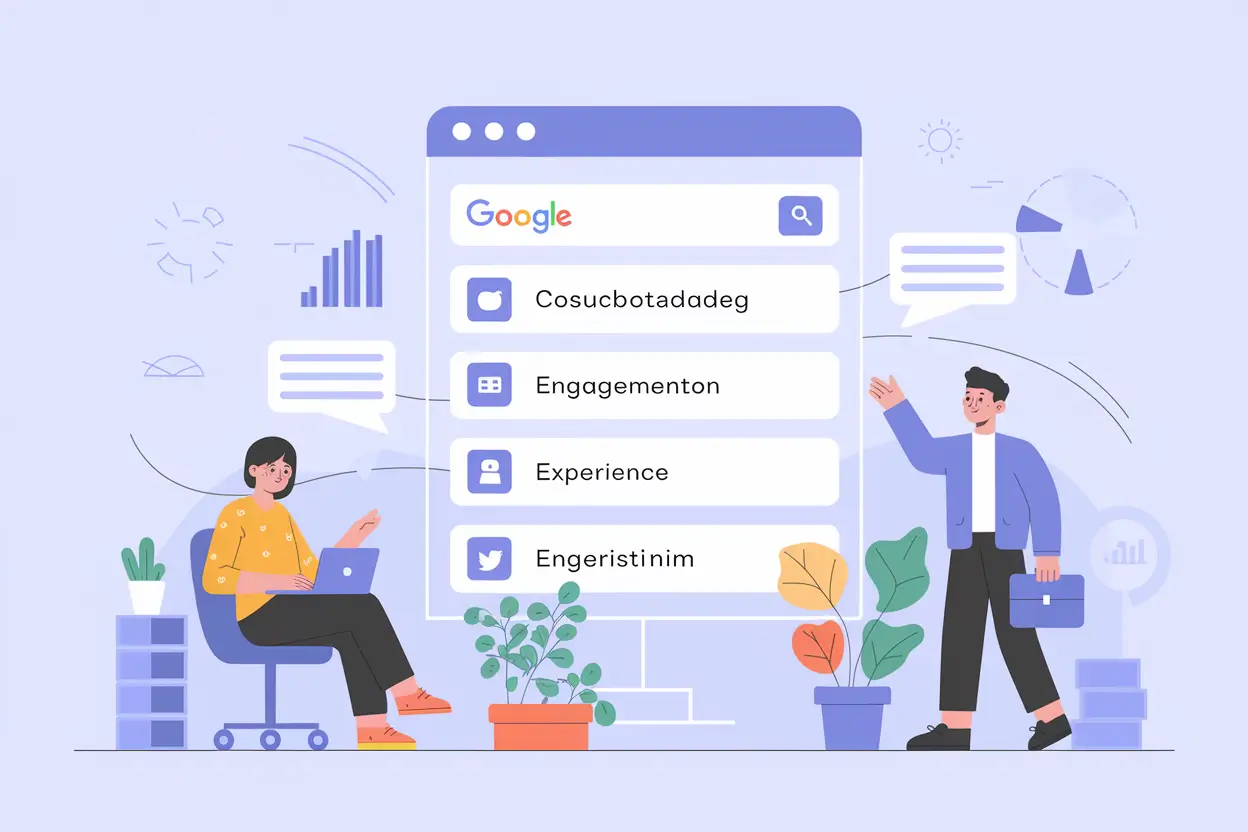
The core concepts governing the update revolve around the three E’s of Google’s modern SEO model: Experience, Expertise, and Engagement. Experience focuses on content authenticity, ensuring only accurate and valuable content performs well. Expertise ensures authoritative authors or credible brands are rewarded. Engagement measures how effectively content resonates with visitors. This update’s models assign higher weight to human readability, clarity, and interactivity rather than mechanical keyword insertion alone.
How Google’s New Search Algorithm Update 2026 Works
The Google’s New Search Algorithm Update 2026 uses a hybrid real-time indexing and AI-driven ranking system. Google now integrates contextual ranking signals dynamically, re-evaluating page quality continuously rather than at fixed intervals.
- AI Pattern Recognition: Deep neural networks analyze structure, sentiment, and query behavior patterns.
- Real-time Index Refresh: New content is analyzed faster, updating Google’s index dynamically.
- Click Journey Mapping: The algorithm maps a user’s journey across different search results to assess which sites truly satisfy intent.
- Semantic Context Networks: The update interprets cluster topics rather than single keywords.
This means ranking depends heavily on how semantically related your topics are across the entire website architecture.
Benefits of the Google’s New Search Algorithm Update 2026
The enhancements are designed to make search results more trustworthy and helpful. Benefits include improved relevance, more visibility for high-quality creators, and less manipulation by low-quality, keyword-stuffed sites. Users experience fewer spammy listings and get more accurate answers. For site owners, aligning content with human-friendly readability and clear intent creates opportunities to grow organic traffic sustainably over time.
- Reward for authentic voices and brands
- More accurate long-tail keyword matching
- Enhanced local intent ranking accuracy
- Better detection of positive user experiences
Drawbacks or Challenges of Google’s New Search Algorithm Update 2026
With all positive changes, challenges exist. Some legitimate small sites may temporarily lose rankings if their authority is low or they lack structured data. Constant content evaluation also means poor engagement metrics can result in quick ranking drops. Since Google analyzes content freshness, outdated or thin content is de-prioritized faster than ever. This creates a dynamic SEO environment requiring continuous optimization efforts.
Key Ranking Factors After Google’s New Search Algorithm Update 2026
In this era, the primary ranking factors are categorized as follows:
- Experience Quality Signals: UX design, mobile experience, and page speed.
- Expertise Signals: Author credentials, factual depth, and structured data use.
- Relevancy and Context: How well your topic answers user intent semantically.
- Behavioral Metrics: CTR, scroll depth, dwell time, and repeat visit rate.
Pages optimized around strong contextual intent consistently outperform those with keyword-heavy content lacking real insight.
Technical SEO Adjustments for Google’s New Search Algorithm Update 2026
Optimization requires both technical and content strategies. Technically, you must ensure structured markup accuracy, schema integration, and full mobile responsiveness.
Technical suggestions:
- Implement schema.org’s updated Entity and Experience schemas.
- Prioritize Core Web Vitals, ensuring fast LCP and minimal CLS.
- Adopt edge-based content delivery networks for speed optimization.
- Secure HTTPS and accessibility compliance.
Here’s an example snippet for implementing an Organization schema:
Code Example:
{
“@context”: “https://schema.org”,
“@type”: “Organization”,
“name”: “Example Company”,
“url”: “https://example.com”,
“logo”: “https://example.com/logo.png”
}
Google evaluates schema validity as part of authenticity scoring, making it critical for SEO alignment.
Content Optimization Strategy for Google’s New Search Algorithm Update 2026
Content optimization under this update emphasizes conversational flow and multidimensional relevance. Ensure paragraphs answer sub-intents within each topic. Use question-based headings matching how users might verbally query Google. Long-form, in-depth content that addresses multiple stages of user awareness ranks more consistently.
Integrate multimedia support — images, videos, and interactive blocks — to improve engagement metrics and dwell time. Visual aids like infographics often drive increased time-on-page ratings.
Real-World Examples of Google’s New Search Algorithm Update 2026 Impact
Several major platforms observed shifts in ranking behavior. For instance, large news publications with structured content climbed higher due to schema usage. Conversely, blogs relying on exact-match keywords saw performance declines. For eCommerce, sites with optimized user journeys—clear product information, reviews, and mobile checkout speed—experienced ranking surges.
A mid-size technology blog reported a 45% organic traffic growth after aligning content with entity-based SEO, re-writing articles to emphasize semantic depth. Another small local business saw 60% increase in impressions after optimizing local business schema and updating review sections.
Comparing Google’s New Search Algorithm Update 2026 with Previous Updates
Previous algorithms such as RankBrain, BERT, and MUM each focused on AI and understanding user intent. However, Google’s New Search Algorithm Update 2026 combines these into an integrated model. RankBrain pioneered behavioral interpretation, BERT emphasized contextual semantics, and MUM improved multimodal search understanding. The 2026 update merges all into one unified intelligence that evaluates experience quality continuously.
| Feature | Previous Updates | 2026 Update |
|---|---|---|
| Speed | Batch indexing | Continuous real-time indexing |
| AI Layer | Rule-based and NLP | Deep predictive AI |
| Ranking Factor Sensitivity | Moderate | Highly dynamic |
| Content Understanding | Semantic | Behavioral + Semantic Hybrid |
Latest Trends Inspired by Google’s New Search Algorithm Update 2026
Trends emerging include conversational SERPs, smart snippets, and emotion-based ranking adjustments. Voice search optimization is now essential, as Google increasingly interprets spoken queries. Long-form educational content combined with AI-personalized experiences is becoming dominant. Additionally, E-E-A-T (Experience, Expertise, Authority, Trust) is at the core of every algorithm refinement.
Best Practices for Adapting to Google’s New Search Algorithm Update 2026
Adapting effectively includes consistent auditing, topic mapping, and engagement improvement strategies. Focus on:
- Producing interactive content answering the ‘how’ and ‘why’ of user questions
- Building topical clusters to demonstrate depth
- Maintaining internal linking structures that show clear relationships
- Measuring CTR and adjusting meta titles accordingly
SEO in 2026 is about continuous learning and adapting to algorithmic evolution rather than one-time setup.
Use Cases of Google’s New Search Algorithm Update 2026 in Different Industries
In the healthcare sector, readability and accuracy became ranking priorities. Blogs presenting evidence-based medical information performed better. In finance, transparent data sources and expert credentials enhanced trust signals. For local businesses, proximity combined with engagement (reviews, map clicks, voice inquiries) created new ranking opportunities.
For eCommerce, dynamic content updates and visual search optimization are crucial. Retailers who implemented AR product previews achieved higher interaction rates and better positions under new behavior-centric ranking rules.
Action Plan: Ranking #1 After Google’s New Search Algorithm Update 2026
To position your website for top rankings:
- Audit existing content: Identify thin, duplicate, or low-engagement posts
- Enhance semantic depth through structured headers
- Integrate factual evidence and experience-based writing
- Improve multimedia interactivity
- Monitor behavioral metrics monthly
Follow this regular process to ensure your site maintains visibility as the algorithm evolves continuously.
Common Mistakes to Avoid Under Google’s New Search Algorithm Update 2026
Common errors include neglecting schema markup, ignoring user intent, over-optimizing headlines, or relying solely on backlinks without ensuring readable structure. Misaligned content that tries to trick AI through repetitive phrasing will lead to penalties. Also, inconsistent posting schedules reduce trust evaluation scores under this new real-time ranking model.
Frequently Asked Questions on Google’s New Search Algorithm Update 2026
What is the main focus of Google’s New Search Algorithm Update 2026?
The focus is on experience quality, behavioral metrics, and contextual intent understanding, making content authenticity critical.
How can small websites adapt?
By focusing on niche authority, implementing schema, and optimizing for clarity and intent-over keywords.
Does AI-generated content rank under the 2026 update?
Yes, if it offers authentic value, factual depth, and thorough editing to ensure human readability.
How often does Google refresh rankings now?
Re-evaluation occurs continuously through dynamic indexing rather than periodic core updates.
Is backlinking still important?
Yes, but the emphasis has shifted toward link context, diversity, and relevance rather than quantity.
Future Outlook of Google’s New Search Algorithm Update 2026
Looking ahead, Google will likely integrate more generative search components powered by AI models. Personalization will deepen, resulting in unique SERP experiences for each user based on their past behavior, preferences, and device context. Future SEO will rely less on broad keyword optimization and more on holistic content ecosystems supported by behavior analytics and trust-building structures.
Conclusion: Mastering Google’s New Search Algorithm Update 2026 for Long-Term Success
Understanding Google’s New Search Algorithm Update 2026 gives brands a powerful edge. It rewards genuine expertise, enhancing the visibility of authentic, user-focused content. Businesses adapting swiftly with strong technical foundations, structured semantics, and engagement-driven storytelling will retain a lasting competitive advantage. The future of SEO under this system will favor adaptability, authority, and human-centered digital experiences over mechanical optimization efforts.