

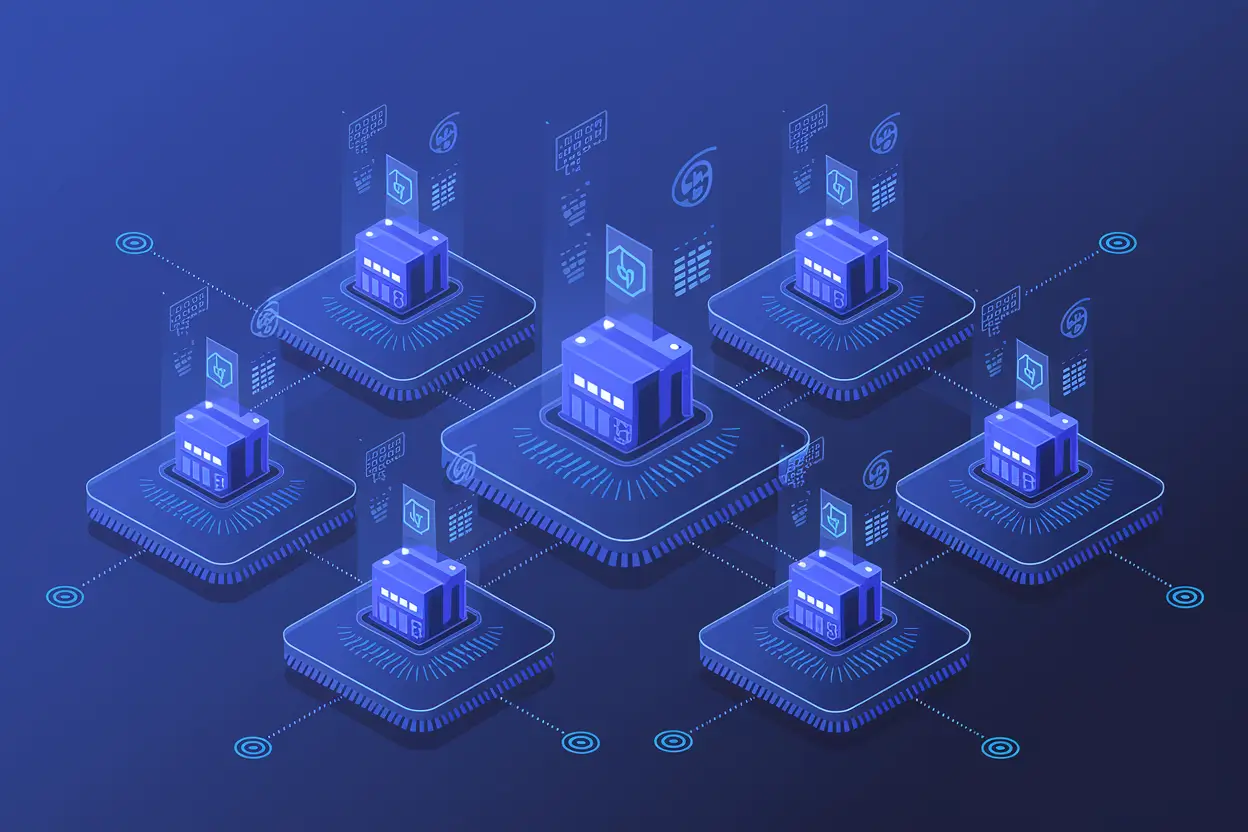
Blockchain in real estate app development is a groundbreaking movement that’s reshaping the way properties are bought, sold, and managed. With the rise of decentralized technologies, real estate is undergoing a significant digital overhaul, driven by the core strengths of blockchain—transparency, trust, security, and automation. For developers, investors, and property managers, understanding this paradigm shift is no longer optional—it’s essential.
Blockchain in Real Estate App Development: Understanding the Basics
Blockchain in real estate app development introduces a decentralized digital ledger that records information across a peer-to-peer network. This digital notebook is immutable, meaning once data is stored, it can’t be modified without consensus. This feature drastically reduces fraud, human error, and manipulation of data, making it ideal for industries like real estate that thrive on trust and data integrity.
Why Blockchain in Real Estate App Development Matters
Real estate transactions are traditionally paper-based, slow-moving, and depend heavily on intermediaries such as brokers, title companies, and banks. The introduction of blockchain in real estate app development streamlines the process by providing:
- Real-time access to shared data
- Secure digital property records
- Faster transaction settlements via smart contracts
- Audit trails that enhance accountability
Core Concepts of Blockchain in Real Estate App Development
Decentralization
With blockchain, no single party controls the data. It’s distributed among all network participants, limiting the chance of manipulation and ensuring all actors access the same transparent information.
Transparency
Any changes or transactions are logged chronologically and visible to authorized participants, improving trust across the ecosystem—from buyers to sellers and agents.
Immutability
Once data is written to a blockchain, it cannot be changed retroactively. This feature is critical in maintaining the legitimacy of real estate records and transaction histories.
Smart Contracts
These are self-executing contracts with terms directly embedded in code. Smart contracts assist in implementing automated workflows such as title transfers, escrow releases, and rental agreements.
Benefits of Blockchain in Real Estate App Development
- Enhanced Security: Secure, cryptographic encryption prevents unauthorized access.
- Transparent Dealings: All parties see the same data in real time.
- Reduced Transaction Time: Eliminates manual paperwork and waiting periods.
- Lower Transaction Costs: Fewer intermediaries mean less cost.
- Fractional Ownership: Properties can be tokenized to allow multiple owners to share rights digitally.

Key Use Cases of Blockchain in Real Estate App Development
Practical application of blockchain in real estate app development includes:
- Property Sales: Platforms like Propy use blockchain for secure and seamless property sale processes.
- Title & Deed Management: Companies like Ubitquity provide tamper-proof title systems.
- Tokenized Investment: Platforms like Reental enable users to invest in property fractions using blockchain tokens.
- Virtual Real Estate: Metaverses like Decentraland use blockchain to sell and track digital land ownership.
Blockchain in Real Estate App Development vs Traditional Methods
| Feature | Blockchain-Based | Traditional |
|---|---|---|
| Data Integrity | Immutable and decentralized | Subject to forgery and human errors |
| Speed | Instant or near real-time | Several days to weeks |
| Security | High with cryptography | Moderate; relies on secure databases |
| Intermediaries | Minimized | Mandatory |
| Cost | Reduced | High fees for multiple services |
Challenges in Blockchain in Real Estate App Development
Adopting blockchain poses specific challenges:
- Regulatory Hurdles: Property laws vary drastically by nation and state.
- Integration Complexity: Legacy systems may resist change.
- Scalability: Public blockchain networks often face speed limitations as they scale.
Future Trends Shaping Blockchain in Real Estate App Development
The space is buzzing with innovations such as:
- dApps: Growth in decentralized applications focused solely on real estate interactions.
- AI + Blockchain: Predictive property analytics combining machine learning and decentralized data.
- IoT Integration: Smart devices gathering real-time data about property conditions stored securely on the blockchain.
- NFTs for Real Estate: NFTs are becoming new forms of digital deeds for unique property identification.
How Developers Should Approach Blockchain in Real Estate App Development
Technical foundations related to app creation using blockchain require:
Platform Selection
Options such as Ethereum, Solana, or Hyperledger may be used based on needs like smart contract complexity and transaction volume.
Smart Contract Development
Security-first coding is essential to prevent vulnerabilities in financial transactions and legal documentation.
Data Protection Policies
Developers must tread a fine line between blockchain’s transparent nature and keeping sensitive user details private through encryption and access controls.
Layer 2 Scalability
Solutions like Optimism and Polygon augment the base blockchain to handle larger transaction volumes effectively.
Legal and Regulatory Landscape Around Blockchain in Real Estate App Development
Different regions impose varying degrees of legal challenges. Developers must consider:
- Property law definitions
- Digital signature recognition
- Securities laws for tokenized real estate
- Cross-border transaction governance
Blockchain in Real Estate App Development for Property Management
Streamlining maintenance requests, rent collection, lease tracking, and document storage is another powerful use case. Smart contracts could auto-renew leases or escalate maintenance requests based on IoT sensor data.
Blockchain in Real Estate App Development for Real Estate Agents
Agents can operate on a global scale with blockchain-based verification of identities, property histories, and client credentials. It opens pathways to automate tasks such as scheduling, commission handling, and service reviews.
Tips for Successful Blockchain in Real Estate App Development
- Start with a minimum viable product to test user acceptance
- Engage legal advisors early in token and contract development
- Focus on UX—blockchain often introduces complexity; simplify onboarding
- Optimize smart contracts for upgradability and auditability
Real-World Case Study: Propy
Propy enables buyers and sellers to transact properties via smart contracts across different jurisdictions. In 2021, a property in Florida was sold for cryptocurrency using Propy’s blockchain-based platform, setting a precedent in digital real estate transactions.
Real-World Example: Reental and Fractional Ownership
Reental is leveraging blockchain to offer tokenized real estate investments. Investors can purchase fractional shares in rental properties and receive returns via smart contracts, eliminating the need to own an entire property.
Conclusion: Blockchain in Real Estate App Development is the Future
Blockchain in real estate app development is not a distant concept—it’s already transforming the property ecosystem. As legal systems evolve and the technology matures, real estate apps built with blockchain will outpace traditional platforms in efficiency, trust, and accessibility.
FAQs: Blockchain in Real Estate App Development
What is blockchain in real estate app development?
It refers to using decentralized blockchain technology to build faster, more transparent, and secure real estate software solutions.
How are smart contracts used in real estate apps?
They automate processes like title transfers, rent payments, and escrow services by digitally executing predetermined terms.
What are some companies implementing blockchain in this space?
Propy, Ubitquity, and Reental are among the front-runners utilizing blockchain for various real estate applications.
Is tokenized real estate legal?
While tokenized property investment is gaining traction, legality depends on regional securities and property laws.
Is blockchain better than traditional database systems for real estate?
Yes. Blockchain offers higher transparency, immutability, and automation potential.