

Blockchain Identity Management is ushering in a new era of digital identity verification. With escalating concerns surrounding data privacy, identity theft, and centralized data breaches, a decentralized approach offers a powerful solution. Blockchain introduces a tamper-proof method by handing control of digital identities back to the users, greatly enhancing both privacy and security.
Introduction to Blockchain Identity Management
Blockchain Identity Management provides a decentralized and transparent framework for identity authentication and authorization. Unlike traditional methods relying on central servers and trust authorities, blockchain distributes responsibility, removing the need for middlemen. This radical approach ensures that identities are verifiable, secure, and remain in the user’s control.
How Blockchain Identity Management Works
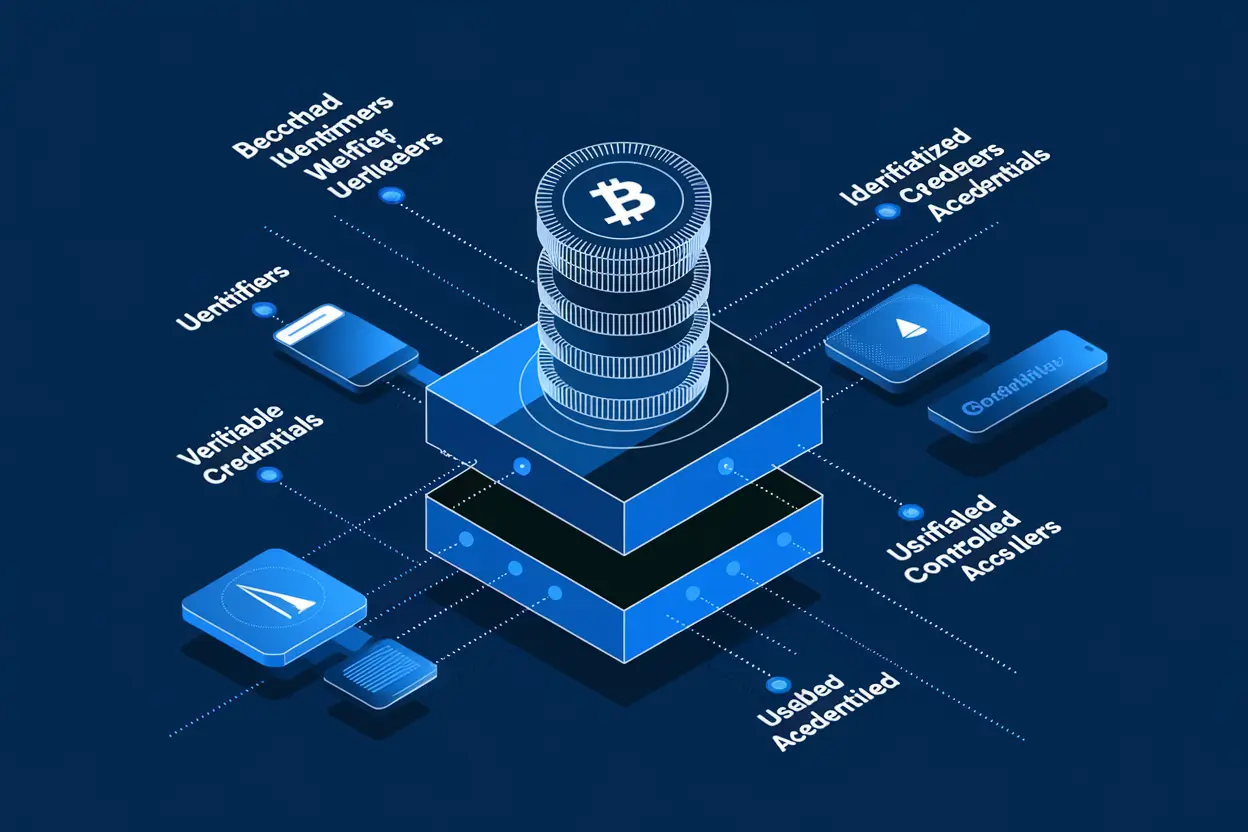
The fundamental structure involves Decentralized Identifiers (DIDs) and Verifiable Credentials (VCs). When a user creates a digital identity, a unique DID is generated and anchored to a blockchain. Any verifiable credential (e.g., a university diploma or driver’s license) issued to this DID can later be shared selectively. The service provider then verifies these credentials on the blockchain without storing or viewing the user’s sensitive data.
Core Components of Blockchain Identity Management
Decentralized Identifiers (DIDs)
DIDs are globally unique and resolvable identifiers managed without a central authority. These allow users to identify themselves across various platforms while maintaining privacy and control.
Verifiable Credentials (VCs)
VCs are digital versions of physical credentials, cryptographically signed by an issuing authority. While holders retain full access to their data, they can also share selective credentials with verifiers securely.
Self-Sovereign Identity (SSI)
SSI represents an identity philosophy where individuals are the sole owners of their digital identities. Users decide what information to share, with whom, and for how long — without relying on third-party platforms.
Benefits of Blockchain Identity Management
- Enhanced Privacy: Only necessary credentials are shared with verifiers, ensuring protection against data overexposure.
- Improved Security: Since there’s no central point of failure, the system is resistant to large-scale data breaches.
- Interoperability: Being based on global standards, blockchain identity solutions work seamlessly across different platforms and geographies.
Challenges of Blockchain Identity Management
- Scalability: Public blockchains may face transaction bottlenecks, especially as user bases grow.
- Regulatory Compliance: Laws governing data ownership and privacy vary globally, complicating mainstream implementation.
- User Behavior: New models demand a shift in mindset from end users, introducing a learning curve and potential resistance.
Popular Use Cases of Blockchain Identity Management
Banking and Financial Services
Banks can streamline Know Your Customer (KYC) processes, minimizing manual data collection, lowering fraud, and fast-tracking account onboarding with blockchain-based identities.
Healthcare Applications
Patients can control access to their medical records, share them selectively with healthcare providers, and ensure compliance with privacy regulations like HIPAA.
Supply Chain and Logistics
Manufacturers and suppliers can verify the identification of key actors and validate product authenticity with blockchain identity verification, enhancing traceability and trust.
Real-World Examples of Blockchain Identity Management
China RealDID
A national-level decentralized identifier system implemented in December 2023 allows Chinese citizens to use blockchain DIDs alongside private keys for accessing government digital services. The model provides anonymity while preserving compliance with mandatory real-name verification laws.
1Kosmos
1Kosmos leverages a private, permissioned blockchain anchored by biometric security measures to offer secure and verified digital identities that protect personally identifiable information (PII).
Current Trends Shaping Blockchain Identity Management
Integration with Emerging 6G Networks
6G is being designed with decentralized identity at its core, seeking to achieve full user sovereignty by embedding identity verification at the network layer.
Use of NFTs in Digital Identity
Non-Fungible Tokens (NFTs) are under experimentation for identity representation. For instance, NFTs could house metadata that includes verified educational qualifications, certifications, and work experience securely on-chain.
Technical Guidelines for Blockchain Identity Management
- Follow W3C Standards: Use standardized DID and VC protocols for compatibility and sustainability.
- Smart Contract Automation: Deploy smart contracts to manage verification, revocation, and consent processes automatically.
Comparing Blockchain Identity Management with Alternatives
| Feature | Centralized Identities | Federated Identities | Blockchain Identities |
|---|---|---|---|
| Control | By service provider | By third-party providers | By individual users |
| Security Risk | High (single point of failure) | Moderate | Low (decentralized) |
| Scalability | High | High | Low to moderate |
The Future Outlook for Blockchain Identity Management
With the blockchain identity management market projected to surpass $11 billion by 2026, the future appears promising. Innovations in interoperability, scalability, and UX-friendly implementations are expected. National governments and enterprises will increasingly adopt decentralized solutions to meet demands for privacy, transparency, and user control.
Common Mistakes in Blockchain Identity Management
- Inadequate Education: Organizations must commit to user education to prevent mismanagement of private keys and DIDs.
- Ignoring Regulations: Non-compliance with GDPR, HIPAA, and local privacy laws can backfire legally.
- Overcomplex UI/UX: Simplified designs are necessary to achieve mass adoption.
Step-by-Step: Implementing Blockchain Identity Management
- Define Objectives: Determine why identity decentralization is needed in your organization.
- Choose a Blockchain Layer: Decide between public or permissioned blockchain depending on privacy needs.
- Deploy DID Method: Implement a DID method that complies with W3C.
- Issue Credentials: Collaborate with trusted authorities to issue Verifiable Credentials to users.
- Implement Verification Tools: Build or integrate decentralized validators to authenticate data instantly.
FAQs About Blockchain Identity Management
What is Blockchain Identity Management?
It’s a system that uses blockchain technology to manage digital identities, improving control, privacy, and trust among users and platforms.
How does it improve data security?
It eliminates centralized storage of identity information, reducing vulnerability to hacking and providing verifiable credentials that are tamper-proof.
Is Blockchain Identity Management GDPR-compliant?
Yes, when implemented correctly. It supports user consent, data minimization, and gives users control over their own information, aligning with GDPR principles.
Are blockchain identities permanent?
They can be made revocable and time-bound via smart contracts. Credentials can expire or be updated based on organizational policies.
What industries benefit most?
Finance, healthcare, e-governance, supply chain, and education are rapidly integrating blockchain identity management for efficient operations.
Conclusion: Embracing Blockchain Identity Management
Blockchain Identity Management is rapidly redefining the way digital identities are stored, shared, and verified. Highlighting benefits such as user sovereignty, unmatched privacy, and strong data security, it addresses the limitations of legacy identity systems. With increasing user awareness, regulatory endorsement, and enterprise adoption, blockchain-based identity frameworks are set to become the global standard for digital identity authentication.