

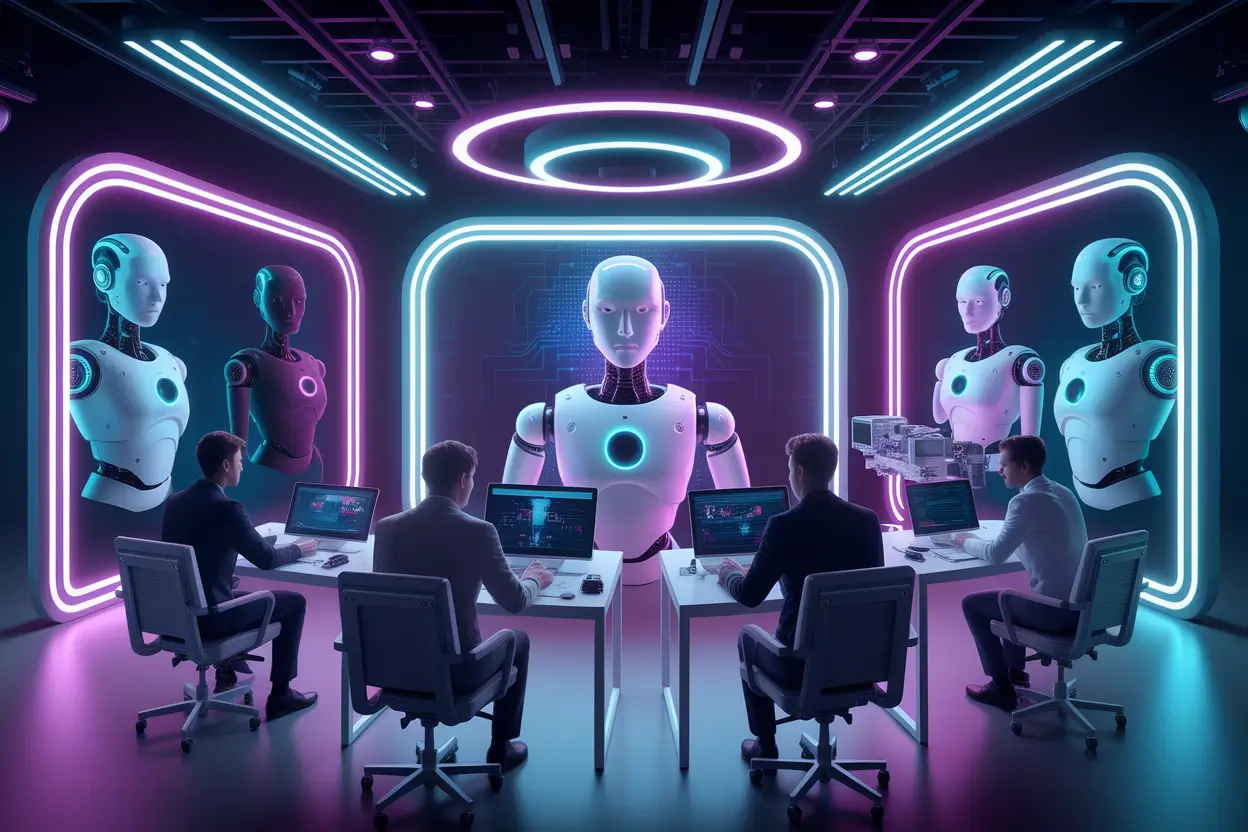
AI in Movies is redefining how films are written, produced, edited, and marketed across the global entertainment industry. Artificial intelligence has become a silent partner in Hollywood, helping filmmakers streamline production workflows, enhance visual effects, and even predict box office success. This evolution merges creativity with computation, offering filmmakers new capabilities to achieve cinematic excellence. In this detailed discussion, we’ll explore what AI in movies truly means, how it works, the tools behind it, the pros and cons, real-world case studies, and what the future holds for this powerful technological revolution.
Understanding AI in Movies
AI in movies refers to the use of machine learning and data-driven algorithms in different phases of film creation and distribution. This includes script analysis, casting suggestions, visual effects automation, editing optimization, and audience prediction modeling. By analyzing large datasets such as previous scripts, audience reactions, box office trends, and social media sentiment, AI tools can produce insights that guide creative and business decisions. These technologies are built upon foundations of neural networks, pattern recognition, and natural language processing.
How AI in Movies Works
At its core, AI in movies functions through data collection and algorithmic pattern learning. Machine learning models analyze scripts to detect plot structures and dialogues similar to successful films. Natural language processing helps AI understand emotional tone, pacing, and story arcs. In visual effects and animation, AI automates repetitive frame-by-frame tasks, allowing artists to focus on creativity rather than technical precision. Predictive analytics uses regression models to anticipate how well a film might perform based on comparable releases.
Core Concepts behind AI in Movies
Some essential concepts defining AI in movies are:
- Machine Learning: Algorithms learn from film data, predicting audience preferences and optimizing creative decision-making.
- Predictive Analytics: AI evaluates marketing performance and forecasts box office outcomes using historical data.
- Generative AI: Tools like GPT and DALL-E create dialogue, scenes, or visuals from creative prompts.
- Computer Vision: Identifies patterns in imagery, enhancing special effects and post-production automation.
- Deepfake Technology: Manipulates facial and voice data for visual continuity, de-ageing actors, or creating realistic stunt doubles.
Pros and Cons of AI in Movies
AI brings innovation but also challenges. Below are the advantages and disadvantages of adopting AI in movies:
Pros
- Faster production workflows and reduced manual labor.
- Automated editing and enhanced visual effects accuracy.
- Predictable marketing outcomes and personalization for audiences.
- Improved accessibility for low-budget filmmakers.
Cons
- Potential loss of creative spontaneity and originality.
- Ethical and legal concerns regarding likeness rights and intellectual property.
- Risk of bias in AI-driven casting or storytelling recommendations.
- Dependence on technology may diminish traditional filmmaking artistry.
Use Cases of AI in Movies
AI in movies is already transforming multiple aspects of the film pipeline:
- Scriptwriting: Tools like ScriptAI analyze tone and pacing to improve storytelling. AI can suggest plot points based on genre conventions.
- Casting: Algorithms match actors to roles by predicting chemistry and audience appeal.
- Video Editing: Platforms such as Adobe Sensei automatically adjust color grading, transitions, and shot synchronization.
- Visual Effects (VFX): AI enhances scene realism by reducing rendering time.
- Marketing and Distribution: Predictive models determine best release windows and tailor trailers to audience preferences.
Real-World Examples of AI in Movies
Examples of AI in movies include well-known studios using intelligent tools to optimize creativity. 20th Century Fox employed a system called Merlin to predict audience reactions to film trailers. IBM Watson collaborated with Universal Pictures to edit the trailer for the thriller Morgan. In Disney productions, AI-driven facial recognition enhances character rendering. Deepfake technologies have rejuvenated late actors or altered performances, such as in the Star Wars franchise.
Latest Trends in AI in Movies
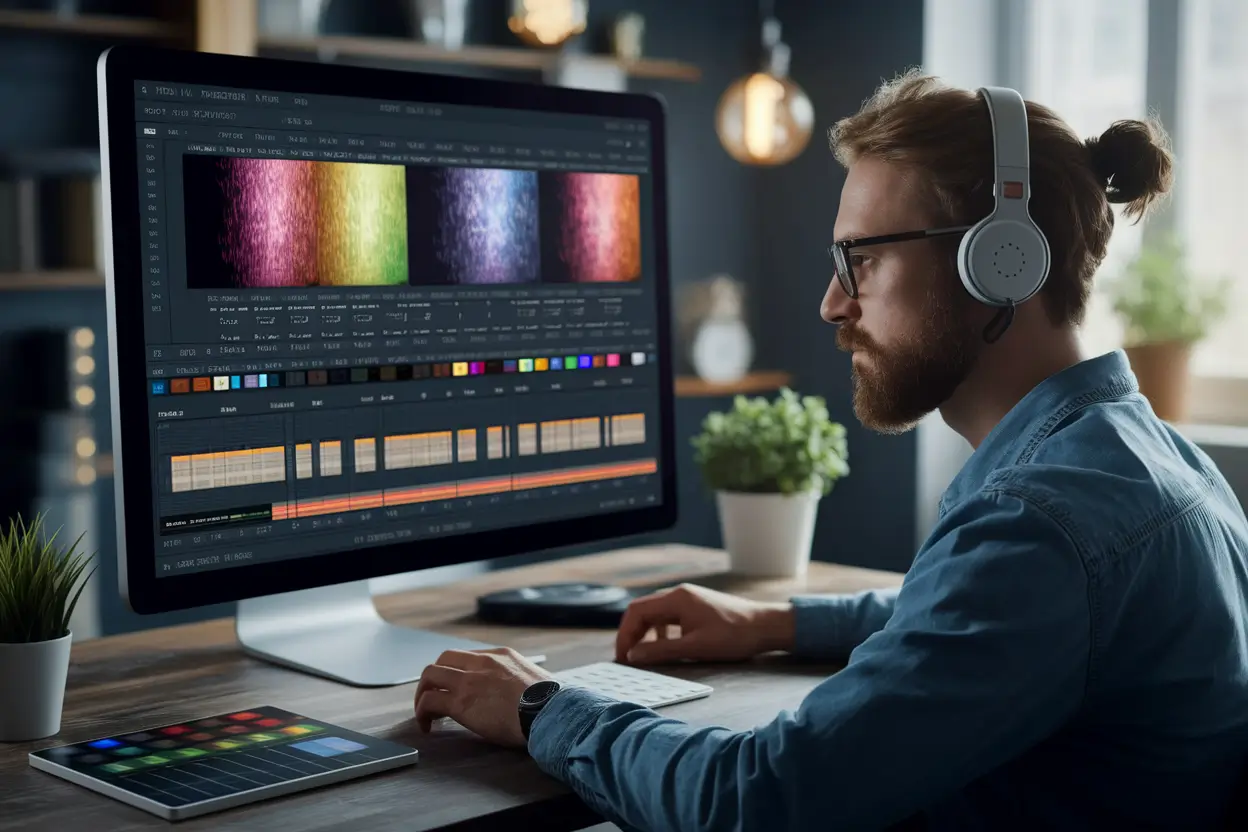
Recent years have seen exciting trends in AI in movies, from generative storytelling to virtual production. Filmmakers now use AI to simulate complex lighting environments in real time. Text-to-video AI tools allow rapid previsualization, while voice synthesis can replace ADR (Automated Dialogue Replacement). AI avatar actors and digital doubles are emerging phenomena. Additionally, data-driven personalization is influencing streaming platform recommendations, impacting how films get green-lit and promoted.
Technical Implementation of AI in Movies
The technical design of AI in movies systems combines video processing, NLP, and cloud-based training. A simplified workflow includes:
- Training models on large-scale visual datasets for recognition accuracy.
- Using TensorFlow or PyTorch for model creation and testing.
- Integrating plugins within cinema editing suites like Premiere Pro.
- Deploying APIs to adjust real-time rendering or segmentation tasks.
Example Python pseudocode for script tone analysis:
import transformers
from transformers import pipeline
analyzer = pipeline(‘sentiment-analysis’)
result = analyzer(‘This scene feels intense and emotional.’)
print(result)
This implementation identifies emotional sentiment and can guide writers in scene adjustments based on tone data.
Comparisons and Alternatives to AI in Movies
While AI in movies delivers data-driven outcomes, traditional filmmaking remains human-centric. Alternatives include data visualization tools, heuristic analytics, and manual production pipelines. The major comparison lies in speed and adaptability: AI systems analyze thousands of data points in seconds, while human experts rely on intuition and experience. Both approaches can complement each other when balanced effectively.
Impact of AI in Movies on Creativity
There’s continuous debate about whether AI in movies enhances or limits artistic creativity. Supporters argue that AI frees creators from repetitive technical tasks, providing more time for storytelling. Critics caution that algorithmic suggestions may lead to formulaic narratives, reducing originality. Many studios now adopt hybrid workflows where AI provides analytical data while directors retain final creative authority.
AI in Movies and Actor Digitalization
The introduction of AI in movies has expanded virtual actor creation and performance enhancement. AI constructs realistic avatars mimicking an actor’s appearance and movements. Studios use motion-capture data combined with deep learning to preserve emotional authenticity in digitally constructed performances. Ethical debate arises when deceased actors are recreated digitally without full consent, making governance frameworks essential for future productions.
Ethical Issues in AI in Movies
Implementing AI in movies also raises serious ethical questions regarding deepfakes, intellectual property, and bias. Deepfake misuse can blur reality and fiction, affecting public perception. AI-based casting may inadvertently replicate social biases embedded in training data. Resolving these issues demands transparent data governance, consent-driven AI modeling, and clear industry regulation regarding digital likeness rights.
AI in Movies Marketing and Business Applications
In the business domain, AI in movies helps studios maximize returns through audience targeting and campaign optimization. Machine learning models evaluate social media engagement, trailer views, and demographic data to predict performance. Hollywood’s marketing departments increasingly rely on AI dashboards for real-time media spend optimization and engagement insights.
Case Study: Using AI in Movies for Trailer Production
When Universal Pictures used IBM Watson to design the trailer for “Morgan,” the machine analyzed thousands of existing thriller trailers to determine the most effective scenes. The outcome was a condensed promo built in a fraction of typical production time. This success story highlights how AI in movies can shorten post-production tasks without reducing quality.
Common Mistakes When Using AI in Movies
- Overreliance on data over creative instinct.
- Using poor-quality training datasets resulting in inaccurate predictions.
- Neglecting bias management during casting ML models.
- Ignoring post-processing human oversight on AI-generated content.
Step-by-Step AI Integration in Movies
For studios planning to embed AI in movies pipelines, the following steps can serve as a guidance roadmap:
- Identify key production stages where automation adds value.
- Collect and curate relevant datasets with metadata labeling.
- Train, validate, and test machine learning models for specific tasks.
- Integrate AI modules into editing or animation workflows.
- Monitor performance and fine-tune based on creative feedback.
Future Outlook of AI in Movies
The future of AI in movies promises greater personalization, smarter automation, and closer collaboration between human storytellers and digital intelligence. Virtual production sets will evolve, allowing directors to preview entire scenes generated by AI. As computational power expands, we may witness the creation of AI-assisted screenplays tailored to audience emotion patterns. However, maintaining authenticity and emotional resonance will remain a filmmaker’s responsibility.
FAQs about AI in Movies
How is AI used in movies today?
AI in movies is used for script optimization, editing automation, visual enhancement, and box office predictions. It’s embedded in both creative and technical departments of major studios.
Can AI replace filmmakers?
While AI in movies can automate routine processes, it cannot replicate human imagination or interpretive storytelling. It acts as a support tool rather than a replacement.
What are the risks of AI in movies?
Potential risks include deepfake misuse, ethical breaches in likeness use, and perpetuation of data biases that can affect representation and diversity.
Which tools are shaping AI in movies?
Leading solutions include Runway ML, Adobe Sensei, ScriptAI, and DeepMind Vision tools that streamline content creation and editing.
What does the future hold for AI in movie production?
The integration of real-time rendering, emotion-aware storytelling, and generative previsualization will dominate upcoming trends in AI in movies.
Conclusion: The Role of AI in Movies in the Future of Hollywood
AI in movies has become more than a trend—it’s a monumental shift toward intelligent filmmaking. Its ability to reduce production costs, enrich creative precision, and transform viewer experiences will define Hollywood’s next chapter. The key remains balance: using AI as a collaborative partner while preserving the irreplaceable human touch that makes cinema timeless.