


The global race for artificial intelligence supremacy has reached a new, high-stakes milestone. Reports indicate that a massive Anthropic Norwegian Hydropower wager is underway. The leading AI lab will pay Volta Infra Holdings $10 billion for cloud compute over six years.
Volta never officially named the customer during its Tuesday announcement. Instead, they described them as a leading AI lab. Bloomberg cited unnamed sources that attributed the massive deal directly to Anthropic. All involved firms, including Anthropic, Volta, and Bitdeer, have declined to confirm the partnership.
This multi-billion dollar commitment represents a huge shift in how AI companies secure computing power. As models grow, renting temporary cloud chips is no longer enough. AI developers are now funding major physical data centers directly to guarantee future capacity.
Where the Compute Infrastructure Lives
The actual hardware will live at Bitdeer’s Tydal site in Norway. Bitdeer originally acquired this location outright for Bitcoin mining in 2024. Now, the company is pivoting rapidly to high-performance AI services.
This shift matches changing dynamics in the industry. Many cryptocurrency operations are exploring Blockchain Energy Efficient Mining Models to optimize their footprints. For more insights into these structural trends, you can check our tech Blogs.
Bitdeer’s Tydal subsidiary has inked a 16-year agreement with Volta. The base term guarantees $4.7 billion in scheduled payments. If Volta exercises an eight-year renewal option, the total could reach $8 billion.
Following this announcement, Bitdeer shares surged higher by as much as 23%. The company expects operating margins of nearly 90% once revenue starts flowing. However, they still need another $500 million to complete the buildout.
The project will deliver capacity across four data halls in two phases. The first phase should conclude by the end of this year. The second phase will arrive in March 2027.
To fund this massive expansion, Bitdeer liquidated its Bitcoin holdings earlier. This aggressive shift aligns with their broader Bitcoin Treasury Strategy 2025. They are betting heavily on AI colocation rather than volatile crypto mining.
The transition highlights how digital asset miners are repurposing energy access. Reliable power grids have become the most valuable asset in the modern tech ecosystem. Colocation services offer steadier revenue than mining blocks.
The Creative Financing Behind the Volta Deal
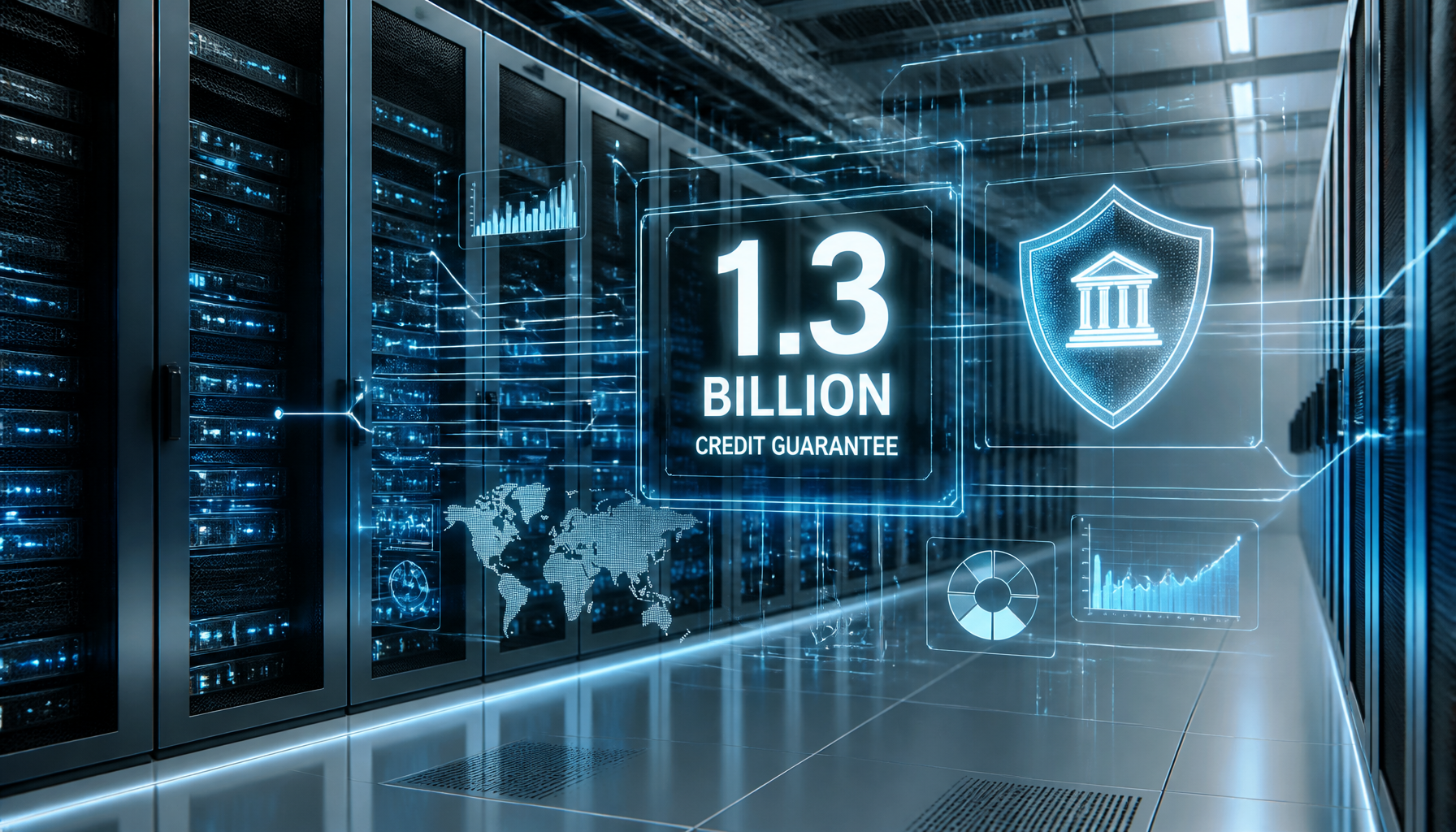
The financing structure is the most fascinating part of this agreement. Volta’s payments are fully backstopped by $1.3 billion in standby letters of credit. Affiliates of J.P. Morgan and another unnamed institution support this guarantee.
This setup is a scaled-down version of how hyper-scalers build networks. For example, Google backs $43.8 billion in lease obligations across its TPU ecosystem. This credit backing allows landlords to build facilities without requiring the AI lab to take on debt.
This is the first time we have seen this structure in Nvidia’s ecosystem. Usually, it is restricted to Google’s proprietary network. Volta’s leadership knows infrastructure well, as former Brookfield executives started the firm.
The startup recently raised $300 million from major venture firms. Investors include Nvidia, Andreessen Horowitz, and Altimeter. This funding round values the young startup at $2.4 billion.
Managing such large financial architectures requires deep forecasting capabilities. Modern platforms increasingly rely on Ai For Finance And Forecasting to model these long-term commitments. This lease highlights how backend hardware supports end-user software, including Ai Email Writers Creative Tools.
By using standby letters of credit, Volta reduces risk for Bitdeer. The landlord can secure construction financing easily. This creative financial model could soon become standard across the AI hardware landscape.
Why Anthropic Norwegian Hydropower Makes Strategic Sense
Geography is the key differentiator for this massive investment. More than 90% of Norway’s electricity comes from clean, reliable hydropower. This provides a sustainable solution for energy-hungry AI architectures.
Furthermore, Norway’s chilly climate offers incredible cooling advantages. Data facilities there achieve a power utilization effectiveness (PUE) ratio nearing 1.1 to 1.2. In comparison, typical U.S. facilities operate at an average PUE of 1.58.
On a site rated at 121 IT megawatts, this gap is highly significant. It represents the difference between losing megawatts to cooling overhead versus running chips. High efficiency is critical for modern Ai Personal Assistant Agent Development projects.
The physical facility will run Dell servers powered by Nvidia’s latest Vera Rubin platform. This hardware is specifically designed for high-end liquid cooling. The cold Norwegian environment is perfect for handling these thermal requirements.
This is just one part of Anthropic’s rapid expansion. The lab has signed compute agreements with SpaceX, AMD, and Akamai. They are also reportedly in discussions with Meta for further capacity.
This expansion supports the growing footprint of consumer applications. These facilities run advanced models that power modern Ai Powered Chatbots. They also support developers integrating Ai In Mobile Apps worldwide.
These infrastructure deals are incredibly capital-intensive. Anthropic secured a $15 billion joint commitment from Nvidia and Microsoft. Additionally, they purchased $30 billion worth of Azure cloud capacity.
AI labs are running out of chips to rent. As a result, they are beginning to finance their own power plants. Adapting to these new market demands is vital, resembling the 19 Changes To Make Lifelong Success for enterprises.
According to the official Bitdeer press release, the Tydal site will be among Europe’s largest AI factories. The combination of green energy and cutting-edge silicon creates a powerful template for future facilities.
Other Crucial Tech and Crypto Developments This Week
The technology sector is shifting rapidly beyond artificial intelligence. Several other regulatory and network milestones occurred this week that deserve your attention.
1. The CLARITY Act Misses Its Own Deadline
The U.S. Senate has left for its August recess without a floor vote on the CLARITY Act. The delay stems from disagreements over ethics language. Democrats want strict additions that Republicans have not agreed to insert.
This delay has directly impacted market expectations. A Polymarket quote on 2026 passage was at 82% in February. Now, that probability has plummeted to just 23%.
The impact of this delay is not distributed equally. ARK Invest recently increased its positions in Coinbase and Circle. For Circle, federal trust bank approval is already in hand.
Smaller DeFi projects and community banks must wait longer. Rules might not arrive until 2027. You can read a detailed Circle Stock Ipo Surge Analysis to understand these market dynamics better.
Without clear federal guidelines, the industry remains in limbo. Startups face ongoing compliance hurdles as legislators debate ethics rules. Meanwhile, larger firms leverage their existing licenses to capture market share.
2. SEC Builds Accounting Fraud Unit Targeting Digital Assets
The SEC has quietly constructed a dedicated unit focused on accounting fraud. The unit investigates how public companies account for their digital asset holdings. It is housed within the Enforcement division.
A former lawyer from Gibson Dunn helms the new unit. This move follows a massive 68% drop in accounting-related enforcement actions. While not crypto-specific, any firm reporting digital assets is now a likely subject.
This regulatory shift underscores the need for clear corporate structures. Many organizations work with an Enterprise Blockchain Development Company to build compliant ledgers. Tracking Blockchain Trends And Market Statistics is crucial as global oversight shifts toward strict rulemaking.
Public companies holding digital currencies must prepare for scrutiny. Auditing processes will likely become more rigorous. Clear documentation of transactions is essential to avoid potential regulatory penalties.
3. Solana Processes Record 169.9 Million Daily Transactions
Solana achieved a record daily transaction count of 169.9 million. This milestone occurred six days after a major mainnet upgrade. The upgrade increased block capacity by 66%.
However, the business side of this throughput remains thin. Most of the new volume consists of market makers requoting. It does not represent a massive wave of new retail users.
In fact, Solana fees hit their weakest quarter since 2023. This shows record throughput can sometimes lead to thinner business margins. Yet, we still see Blockchain Technology Revolutionizing financial transactions globally.
The upgrade proved Solana can handle intense volume. However, translating network speed into sustainable revenue remains a challenge. Future updates must focus on increasing fee efficiency alongside throughput.
Conclusion
The partnership between Anthropic, Volta, and Bitdeer marks a new era. AI developers are no longer just software engineers. They have become major physical infrastructure players.
By leveraging Norwegian hydropower, Anthropic ensures green and efficient operations. Meanwhile, regulatory delays and network upgrades continue to reshape the digital landscape. Keeping track of these changes is essential for any modern enterprise.