


Looking for a new movies download link used to be a stressful chore. In the early 2000s, peer-to-peer (P2P) file sharing dominated the digital landscape. Audiences globally struggled with dial-up internet and buggy programs to access their favorite cinema releases. Slow speeds and high security risks plagued early web users.
Today, the digital entertainment landscape looks entirely different. The industry shifted from slow local downloads to instant cloud streaming. Modern streaming services have completely changed how we consume video content. Let us explore the fascinating journey from peer-to-peer file sharing to modern subscription models.
The Torrent Revolution: Sharing the Data Load
Before legal streaming, finding a platform for a new movies download was a challenge. Centralized servers could not handle massive video files. Every time thousands of users requested the same movie, host servers would crash. This bandwidth bottleneck paved the way for peer-to-peer protocols.
In 2001, Bram Cohen developed the BitTorrent protocol. This system changed everything. Instead of downloading a file from one central server, users shared pieces of the file with each other. This decentralized system became highly efficient. The more people who joined the swarm, the faster the file could transfer.
Interestingly, this decentralized logic extends far beyond file sharing today. Modern technology companies apply similar peer architectures to other industries. For instance, developers build financial ecosystems using concepts from a P2p Crypto Exchange Development Company. These modern setups allow direct peer interactions without intermediaries.
Furthermore, managing these large distributed data pools requires a solid structure. Developers use complex networks to coordinate these systems securely. If you are interested in how decentralized systems organize data, you might look into Creating Your Own Blockchain Network. Both file swarms and block networks distribute data across multiple computer nodes.
Securing the Flow of Media: Encryption and Rules
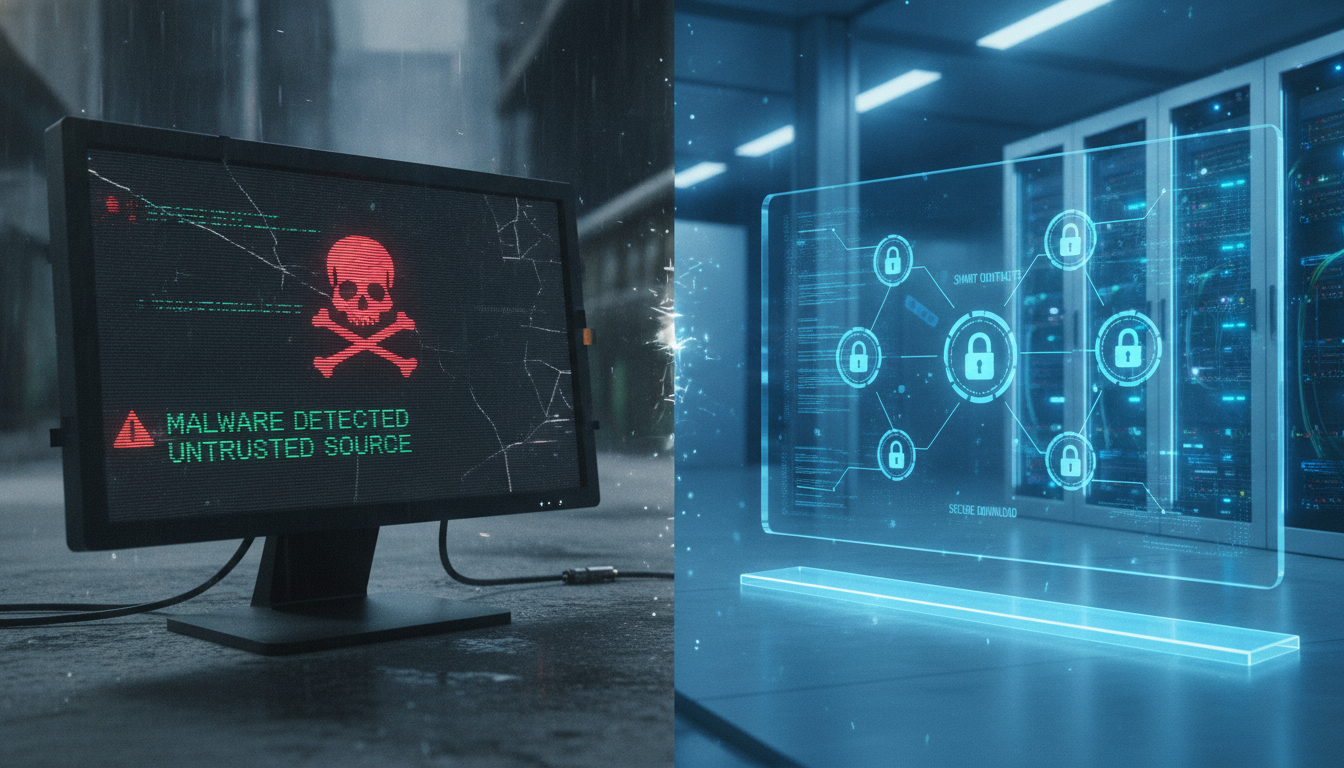
The early days of search-driven media downloads had a major dark side. Searching for a new movies download often led to malware. Malicious files frequently masqueraded as popular blockbusters. Users required better digital security and verified platforms to enjoy media safely.
Eventually, the entertainment industry realized it had to adapt. Content creators demanded automated solutions to control distribution and royalties. Today, automated logic ensures that digital assets are distributed fairly. The industry relies on systems similar to Custom Smart Contracts to enforce digital agreements.
To implement such systems, companies partner with experienced tech firms. Working with a reliable Solidity Development Company helps build robust code for these agreements. Secure protocols protect both the intellectual property and the consumers.
These advanced tools ensure that files are not modified during transmission. Cryptographic security is now standard in all high-value web applications. It is the same security foundation found in Decentralized Finance Smart Contracts. Security has become a paramount priority for all digital networks.
The Rise of Legal Streaming and the Modern Era
In 2007, Netflix introduced streaming video to its users. This move marked the beginning of a new era. Consumers quickly realized that instant playback was superior to waiting hours for a file. Legal portals offered a safer alternative to the old-school new movies download websites.
According to the Brookings Institution study on video delivery, streaming changed consumer behavior globally. Fast broadband internet allowed media companies to deliver content directly to mobile devices. Users no longer needed large local hard drives to store their media libraries.
How the Search for a New Movies Download Changed the Web
Convenience eventually became the ultimate weapon against internet piracy. Instead of searching for a sketchy new movies download, audiences preferred paying a monthly fee. Platforms like Prime Video, Disney+, and Netflix made viewing movies incredibly simple. High-definition content was suddenly available at the click of a button.
As media evolved, digital ownership took on new forms. Some creators started issuing unique tokens to represent digital artwork. This development led to a boom in Nft Art Marketplace Development. Collectors could finally own verified digital assets securely.
To support these massive media ecosystems, secure exchange backends are essential. Digital portals use advanced trading engines to handle global subscriptions. Understanding the White Label Crypto Exchange Future helps businesses realize how secure financial backends operate. Scalable infrastructure is crucial for handling millions of concurrent users.
Today, companies do not have to build these complex systems from scratch. They can deploy ready-made structures to secure their digital transactions. Many organizations now opt for pre-packaged White Label Blockchain Solutions. These tools accelerate deployment while maintaining institutional-grade security.
Applying AI and Automation to Modern Entertainment Platforms
Modern streaming services do not just host files. They use advanced artificial intelligence to keep viewers engaged. Algorithms analyze your viewing habits to suggest your next favorite film. This personalization helps users discover content without ever needing to look for a new movies download elsewhere.
AI also plays a major role in content marketing. Marketing teams use automated design systems to craft appealing promotional banners. For example, an Ai Image Generator can instantly create unique key art for different audiences. Personalized poster art increases the likelihood of a user clicking play.
This automated curation relies on multiple types of machine intelligence. Researchers continue to develop better cognitive frameworks to manage large datasets. Understanding the Types Of Ai Agents Shaping The Future explains how modern digital networks optimize themselves. These autonomous agents handle everything from server balancing to customer support.
Automation is transforming every layer of modern business operations. Entertainment companies must stay ahead of these trends to survive. Industry experts outline these changes in the Future Of Ai In Business 2026 Outlook. Adapting to automated workflows is no longer optional for media giants.
Financial transactions within these streaming hubs also benefit from automation. Secure AI payment gateways verify subscriptions in milliseconds. This integration represents a broader trend, such as Ai In Fintech Revolutionizing Banking Services. Seamless payments prevent user churn and secure consistent revenue.
Technological Crossover: Security Beyond Entertainment
The secure protocols built for digital media have spread to critical sectors. For example, the need for encrypted file sharing and identity verification is vital in medicine. Secure decentralized ledger systems are now improving Blockchain In Healthcare Security Efficiency. Patient data remains private while being easily accessible to authorized doctors.
To implement these secure healthcare networks, hospitals require specialized developers. Finding top-tier engineering talent is a major priority for modern institutions. Many healthcare networks turn to leaders in Top Healthcare Software Development 2026. These companies design secure, compliant portals for sensitive patient databases.
Ultimately, these developments show how deeply connected modern technologies have become. Security networks protect both our medical records and our favorite films. If you want to see other practical applications of this technology, you can explore various Blockchain Use Cases. Decentralization has evolved from a simple file-sharing tool into an industrial necessity.
Conclusion
The evolution of digital movie distribution is a story of convenience and security. We began with risky torrent sites and slow connections. Searching for a new movies download was a weekly routine for many. Today, legal streaming services deliver high-quality video instantly to any screen.
Decentralized peer networks paved the way for modern internet infrastructure. By combining automation, secure protocols, and smart systems, content distribution has become faster and safer than ever. The future of entertainment lies in seamless, secure, and personalized delivery platforms.