

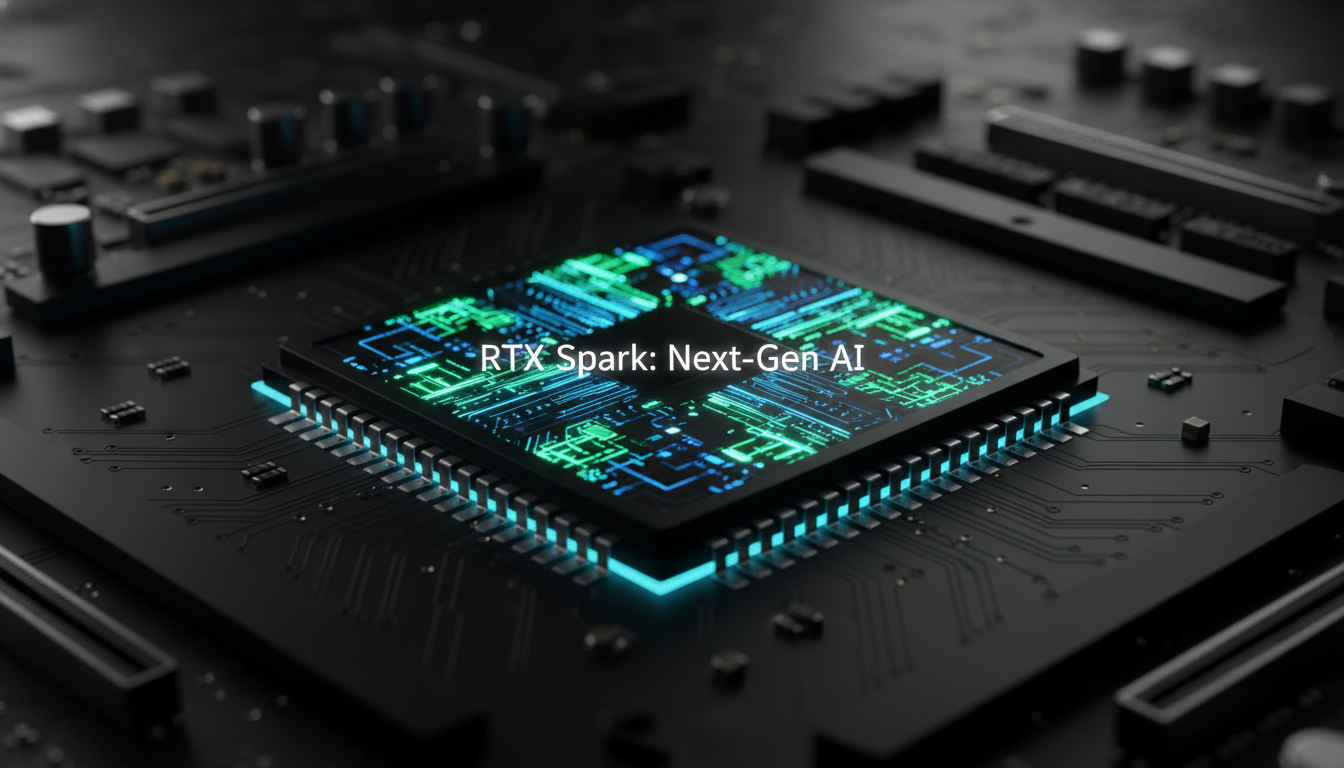
The computing world is experiencing a massive paradigm shift. Consumers are moving away from passive cloud chatbots. Instead, they are embracing active, local digital teammates. Nvidia is leading this charge. At Computex 2026, the tech giant introduced its highly anticipated RTX Spark superchip. This breakthrough marks the transition into true personal AI-agent computing. The news was formally shared through the NVIDIA Newsroom on the sidelines of the event.
The Rise of the RTX Spark: Redefining Personal Computing
The RTX Spark represents the dawn of localized agentic computers. Nvidia describes it as the most efficient PC chip ever engineered. It is a system-on-a-chip (SoC) designed to bring raw supercomputing power into thin, everyday devices. Nvidia has teamed up with six massive global hardware manufacturers. These include industry titans like Dell, Lenovo, Microsoft, HP, Asus, and MSI.
Together, they are preparing to roll out a major initial wave of products. This lineup includes 30 distinct laptop models and 10 powerful desktop models. These upcoming laptops are physically striking. They feature ultra-slim profiles as thin as 14 millimeters. Additionally, they weigh under three pounds. These premium machines target demanding power users. Creators, AI developers, and competitive gamers will benefit the most. You can keep up with these advancements through the Latest Blockchain Ai News Updates.
The RTX Spark chip incorporates native support for CUDA, the world’s leading AI software ecosystem. By combining high-performance CPUs with Blackwell-architecture RTX GPUs, Nvidia delivers a staggering 1 Petaflop of local AI performance. This hardware allows developers to build, test, and run complex neural networks locally. This entirely eliminates the need for expensive cloud resources. Running workloads on the RTX Spark ensures peak performance and unprecedented battery life.
Shifting Paradigms: From Chatbots to Agentic AI
For years, consumer interaction with artificial intelligence has been transactional. Users type prompts into search boxes and wait for responses. This basic text-based setup is changing fast. Nvidia executives point out that the era of simple text chat with bots like ChatGPT, Claude, or Gemini is drawing to a close.
The industry is rapidly shifting toward agentic computing. This new era features tens of millions of autonomous bots. These agents do not just answer questions. They actively perform real, multi-step, and highly complex workflows. For a broader look at this market, check out the Complete Beginners Guide To Ai As A Service.
To understand this shift, you must look at how businesses use tools. Traditional AI applications act as simple utilities. Agentic models work as actual teammates. They plan actions, execute processes, and correct their own errors. They use diverse Ai Applications to manage daily workflows seamlessly. These bots can draft emails, write clean code, and execute multi-layered tasks autonomously.
This transition requires a massive overhaul of computing infrastructure. Initially, AI training relied strictly on giant GPU clusters. Running autonomous agents on edge devices requires a different architecture. This process of local inference leans heavily on Central Processing Units (CPUs) and unified memory. The RTX Spark platform is built to optimize these specific hardware needs.
Local chips must handle rapid decision-making loops. This shift mirrors the processing breakthroughs highlighted in Google Agentic Calls Insights. To support these continuous loops, computers need ultra-fast CPU cores and massive memory bandwidth. This is why Nvidia has optimized the CPU portion of its new architecture. It creates highly responsive, local Ai Powered Decision Flows. Nvidia expects these local agentic tasks to replace standard chatbot queries. This change will sweep across data centers and edge devices alike.
How Local Agentic Processing Alters Digital Workflows
Executing AI models locally provides massive advantages. Users no longer need constant internet connections. They do not have to worry about recurring cloud subscription fees. Most importantly, local processing keeps sensitive data entirely secure. Businesses can utilize advanced Ai Data Solutions For Business Operations without sending corporate files to external servers.
Developers can use these machines to prototype complex codebases. They can craft innovative Ai Project Ideas right on their ultra-slim laptops. This localized workflow accelerates software development. It enables rapid iteration on complex Neural Network Design models.
This massive hardware shift requires deep software support. Over 100 top-tier Windows software providers are already optimizing their tools. This includes industry leaders like Adobe, Blackmagic Design, and Blender. Game developers like Riot Games, Epic, and Xbox are also jumping on board. They are delivering native Arm versions of their popular games. These collaborations allow any Good To Great Organization to upgrade its tech stack. It bridges the gap between raw hardware muscle and practical, daily productivity.
Expanding the Frontier: Vera Rubin and the Data Center Powerhouse
Nvidia’s vision goes far beyond personal computers. The company also unveiled its next-generation data center roadmap, known as Vera Rubin. This platform is currently in full production. It is scheduled to ship to global customers in Q3 2026. This next-gen architecture is designed to handle the massive compute demands of global agentic systems.
The Vera Rubin lineup is incredibly powerful. It includes the highly anticipated Rubin GPU, built using TSMC’s advanced 3nm process node. This GPU will utilize high-bandwidth HBM4 memory to maximize data throughput. It also features servers constructed entirely out of Nvidia’s custom Vera CPUs.
Furthermore, the architecture integrates specialized inference chips developed by Groq. Nvidia licensed Groq’s high-speed technology and leadership team last year in a historic $20 billion deal. This combination allows data centers to achieve unprecedented efficiency. It slashes latency for real-time applications. This technology will play a critical role in the future of Ai Blockchain Longevity Investing. It provides the robust processing backbone needed to analyze massive datasets instantly. Adapting to these rapid hardware changes is essential. If You Being Smart So Following This Way, businesses can secure a massive competitive edge in the evolving AI landscape.
Physical AI: The Unitree Robotics and Sharpa Collaboration
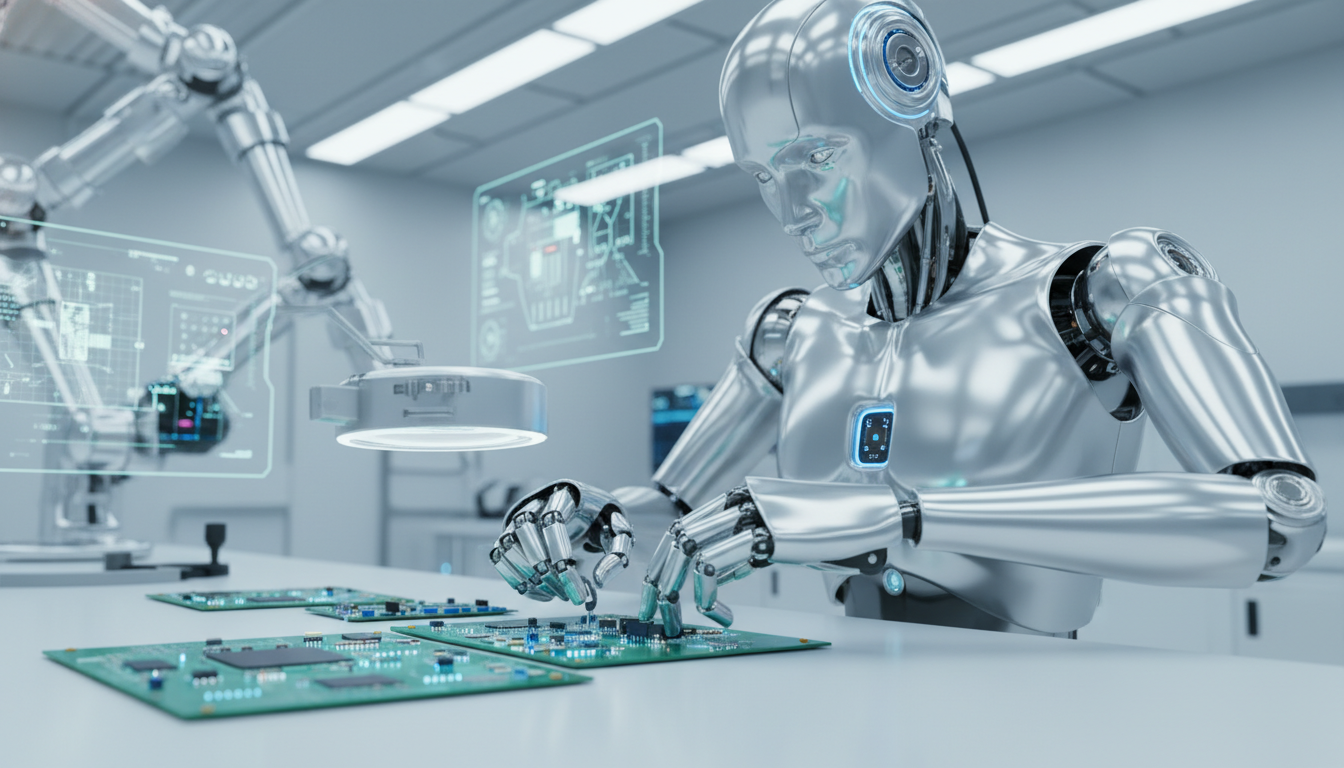
Nvidia is also bringing its advanced AI intelligence to the physical world. The company is expanding its partnership with Chinese robotics firm Unitree. It is also collaborating with Singapore-based robotic-hands specialist Sharpa. Together, they are introducing an advanced robotics design template. This platform is called the Isaac GR00T Reference Humanoid Robot, or the H2 Plus.
This physical AI platform represents a massive step forward. It is targeted at researchers and industrial manufacturers. They can use it to build robots capable of performing highly delicate physical tasks. These tasks include assembling electronics or administering medical care. For more details on industrial automation, look at the impact of Ai In Supply Chain Management.
This partnership is designed to address complex geopolitical and data security concerns in Washington. Nvidia has structured the collaboration very carefully. Unitree supplies the physical robotic chassis and mechanical components. Sharpa provides the highly dexterous robotic hands.
However, the core software and “brains” are designed entirely by U.S. firms. Crucially, all user data is processed locally. It never leaves the physical machine. This setup makes it ideal for companies using an Ai Integrated Smart Crypto Wallet 2025 or managing secure enterprise assets.
Businesses can leverage Ai Consulting Services Benefits to integrate these robots into their facilities. This physical automation can streamline warehousing and assembly. Furthermore, it highlights the emerging Applications Use Cases Of Blockchains in secure physical robotics. Distributed ledgers can secure machine-to-machine transactions and track audit logs.
Conclusion: A New Era of Personal Computing
The launch of the RTX Spark platform represents a historic shift in technology. It marks the moment personal computers transformed from passive utilities into active partners. By bringing agentic processing to thin-and-light devices, Nvidia is putting incredible power into the hands of daily users. Coupled with the massive scale of the Vera Rubin architecture, the age of autonomous agents is officially here.