


Tokenization of Real Estate in Australia is transforming how property investment works. By using blockchain technology, tokenization enables fractional ownership of properties, making real estate more accessible, transparent, and efficient for investors. This revolutionary approach allows multiple investors to own digital tokens representing specific shares in a property, lowering barriers to entry and redefining property investment in Australia’s growing digital economy.
Understanding Tokenization of Real Estate in Australia
Tokenization of Real Estate in Australia refers to the process of converting rights or shares of a physical property into digital tokens on a blockchain. Each token represents a fractional share of ownership in the underlying asset. Blockchain’s immutable ledger ensures precise ownership tracking, peer-to-peer transfers, and transparent record-keeping, drastically reducing the need for intermediaries such as brokers or custodians.
For example, a $1 million apartment building could be divided into 100,000 tokens valued at $10 each. Investors can purchase as many tokens as they desire, proportional to their ownership interest. This system creates liquidity in a traditionally illiquid market while maintaining compliance with Australia’s property and financial regulations.
How Tokenization of Real Estate in Australia Works
The process typically begins with a legal entity owning the property, such as a trust or special purpose vehicle (SPV). This entity issues tokens representing fractional shares of the property. Tokens are then distributed to investors through a secure blockchain platform. Smart contracts govern all transactions, ensuring automated compliance, secure transfers, and accurate distribution of profits or rental income.
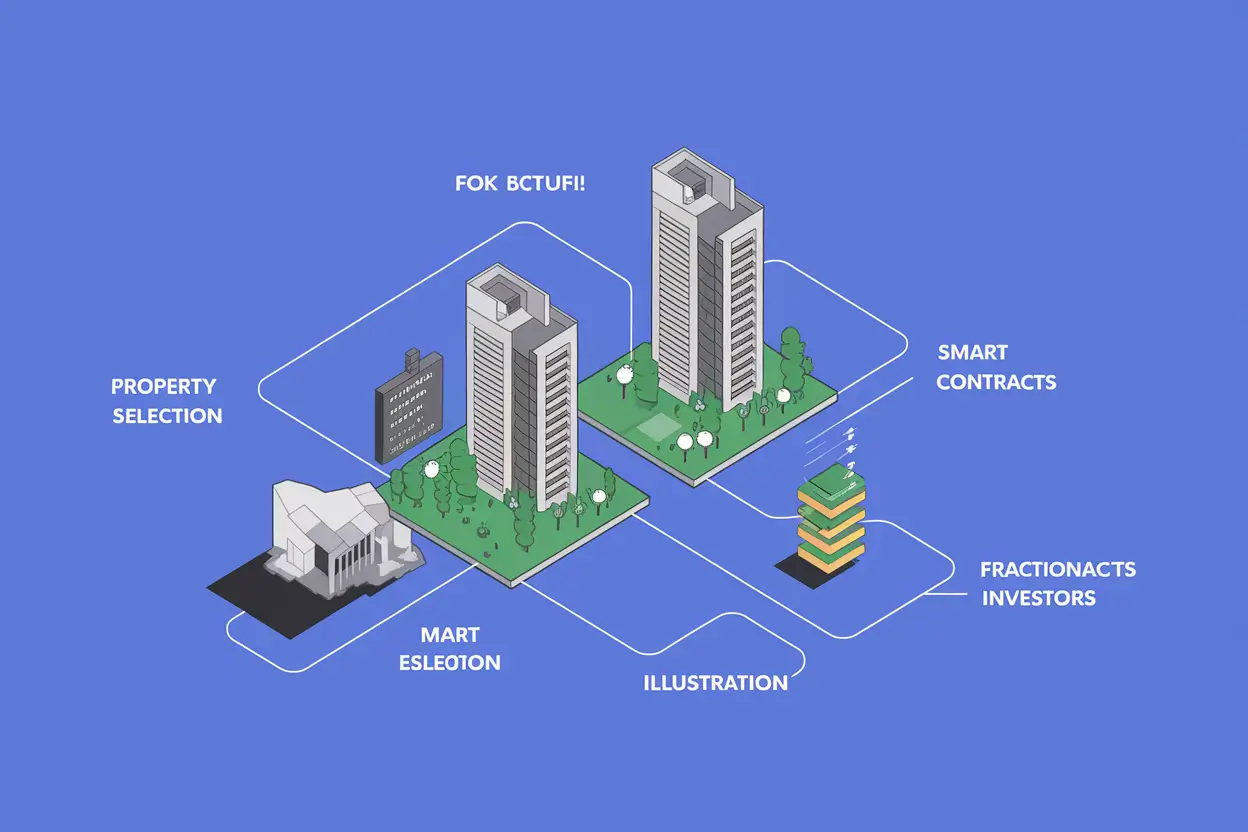
Step-by-Step Overview
- Property identification and valuation.
- Legal structuring and token issuance setup.
- Smart contract development for exchange rules.
- Blockchain registration of property-backed tokens.
- Marketing and investor participation.
- Secondary trading on compliant exchanges.
Developers and issuers must ensure adherence to the Australian Securities and Investments Commission (ASIC) guidelines, property laws, and anti-money laundering (AML) requirements when launching tokenized real estate projects.
Core Concepts Behind Tokenization of Real Estate in Australia
- Fractional Ownership: Investors own a small portion of a property through tokens, making real estate accessible to a wider audience.
- Liquidity: Tokenized property shares can be traded on digital exchanges, providing investors with a way to sell ownership easily.
- Smart Contracts: Automated blockchain-based contracts that manage transactions and income distribution.
- Decentralization: Removes intermediaries by relying on blockchain to maintain transparent and tamper-proof records.
- Compliance Tokens: Tokens issued in compliance with local securities regulations to ensure legal acceptance.
Pros of Tokenization of Real Estate in Australia
- Accessibility for Retail Investors: Tokenization reduces minimum investment amounts, allowing more people to invest in high-value assets.
- Enhanced Liquidity: Fractional tokens can be traded easily between investors.
- Global Reach: Opens the market to international investors looking to participate in Australia’s real estate sector.
- Transparency and Security: Blockchain ensures full traceability and verification of transactions.
- Automation: Smart contracts simplify management and automate dividend payments.
Cons of Tokenization of Real Estate in Australia
- Regulatory Complexities: Navigating Australian finance laws can be difficult, especially regarding securities classification.
- Market Volatility: Blockchain token prices can fluctuate based on demand and liquidity.
- Technological Risk: Dependence on smart contract integrity and cybersecurity.
- Limited Secondary Exchanges: Few compliant token exchanges currently exist in Australia.
- Adoption Barriers: Many traditional investors still lack understanding and trust in digital property investments.
Use Cases of Tokenization of Real Estate in Australia
This technology can be applied to various types of properties and investment strategies:
- Residential Properties: Fractional investment in apartment buildings or holiday homes.
- Commercial Real Estate: Tokenizing office buildings, retail spaces, or industrial properties.
- Real Estate Investment Funds: Creating digital tokens representing shares in property portfolios.
- Property Development: Raising funds through tokenized assets for construction projects.
- Real Estate Crowdfunding: Simplified digital crowdfunding through fractional token sales.
Real-World Examples of Tokenization of Real Estate in Australia
Several startups and projects have already begun exploring tokenized property models:
- Bricklet: A notable Australian platform offering fractional property ownership through digital tokens.
- Konkrete: A Melbourne-based company specializing in blockchain-based real estate investment platforms.
- Real Estate Fund Platforms: Some Australian property funds have launched pilot projects using tokenized equity for investor participation.
Globally, projects like RealT (USA) and Lofty.ai highlight successful large-scale implementations that Australia can learn from.
Latest Trends in Tokenization of Real Estate in Australia
The latest developments focus on integrating decentralized finance (DeFi) principles into real estate transactions. Platforms are now enabling collateralized loans using real estate tokens as backing, creating new funding mechanisms for property developers. Additionally, institutional interest is rising, with major real estate groups exploring token-based property financing.
Australia’s regulatory bodies are also modernizing frameworks to align digital asset laws with real estate token markets. This regulatory clarity will help build investor confidence in coming years. Advances in digital identity verification and know-your-customer (KYC) systems further facilitate compliance, enabling smoother onboarding for investors.
Technical Aspects of Tokenization of Real Estate in Australia
Technically, tokenization relies on blockchain platforms such as Ethereum, Polygon, or Binance Smart Chain. Tokens are typically issued using standardized protocols like ERC-20 (fungible tokens) or ERC-1400 (security tokens). Smart contracts define ownership details, profit-sharing, transfer conditions, and compliance checks.
Example Code Snippet for Real Estate Token Smart Contract (simplified)
This simplified pseudocode illustrates how token issuance might be structured:
// Solidity-like pseudocode
contract RealEstateToken {
address public owner;
mapping(address => uint) public balances;
uint public totalTokens;
function buy(uint amount) public payable {
require(msg.value == amount * price);
balances[msg.sender] += amount;
}
function distributeRentalIncome(uint income) public {
for each holder distribute proportionally;
}
Comparison with Alternatives to Tokenization of Real Estate in Australia
Traditional property investment usually requires large capital, considerable legal documentation, and limited liquidity. Tokenization solves these pain points through ease of transfer and fractional access.
| Feature | Traditional Real Estate | Tokenized Real Estate |
|---|---|---|
| Liquidity | Low | High |
| Accessibility | High investment thresholds | Low entry barriers |
| Transparency | Opaque ownership | Blockchain-based, transparent |
| Transaction Speed | Weeks | Minutes |
| Fractional Ownership | Difficult | Built-in |
Challenges Facing Tokenization of Real Estate in Australia
Despite its potential, tokenized property markets face several obstacles:
- Regulatory Alignment: Unclear classification of property tokens as securities remains a key issue.
- Market Education: Property investors need thorough education on blockchain and digital investments.
- Scalability: Blockchain networks must handle increased transactions efficiently.
- Integration with Financial Institutions: Bridging traditional banking with blockchain remains complex.
- Data Privacy Concerns: Securely managing investor data while remaining compliant with privacy laws.
Government Regulations and Compliance in Tokenization of Real Estate in Australia
ASIC currently reviews each tokenized offering case-by-case. Issuers must comply with the Corporations Act 2001 when tokens qualify as managed investment schemes or securities. AML and KYC processes must align with AUSTRAC requirements to prevent illicit financial activities. Clarity in regulations will be essential to encourage institutional adoption in Australia’s property markets.
Investing in Tokenization of Real Estate in Australia
Investors can start by joining regulated tokenization platforms or accredited investment funds. Always verify compliance standards, underlying property details, and blockchain transparency features before investing. Seek professional legal and financial advice when evaluating real estate token offerings.
Future Outlook for Tokenization of Real Estate in Australia
The future appears highly promising. Analysts predict mainstream acceptance of tokenized property within the next decade as technology matures and regulations adapt. Integration with DeFi and artificial intelligence-driven valuation models could further enhance accessibility and risk management.
Institutional players such as property development firms, funds, and banks are preparing to adopt this model as part of their digital asset strategies. The potential for cross-border ownership, instant liquidity, and transparent record-keeping makes tokenized real estate a definitive leap toward modernized property investment.
Frequently Asked Questions About Tokenization of Real Estate in Australia
What is Tokenization of Real Estate in Australia?
It is the process of creating digital tokens on a blockchain that represent fractional ownership of real property assets within Australia.
Is Tokenization of Real Estate Legal in Australia?
Yes, but issuers must comply with ASIC, AUSTRAC, and property law regulations to ensure legally sound token offerings.
How Does Tokenization Benefit Small Investors?
It lowers investment thresholds, allowing smaller investors to own parts of high-value properties without requiring full ownership capital.
Can I Trade My Tokenized Property Shares?
Yes, trading is possible on compliant digital exchanges, but liquidity depends on market availability and platform regulation.
What Are the Risks in Tokenization of Real Estate?
Key risks include technological failures, market volatility, and evolving regulatory landscapes that could affect investor rights.
Conclusion on Tokenization of Real Estate in Australia
Tokenization of Real Estate in Australia marks a new phase in real estate investment. By merging blockchain transparency with property ownership, it opens the market to more investors with lower barriers to entry, enabling faster transactions and better liquidity. As regulations align with this innovation, tokenization will reshape Australia’s real estate investment model, fostering inclusivity, accessibility, and financial modernization.