


Building RWAs in 2026: Lessons from MessariData – Why Enterprises Can’t Afford to Wait marks a defining moment for both traditional finance and the blockchain industry. Real-World Assets (RWAs) are taking center stage in the Web3 transformation, bridging tangible off-chain assets like real estate, bonds, and commodities with on-chain digital ecosystems. This convergence enables liquidity, transparency, and programmable ownership, creating opportunities that companies can no longer ignore. As we approach 2026, the momentum around RWA tokenization has become inevitable, and MessariData’s insights highlight why enterprises that delay risk losing competitive ground.
Understanding Building RWAs in 2026
Building RWAs refers to the infrastructure, protocols, and regulatory frameworks needed to bring physical or paper-based assets into blockchain form. It involves creating digital representations—or tokens—that represent ownership of real-world value. These tokens are verifiable, tradable, and operable across decentralized ecosystems, offering both liquidity and global reach. As per MessariData’s 2026 projections, the total addressable RWA tokenization market could exceed trillions of dollars by the end of the decade, signifying a paradigm shift not just for DeFi but also traditional corporate finance.
How Building RWAs in 2026 Works
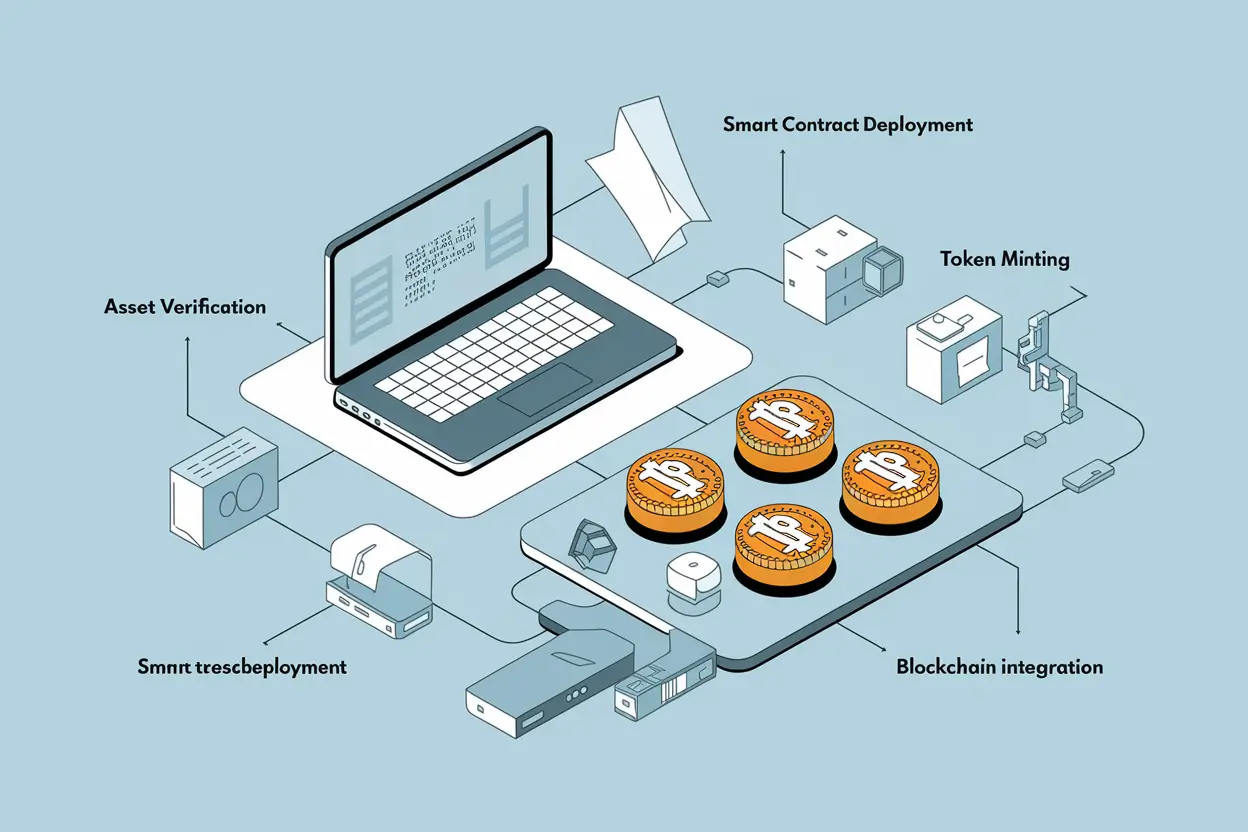
The process begins by identifying an asset class suitable for tokenization—such as real estate, treasury bills, gold, or art. A trusted entity, usually called an originator, verifies the ownership of the asset. Once validated, smart contracts are deployed on blockchain networks (Ethereum, Polygon, or Avalanche) that define ownership rights, revenue-sharing terms, and compliance conditions. Tokens representing fractional ownership are then minted and distributed to investors.
Custodians and oracles play essential roles in Building RWAs in 2026. Custodians hold the physical asset securely, while oracles ensure external data like price and valuation are accurately fed to the blockchain network. This interoperability allows financial systems to merge traditional validation with decentralized automation.
Core Concepts Behind Building RWAs in 2026
To fully understand Building RWAs in 2026, several key pillars must be addressed:
- Tokenization: Converting an asset’s ownership into digital tokens that can be traded or managed on blockchain.
- Custody: Securely managing ownership of the underlying asset through legally recognized custodians.
- Smart Contracts: Code-based tools that execute financial and ownership agreements transparently.
- Regulatory Compliance: Aligning token issuance with KYC/AML, securities law, and jurisdictional requirements.
- Liquidity & Markets: Enabling tokens to trade freely across decentralized or centralized platforms.
Advantages of Building RWAs in 2026
Building RWAs in 2026 delivers numerous advantages for enterprises:
- Improved Liquidity: Transforming illiquid assets into easily tradable digital tokens.
- Transparency: Blockchain records create immutable and auditable transaction trails.
- Fractional Ownership: Investors can hold partial exposure to high-value assets.
- Operational Efficiency: Automated settlement and compliance reduce costs and delays.
- Cross-border Accessibility: Global investors can participate without traditional banking constraints.
Challenges of Building RWAs in 2026
Despite its potential, Building RWAs in 2026 faces obstacles:
- Regulatory Fragmentation: Jurisdictions differ widely on tokenized asset classification.
- Onboarding Costs: Verification, custody setup, and compliance infrastructure can be intensive.
- Valuation Risks: Ensuring oracle price feeds remain accurate and tamper-proof.
- Interoperability: Ensuring RWA tokens function across blockchains without value loss.
- Market Adoption: Enterprises remain cautious due to unclear legal recognition of token ownership.
Use Cases of Building RWAs in 2026
The true power of Building RWAs in 2026 becomes visible in real-world applications:
- Real Estate Tokenization: Converting commercial or residential properties into fractional digital tokens.
- Trade Finance: Tokenizing invoices and credit flows to open decentralized liquidity pools.
- Commodities: Representing metals, energy, or agricultural produce as blockchain assets.
- Securities: Corporates issuing bonds directly on blockchain for investor transparency.
- Music & IP: Artists tokenizing royalty streams for direct investor participation.
Real-World Examples from MessariData Reports
MessariData’s findings reveal that key pioneers in Building RWAs in 2026 include Centrifuge, Maple Finance, and Ondo Finance. For example, Centrifuge allows small enterprises to create liquidity from unpaid invoices, providing yield opportunities for decentralized investors. Meanwhile, Ondo Finance focuses on tokenizing traditional bonds and cash equivalents. MessariData also notes that major banks and fintechs are exploring hybrid infrastructure combining compliance and DeFi liquidity mechanisms.
Latest Trends in Building RWAs in 2026
Trends driving this movement include cross-chain RWA tokenization, Layer-2 deployment for scalability, and AI-integrated analytics for asset evaluation. Another emerging theme is Real-World Credit Markets, where blockchain-native entities extend loans using tokenized physical assets as collateral. Additionally, stablecoins backed by RWAs are growing, providing stronger collateral bases than fiat reserves.
Technical Suggestions for Implementing Building RWAs in 2026
Developers focusing on Building RWAs in 2026 should prioritize modular design and compliance integration. Utilizing frameworks like ERC-3643 or ERC-1400 ensures programmable compliance. Oracles like Chainlink can anchor external pricing data securely. Security audits, multi-sig custody models, and robust KYC/AML checkpoints are essential for enterprise integration.
Example smart contract snippet for RWA token issuance:
pragma solidity ^0.8.0;
contract RWAToken {
   string public name = 'RWAAssetToken';
   mapping(address => uint256) public balanceOf;
   function mint(address to, uint256 amount) public {
       balanceOf[to] += amount;
   }
}
This basic snippet can be extended with ownership verification, transfer restrictions for compliance, and integration with oracle data for valuations.
Comparisons with Traditional Alternatives
Traditional asset management relies on intermediaries, auditors, and centralized exchanges. Building RWAs in 2026 replaces or complements these layers with programmable smart contracts, reducing friction. Tokenized assets settle faster than traditional wire or clearing processes. Furthermore, unlike private ledgers, blockchain records remain public and immutable, ensuring stakeholder confidence. The cost reduction and transparency advantage make tokenization a natural choice for forward-thinking enterprises.
Lessons from MessariData for Building RWAs in 2026
MessariData highlights three critical lessons: first, regulatory readiness must precede scalability; second, user experience determines adoption; and third, collaborations between fintechs and traditional institutions accelerate maturity. By 2026, enterprises that establish early RWA frameworks gain the dual edge of data-driven liquidity and trusted transparency. Waiting until regulations mature could mean entering late into already saturated ecosystems.
Common Mistakes When Building RWAs in 2026
Many enterprises rush tokenization without clear asset verification, resulting in compliance failures. Others underinvest in data oracles or overlook insurance coverage for custodial risk. Over-automation can introduce vulnerabilities when smart contracts lack human oversight. Successful deployments maintain a balance between decentralization and legal accountability.
Actionable Tips for Enterprises Embarking on Building RWAs in 2026
- Start small with pilot tokenization of non-sensitive assets like invoices or short-term securities.
- Work with legal consultants to develop multi-jurisdictional compliance protocols.
- Select Layer-2 blockchains that support EVM compatibility for scalability.
- Adopt off-chain attestation tools for asset authenticity verification.
- Regularly audit smart contracts using third-party security firms.
Future Outlook for Building RWAs in 2026
By 2026, the RWA tokenization landscape is expected to be mainstream across corporate treasuries, asset management, and retail participation. Enterprises will not just tokenize assets but integrate blockchain analytics into corporate finance dashboards. Smart contracts will automate yield management, interest payouts, and loan recoveries. Regulatory clarity will evolve, transforming tokenized asset ownership into legally enforceable rights. Those investing early in infrastructure, governance, and compliance today will emerge as tomorrow’s market leaders. Enterprises waiting may find that the ecosystem’s data, liquidity, and network effects have consolidated among early adopters.
FAQs on Building RWAs in 2026
What are Real-World Assets (RWAs)?
RWAs are tangible or off-chain assets such as property, commodities, or financial instruments represented digitally on blockchain through tokenization.
Why are enterprises focusing on Building RWAs in 2026?
Because RWAs unlock liquidity, reduce transaction costs, and create programmable access to global investments, making businesses more agile in capital markets.
What technologies power Building RWAs in 2026?
Blockchain platforms like Ethereum, Avalanche, Polygon, smart contracts, decentralized oracles, and KYC-compliant token issuance protocols are key technologies.
Are there risks in Building RWAs in 2026?
Yes. Risks include regulatory uncertainty, security vulnerabilities, false asset verification, or technical interoperability issues among chains.
How can enterprises get started with Building RWAs in 2026?
Start with pilot tokenization projects, partner with regulated custodians, and use audited smart contract frameworks that ensure compliance and transparency.
Conclusion: Why Building RWAs in 2026 Matters Now
Enterprises exploring digital transformation cannot overlook Building RWAs in 2026. MessariData insights confirm that RWA tokenization will define global asset distribution and enterprise liquidity frameworks. Waiting for regulatory perfection or market saturation will only result in missed opportunities. Today’s innovators who build responsibly and compliantly will command tomorrow’s decentralized economy.