
Artificial Intelligence in Education is rapidly redefining how educators teach and how students learn by enabling adaptive, personalized, and data-driven approaches. This transformative shift augments traditional educational structures with intelligent digital tools that enhance engagement and operational efficiency. From smart grading systems to real-time feedback platforms, Artificial Intelligence is poised to revolutionize education by creating scalable, accessible, and inclusive learning environments.
Understanding Artificial Intelligence in Education
Artificial Intelligence in Education refers to the use of AI-driven systems like machine learning, natural language processing (NLP), and data analytics to automate administrative tasks, personalize learning experiences, and generate data-backed insights. It allows for a more student-centric atmosphere by enabling real-time adaptation of content, simplifying routine educator tasks, and enhancing support through AI-powered chatbots.
Core Mechanisms of Artificial Intelligence in Education
Machine Learning Algorithms
AI systems deploy machine learning to identify student behavior patterns from large datasets. These systems facilitate activities such as predictive performance analysis, automatic recommendations, and targeted interventions, which help streamline educational outcomes.
Natural Language Processing (NLP)
NLP enables machines to comprehend and interact in human language, paving the way for AI-enabled tutors, chatbots, and content summarization tools. These technologies empower learners by offering real-time communication and clarification without constant teacher involvement.
Data Analytics
Through advanced data analytics, Artificial Intelligence in Education supports timely and accurate insights into student performance. Teachers can monitor progress trends, diagnose learning gaps, and take informed actions to improve educational outcomes.
Benefits of Artificial Intelligence in Education
- Personalized Learning: AI solutions accommodate individual learning styles, employing adaptive technology to deliver lessons at an optimal pace based on a student’s strengths and weaknesses.
- Automated Administrative Tasks: Automated tools significantly reduce the workload on teachers, improving efficiency in grading, attendance, and resource scheduling.
- 24/7 Student Support: AI chatbots provide round-the-clock assistance addressing academic queries and guiding students across varied topics.
- Improved Accessibility: Tools like voice-to-text, multilingual translation, and text-to-speech remove learning barriers for students with disabilities and non-native speakers.
- Data-Driven Insights: Educators benefit from real-time dashboards and predictive modeling tools that allow better-targeted interventions and lesson planning.
Common Challenges in Artificial Intelligence in Education
- Data Privacy and Security: The aggregation of educational data raises the risk of cyber breaches unless stringent data protection protocols are maintained.
- Algorithmic Bias: Machine learning tools may reflect inherent bias present in training datasets, potentially enforcing racial, gender, or socio-economic prejudice in educational recommendations.
- Over-Dependence on Technology: Unchecked reliance on AI reduces holistic development and emotional interactions necessary for collaborative and critical thinking development.
- Job Displacement Concerns: While AI is designed to aid educators, concern remains over whether it might replace certain support roles in the long run.
Real-World Examples of Artificial Intelligence in Education
- Edmentum and Knewton: These adaptive platforms use AI to customize lesson pacing and relevant content for individual learners.
- Gradescope: An AI grading tool that interprets scanned written assignments and digitized quizzes, reducing errors and standardizing evaluation.
- Socratic by Google: An AI-powered assistant helping students solve mathematical and scientific queries using visual recognition and NLP.
- Querium: Uses AI-powered tutorials for STEM students to improve conceptual understanding and standardized test scores.
- Brainly: Integrates NLP and AI moderators to provide quality, peer-supported answers while filtering misinformation.
Emerging Trends in Artificial Intelligence in Education
- Curricular Integration of AI: Schools in tech-forward countries are including AI as part of the official curriculum to build computational and problem-solving competencies from early grades.
- AI Literacy Among Students: A push is underway to make students aware of AI ethics, functionalities, and limitations as part of responsible digital citizenship.
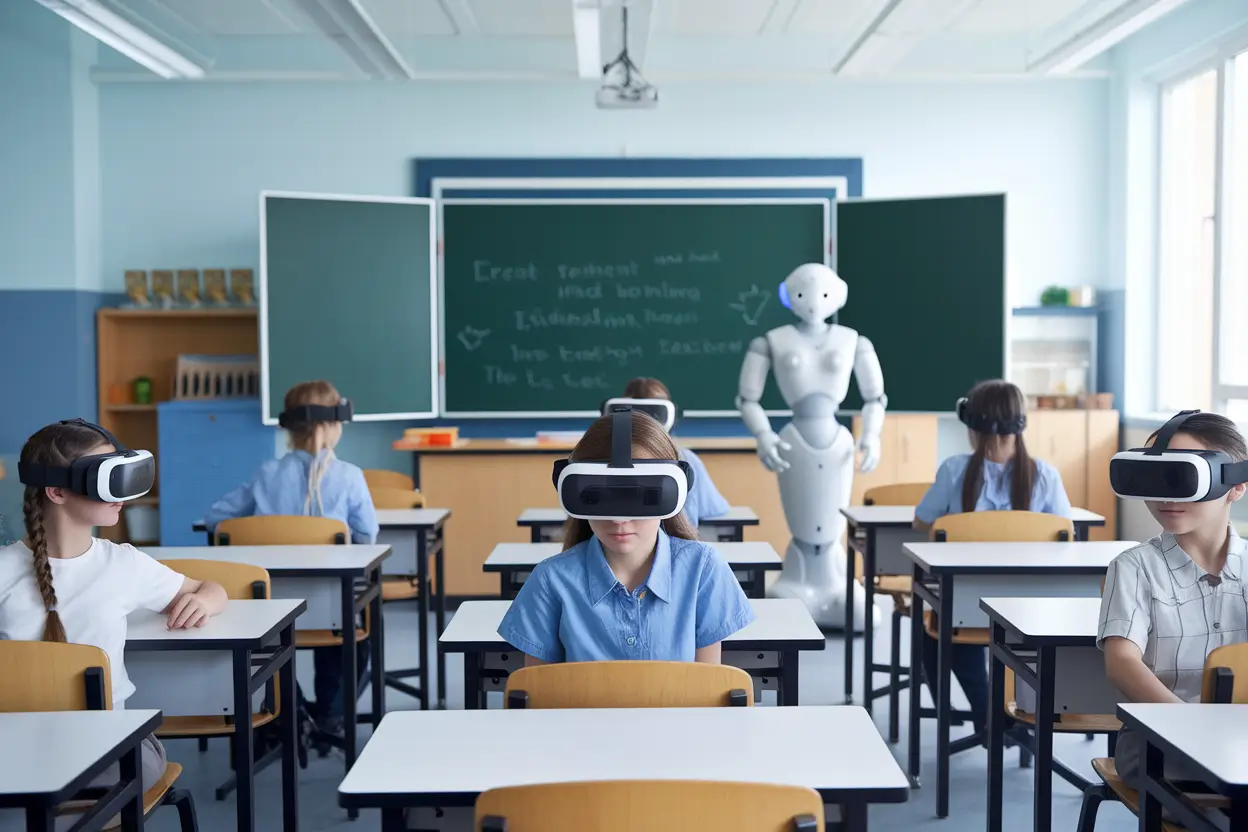
- Intelligent Virtual Reality (VR): AI-enhanced VR tools create interactive experiences such as virtual lab simulations and historical reenactments.
- Educator Upskilling: Training programs sponsored by EdTech firms aim to equip teachers with the necessary AI skills to remain effective facilitators in evolving classrooms.
Technical Dimensions in Implementing Artificial Intelligence in Education
Data Quality and Bias Mitigation
AI efficacy leans heavily on clean, balanced datasets. Inclusivity must be built-in during data collection to ensure algorithm neutrality.
Security Infrastructure
Institutions need firewalls, encryption, and multiple layers of access control to guarantee the confidentiality and integrity of student information.
Digital Infrastructure and Access Equality
Widening the availability of affordable devices and broadband internet is essential to equitably deploy Artificial Intelligence in Education.
How Artificial Intelligence in Education Compares with Traditional Methods
| Aspect | Traditional Education | AI-Enhanced Education |
|---|---|---|
| Personalization | Standardized | Custom, adaptive pacing |
| Feedback Speed | Delayed | Instantaneous |
| Scalability | Limited | Massive user scalability |
| Resource Allocation | Manual | Automated/admin-light |
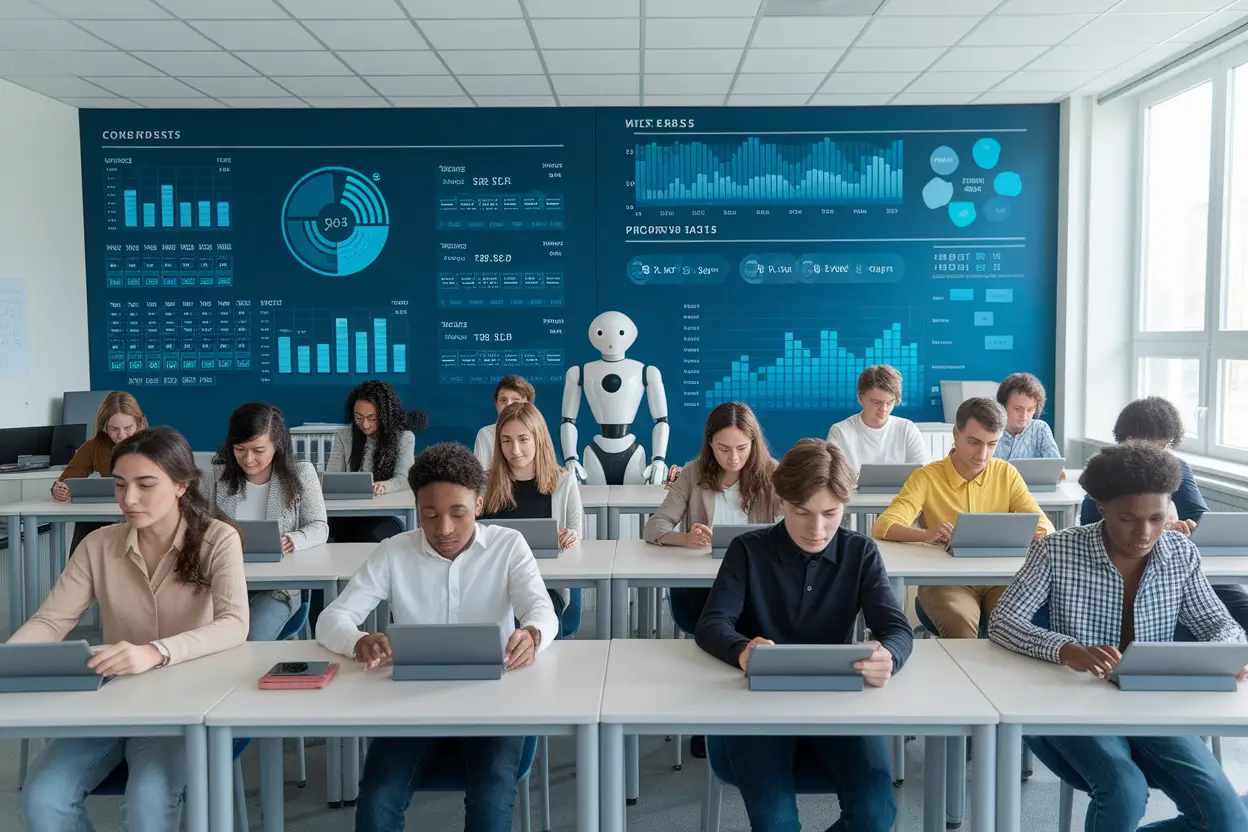
In environments where class sizes are large and resources are limited, Artificial Intelligence in Education solutions offer scalability and instant diagnostics. With AI support, educators can focus on targeted interventions and nurturing higher-level thinking skills, rather than conducting repetitive administrative tasks.
Case Study: AI Implementation in a Public School District
One notable example is the use of AI in a school district located in Texas, where adaptive learning tools and predictive analytics software were adopted district-wide. Within one school year, student performance in math and reading improved by 22%. Teachers reported enhanced efficiency, citing less time spent on mundane grading and more on personalized student feedback.
Step-by-Step Guide to Integrating Artificial Intelligence in Education
- Needs Assessment: Evaluate gaps in teaching or administration where AI can offer tangible benefits.
- Select AI Tools: Choose reputable platforms tailored for your institution’s requirements, such as adaptive learning or virtual assistants.
- Train Staff: Organize workshops to educate teachers on using AI tools efficiently.
- Conduct Pilot Programs: Test tools in limited settings to gather feedback.
- Monitor and Scale: Use analytics to assess improvement, and scale AI features where success is demonstrated.
Pros and Cons of Artificial Intelligence in Education
Pros
- Increased efficiency
- Inclusiveness for diverse learners
- Better academic outcomes
Cons
- Accuracy depends on data quality
- Risk of diminishing teacher-student interaction
- Implementation costs and training requirements
Future Outlook for Artificial Intelligence in Education
The global market for AI in education is projected to exceed $20 billion in expenditure by 2028. Major technological drivers include intelligent content creation, sentiment analysis, AI instructional coaches, and multi-lingual support systems. Near-future trends will emphasize stronger AI ethics frameworks, sophisticated content recommendation engines, and increasingly immersive learning environments powered by AI-VR hybrids.
Conclusion: The Role of Artificial Intelligence in Education Going Forward
Artificial Intelligence in Education is more than a trend; it’s a foundational shift. It empowers learners, supports educators, and enhances institutions through smart automation and personalized engagement. However, its long-term success will depend on maintaining ethical standards, ensuring data security, and promoting accessibility. With careful integration, AI will continue to elevate the education sector, making learning more effective, inclusive, and future-ready.
Frequently Asked Questions on Artificial Intelligence in Education
What is the role of AI in personalized learning?
AI evaluates student learning patterns and customizes content delivery, adjusting the pace, complexity, and delivery method to match individual needs.
Can AI replace teachers in the future?
No, AI is meant to augment teaching, not replace educators. Human elements like motivation, empathy, and mentoring remain irreplaceable aspects of education.
Is student data safe when using AI tools?
It depends on the platform. Reputable providers follow strict data encryption and access control protocols to protect privacy.
What skills do educators need to use AI?
Educators should be familiar with data literacy, digital tools, and basic understanding of how AI systems function within learning environments.
How can schools get started with AI integration?
Schools can begin by identifying pain points in teaching or administration and piloting select AI applications in learning or operational tasks.