


Stock Tokenization is transforming how investors access the equity market by converting traditional shares into digital tokens recorded on the blockchain. This innovative process enhances accessibility, efficiency, and transparency by allowing fractional ownership, cross-border trading, and round-the-clock accessibility. With technology bridging the gap between traditional finance and decentralized infrastructure, stock tokenization is poised to revolutionize capital markets for the future.
What Is Stock Tokenization?
Stock tokenization refers to the process of converting real-world equity shares into blockchain-based digital tokens. Each token represents a portion of stock ownership—equal to a full share or a fractional part. These tokenized shares can be traded on blockchain platforms that support smart contracts and decentralized finance protocols. The goal is to replicate the value and benefit of traditional shares while leveraging the efficiency and security of blockchain technology.
How Does Stock Tokenization Work?
The process of stock tokenization includes several critical steps to ensure legal compliance, asset backing, and technological viability.
1. Asset Selection
In this stage, a specific equity asset such as Apple or Tesla stock is chosen for tokenization.
2. Custody Arrangement
A licensed, regulated custodian holds the actual shares in a secure account, serving as physical proof backing the digital tokens.
3. Token Issuance
Digital tokens are created on a blockchain network like Ethereum or Avalanche, representing full or partial shares of the underlying stock.
4. Regulatory Compliance
This ensures the tokens adhere to relevant laws, including KYC/AML procedures and securities regulations in multiple jurisdictions.
5. Trading Platform Integration
Finally, the tokens are listed on a decentralized or centralized trading platform that supports smart contracts for 24/7 trading.
Types of Stock Tokenization
There are three main categories in which stock tokenization models fall:
- Natively Issued Tokens: Stocks issued directly on the blockchain, where blockchain becomes the fundamental record.
- Wrapped Tokens: Each token is backed 1:1 with a share held by a custodian.
- Synthetic Tokens: Derivatives mirroring the value of real stocks using data feeds without owning the real stock.
Key Advantages of Stock Tokenization
Tokenizing stocks presents numerous benefits for both individual and institutional investors:
- Fractional Ownership: Reduces capital thresholds, enabling micro-investments in high-value stocks
- 24/7 Trading: Makes equity trading possible beyond the constraints of traditional market hours
- Global Accessibility: Investors worldwide can access U.S. stock markets without the need for intermediaries
- Improved Liquidity: Smaller trade units, enhanced access, and fewer barriers lead to active markets
- Immutable Transactions: Blockchain ensures each transaction is traceable and tamper-proof
Challenges and Risks in Stock Tokenization
Despite its advantages, stock tokenization does face certain hurdles:
- Regulatory Uncertainty: Many jurisdictions are still developing laws governing tokenized assets
- Limited Investor Rights: Token holders may not enjoy rights like dividends or voting privileges
- Security Risks: Smart contract vulnerabilities and custodian risks can lead to asset loss
- Volatile Liquidity: Especially for niche or synthetic tokens, which may lack trading depth
Real-World Applications of Stock Tokenization
Stock Tokenization is already being adopted in various corners of the financial world. Here are key implementations:
- Ondo Global Markets: Launched over 100 tokenized stocks and ETFs representing leading companies, offering fractional access through Blockchain.com.
- Republic’s Mirror Tokens: Enabled investment in private firms like SpaceX and Anthropic through fractional equity exposure.
- Securitize in Spain: Approved to operate a blockchain-powered stock exchange on Avalanche network.
Emerging Trends in Stock Tokenization
The evolution of stock tokenization is supported by both institutional backing and regulatory advancements:
- Institutional Entry: Financial giants like JPMorgan and Apollo investing in tokenization frameworks
- Stakeholder Scrutiny: Regulatory bodies such as ESMA raising concerns over investor protections and clarity
Stock Tokenization and Traditional Investments
Traditional stock trading relies on centralized, regulated exchanges with limited hours and varying access. In comparison:
| Feature | Traditional Stocks | Tokenized Stocks |
|---|---|---|
| Access | Restricted by geography and brokers | Global, borderless |
| Trading Hours | Weekdays, limited hours | 24/7 |
| Fractional Ownership | Rare | Commonplace |
| Settlement Time | 2-3 days | Near-instant |
Technical Foundations of Stock Tokenization
Successful tokenization relies heavily on robust technical infrastructure:
- Smart Contracts: Enable issuance, transfers, and regulatory checks autonomously.
- Oracle Integration: Delivers accurate, real-time price feeds crucial for synthetic tokens.
- KYC & AML Protocols: Embedded compliance tools provide user verification and record maintenance.
Case Study: Mirror Tokens by Republic
Republic launched mirror tokens to offer investors exposure to private firms normally inaccessible to retail investors. These tokens replicate a share’s economic behavior—albeit without legal ownership or voting rights—providing a unique investment model. This case illustrates how tokenization can even extend beyond public equity markets.
Stock Tokenization vs ETFs
While ETFs allow diversification, tokenized stocks provide more direct and flexible control. Here’s how they compare:
| Attribute | ETFs | Tokenized Stocks |
|---|---|---|
| Diversification | High | Low, unless diversified manually |
| Own Specific Stocks | Indirect | Direct |
| Liquidity | Market-hours only | 24/7 |
| Fractional Shares | Not typical | Standard |
Common Mistakes in Stock Tokenization
Even though stock tokenization holds immense promise, market participants often fall into pitfalls:
- Overlooking Regulatory Compliance: Skipping KYC or misinterpreting legal frameworks can result in swift shutdowns
- Lack of Custodial Transparency: Unverified custody solutions pose trust and solvency risks
- Weak Smart Contract Code: Code bugs can be exploited, resulting in economic loss
Actionable Steps for Entering Stock Tokenization Markets
If you’re looking to engage in this emerging marketplace:
- Choose a platform offering high regulatory and custodial transparency
- Never skip due diligence; question how and where underlying shares are held
- Understand the token’s terms—does it offer dividends or just price exposure?
- Secure your digital assets using hardware wallets and 2FA techniques
Future Outlook of Stock Tokenization
The future of stock tokenization looks promising with increasing adoption. As regulatory clarity improves and technical standards are uniformed across markets, the process could redefine investing at scale. Democratizing equity ownership, enabling smart contract dividends, and cross-border investing are just the beginning.
Frequently Asked Questions (FAQs)
What is stock tokenization?
It is the process of representing equity shares as digital tokens on a blockchain, each token carrying real or derived economic value.
How is a tokenized stock backed?
Typically via custodians holding the real shares supporting the digital representation on a 1:1 basis.
Is investing in tokenized stock safe?
It can be, provided there is transparency about custody, clear regulatory compliance, and security over token management.
Can I vote in shareholder meetings using tokenized stock?
Most tokenized stocks do not grant voting rights, especially synthetic or mirror token models.
Are tokenized stocks regulated?
Regulatory oversight varies by country. Some jurisdictions recognize them under security laws while others lack clarity.
Visualizing Tokenization in Financial Infrastructure
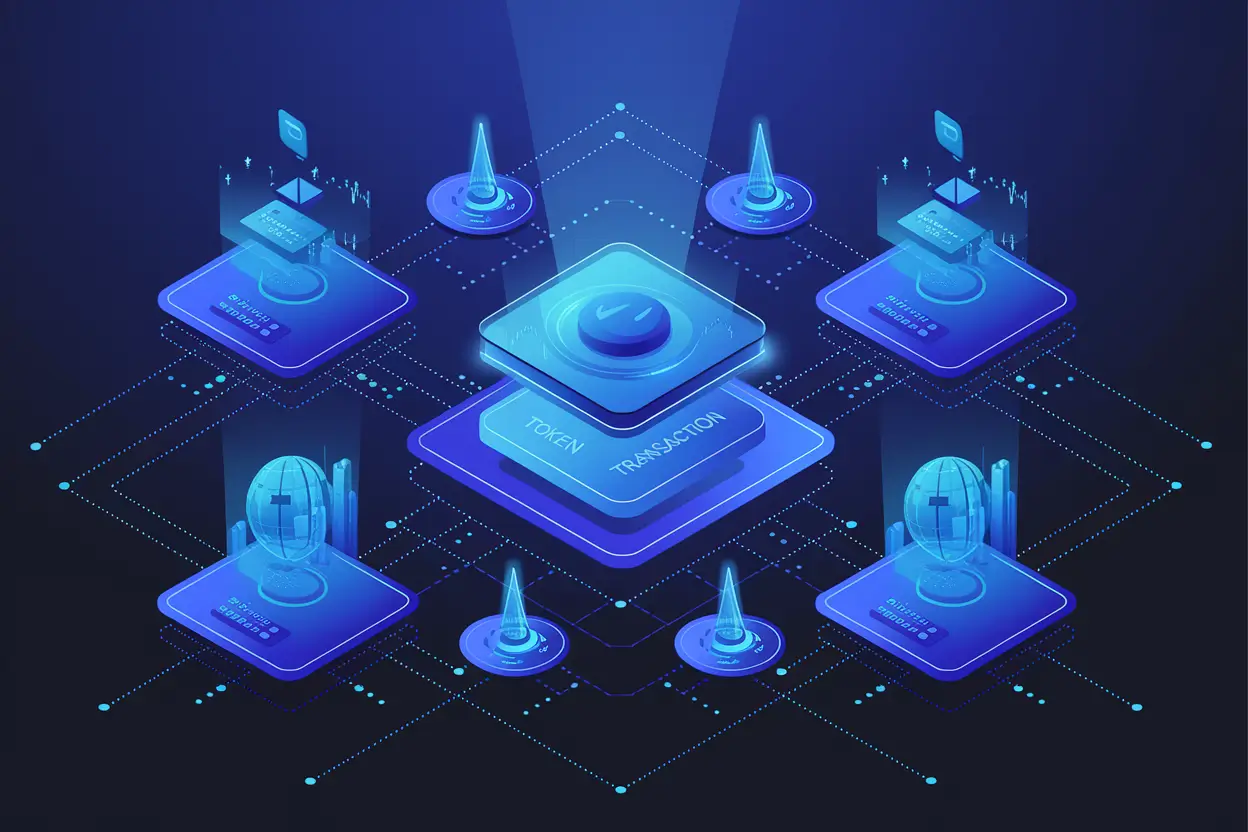
The concept of tokenized equities reflects the convergence of traditional finance and blockchain. Visual schemes often depict token transaction flows, smart contract rules, and digital wallets bridging investors to assets globally.