

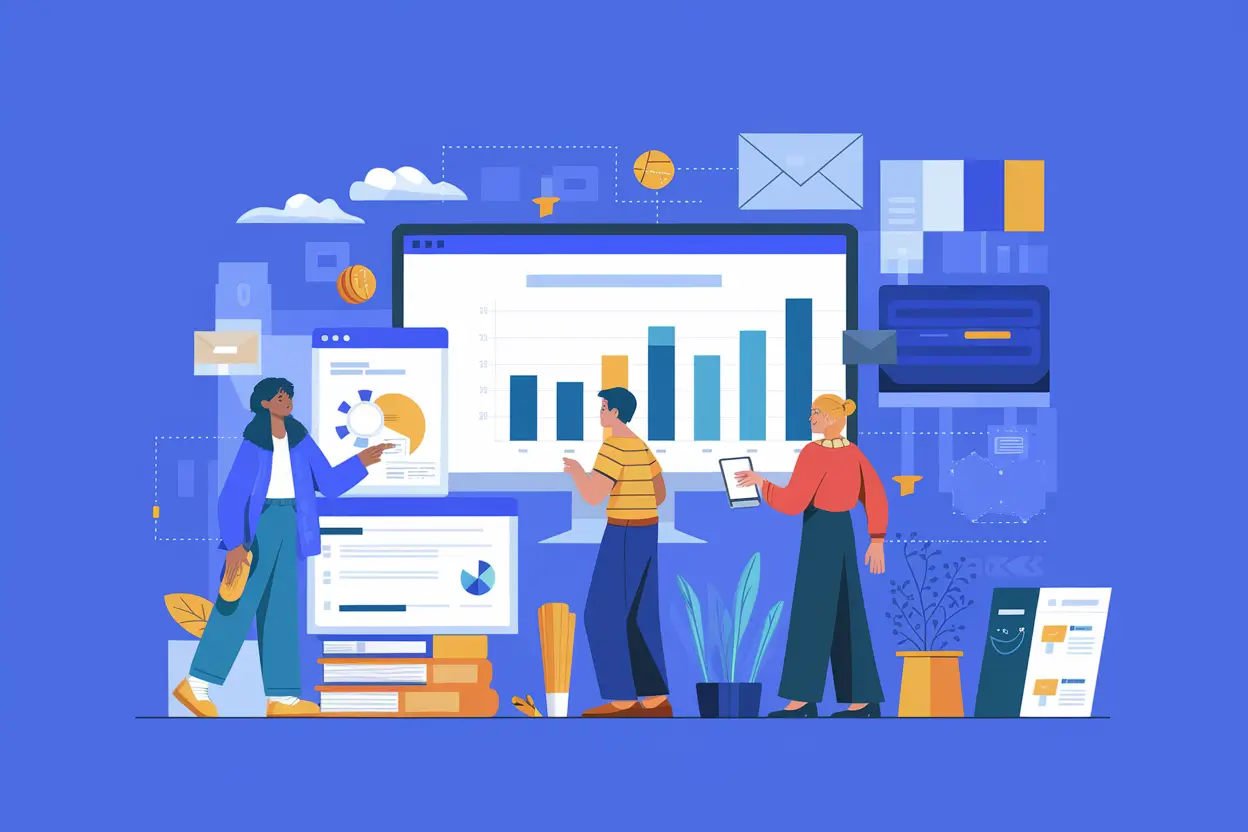
Lead generation platforms are transforming the way businesses attract and convert potential customers into tangible leads. In this guide, we will explore how these platforms function, their core benefits and challenges, compare leading tools, detail real-world use cases, and discuss future trends to help your business make data-driven marketing decisions.
What Are Lead Generation Platforms?
Lead generation platforms are software tools designed to automate and enhance the lead acquisition process. They focus on capturing interest from prospective clients using strategies like content marketing, SEO, social media marketing, and more. Their purpose is to connect businesses with users who are most likely to convert into paying customers.
How Lead Generation Platforms Work
Lead generation platforms collect prospect data through multiple touchpoints and channels. Once the data is captured, it’s stored, analyzed, and used to guide marketing and sales decisions. Features typically include lead scoring, nurturing workflows, analytic dashboards, and integrations with CRMs.
Key Processes:
- Content Marketing: Offers valuable content to attract visitors.
- Email Marketing: Sends personalized campaigns to nurture leads.
- Social Media: Engages users directly through platforms like Facebook or LinkedIn.
- SEO & PPC: Increases visibility via search engines or paid ads.
Core Features in Lead Generation Platforms
Successful lead generation platforms share certain foundational elements. These features streamline the lead process and improve conversion rates.
- Lead Capture: Uses landing pages, forms, and CTA buttons to collect contact info.
- Lead Scoring: Assigns scores based on behavior and likelihood of conversion.
- Lead Nurturing: Sends relevant content to guide leads through the funnel.
- Analytics: Offers visual and data-rich dashboards to track performance.
Benefits of Using Lead Generation Platforms
The use of lead generation platforms goes beyond capturing leads—it’s about doing so efficiently and at scale.
- Increased Efficiency: Automation reduces manual workload.
- Advanced Targeting: Tailored strategies based on user behavior.
- Higher Conversion Rates: Personalized messaging boosts engagement.
- Scalability: Handles thousands of interactions without breaking workflows.
- Better ROI: Improves return on marketing spend through data optimization.
Challenges and Limitations of Lead Generation Platforms
Despite their strengths, some challenges come with implementing these platforms.
- High Costs: Premium tools may not be affordable for small businesses.
- Complex Setup: May require training and onboarding time.
- Compliance Risks: Collecting user data comes with regulatory demands like GDPR.
Popular Lead Generation Platforms to Consider
A variety of lead generation platforms are available; choosing one depends on business size, goals, and strategy.
- HubSpot Marketing Hub: Provides a full suite of CRM-integrated marketing tools.
- LinkedIn Sales Navigator: Ideal for B2B engagement through professional networks.
- Lusha: Fetches verified contact details; useful for cold outreach.
Latest Trends in Lead Generation Platforms
Technology shifts and changing consumer behavior are shaping how lead generation software evolves:
- AI & Machine Learning: Platforms use predictive analytics and intelligent scoring.
- Interactive Content: Tools like calculators, quizzes, and polls enhance engagement.
- Tool Integration: CRM, email, and analytics systems are seamless in modern platforms.
Technical Tips for Lead Generation Platform Implementation
Adopting a lead generation platform requires thoughtful planning:
- Profile Your Audience: Understand and segment your market correctly.
- Platform Selection Based on Needs: Match platform features with business objectives.
- Tool Compatibility: Ensure integrations with current stack (email, CRM, analytics).
- Iterate Using Data: Regularly test, optimize, and recalibrate campaigns.
Lead Generation Platforms vs. Alternatives
| Platform | Strength | Ideal For |
|---|---|---|
| HubSpot | Ease of use, powerful automation | SMBs with basic to intermediate needs |
| Salesforce | Highly customizable, robust CRM | Large enterprises |
| LinkedIn Sales Navigator | B2B social selling | Sales teams targeting decision makers |
| Apollo.io | Integrated email, calling, and prospecting | Outbound sales teams |
Use Cases: Real-World Applications of Lead Generation Platforms
Businesses across industries use these tools to refine their audience reach:
- Retail Brands: Capture visitor info through interactive quizzes and newsletters.
- B2B SaaS Companies: Identify ideal prospects using lead scoring tools.
- Service Firms: Automate follow-ups with email sequences.
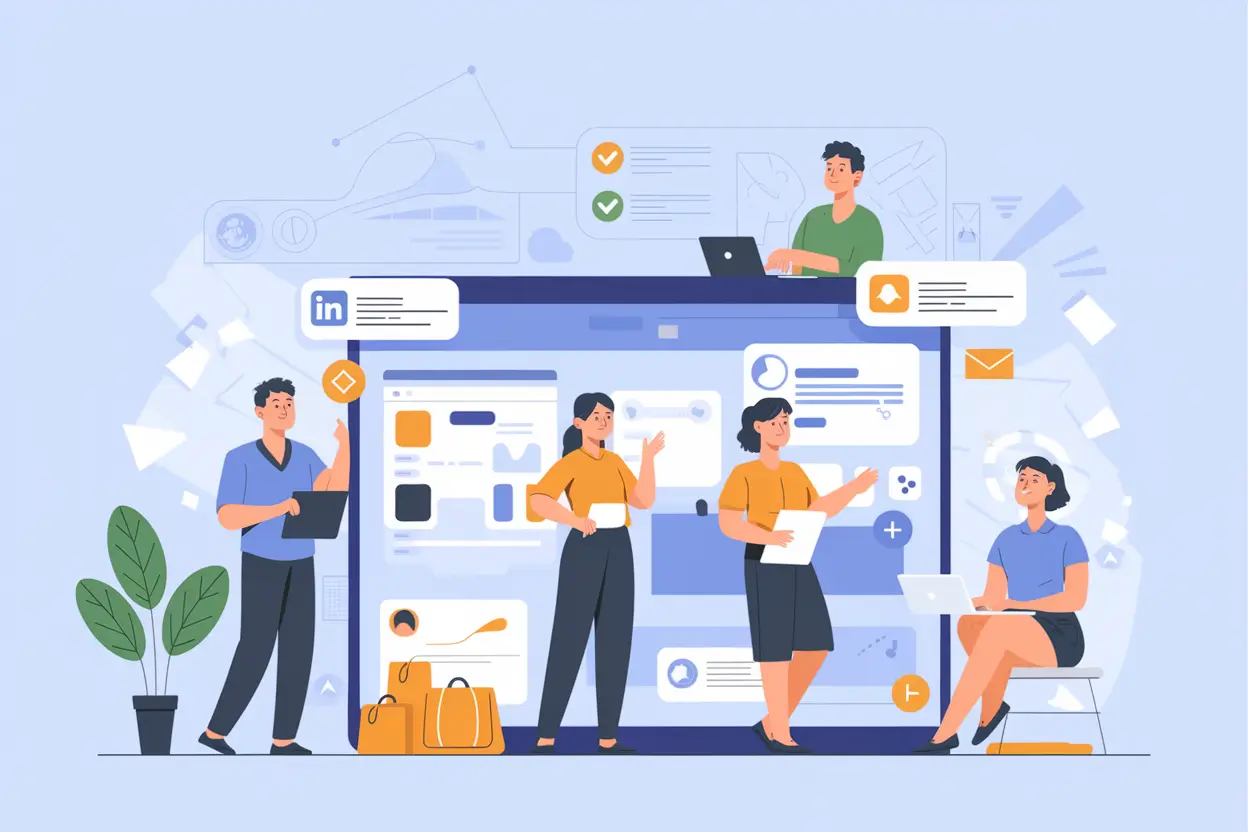
Common Mistakes When Using Lead Generation Platforms
Knowing what not to do can be just as important as implementing best practices:
- Ignoring Data Privacy: Mismanaging user data can result in penalties.
- Over-Reliance on Automation: Human touch is still crucial in conversion processes.
- Neglecting Segmentation: Sending the same email to all can tank your open rates.
Actionable Tips to Maximize Lead Generation ROI
- Use AI tools for enhanced targeting
- Test multiple landing page designs
- Incorporate video in email sequences
- Schedule regular CRM cleanups
- Implement lead recycling for non-responsive leads
Lead Generation Platforms: Future Outlook
The future looks promising as platforms become smarter and more integrated:
- Stronger AI utilization for behavior prediction
- Enhanced data security architecture
- Rise of gamified experiences and mobile-first approaches
Conclusion: Why Lead Generation Platforms Are Crucial in 2025
Lead generation platforms are now indispensable for modern businesses seeking scalable and data-driven growth. With smart integration, rich analytics, and AI-backed features, companies that adopt these tools and learn to navigate their complexities will be best positioned to capture high-quality leads and drive long-term success.
FAQs About Lead Generation Platforms
What is the primary purpose of lead generation platforms?
The main goal is to identify and convert potential customers into qualified leads through automation and targeted strategies.
Are lead generation platforms suitable for small businesses?
Yes. Many offer tiered pricing or free services, making them accessible to startups and SMEs.
Which is better for B2B leads: LinkedIn Sales Navigator or Apollo.io?
LinkedIn is better for networking with decision-makers, while Apollo.io provides a broader outbound toolkit.
How do platforms ensure data privacy?
They comply with regulations like GDPR through encryption, consent forms, and role-based access.
Do these tools replace sales teams?
No. They supplement efforts by providing better leads; human interaction is still vital.