

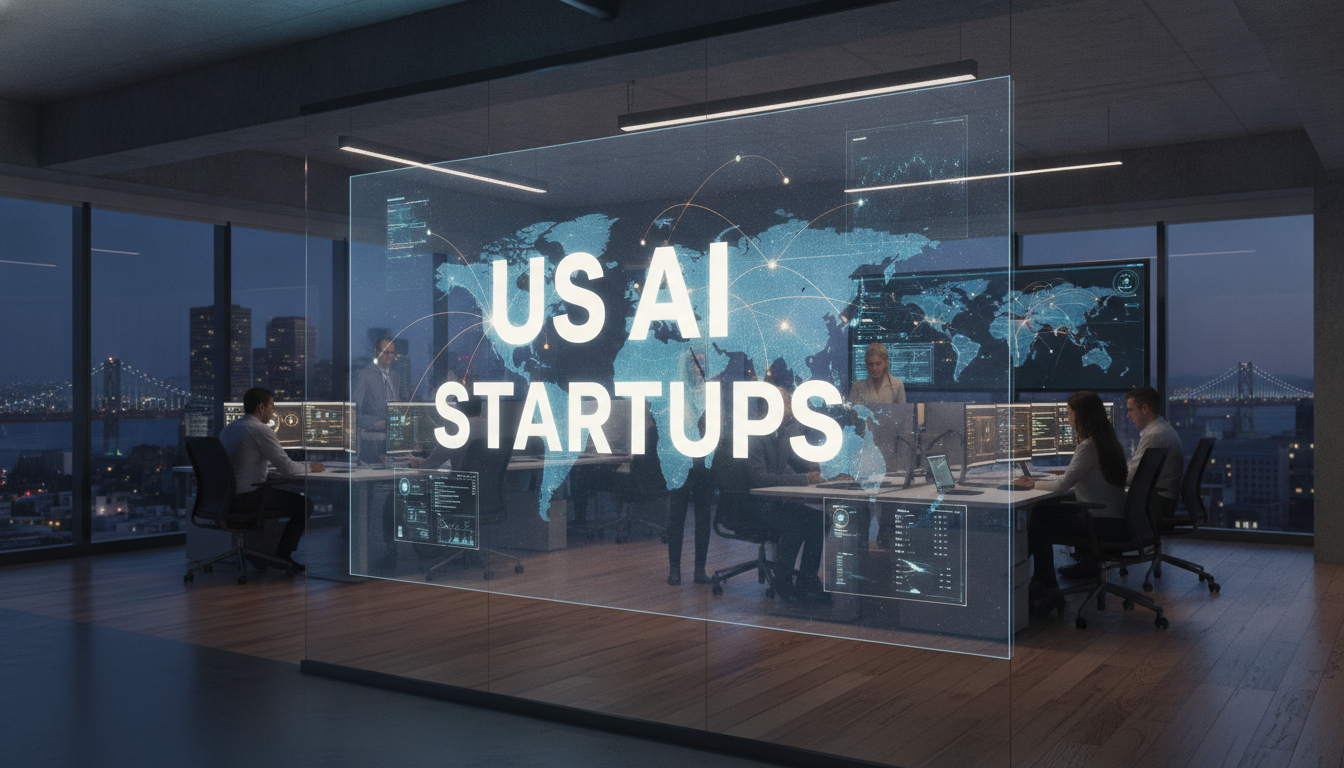
The global AI market is shifting. Many US AI startups are quietly switching to cheaper Chinese models to survive. OpenAI and Anthropic know this is happening. That is precisely why they are practically giving away their products to developers right now.
The AI race is no longer just about raw intelligence. It has turned into a brutal price war. Tech giants are throwing billions in compute credits at early-stage companies. They want to secure developer loyalty before startups switch to cheaper overseas alternatives.
Let us look at what is actually happening. The underlying reality is far more interesting than it looks on the surface. We are witnessing a battle for infrastructure dominance.
The Free Compute Play: A Land Grab Disguised as Philanthropy
OpenAI, Anthropic, Google, and AWS are offering massive perks. Startups can easily claim millions of dollars in free compute credits. It seems generous at first glance. However, this is not a charitable endeavor.
This strategy is a calculated land grab. Big Tech wants to hook startups on their APIs during formative months. If you build your product around a specific model, your switching costs will skyrocket later. By the time you generate real revenue, they own your infrastructure.
This is the classic software playbook. Salesforce did this with customer relationship software. AWS used it to dominate cloud computing. Today, the same model is applied to Ai As A Service solutions globally.
But the pressure is building. The sheer scale of this play reveals a deeper sense of urgency. The top players are burning capital to maintain their positions.
Desperation in Silicon Valley: Runaway Losses vs. Rising Stars
The financial figures behind the leading US AI companies are staggering. Anthropic has grown at a blistering speed. Its enterprise LLM market share surged to 34.4% in April 2026. This allowed Anthropic to surpass OpenAI in paid business adoption.
Anthropic’s annual revenue run rate crossed $30 billion in early 2026. Meanwhile, OpenAI saw its audited losses increase nearly 8x in 2025. OpenAI’s losses surged to an astounding $38.5 billion. This cash burn is happening despite bringing in $13.1 billion in revenue.
To keep up, OpenAI and Anthropic are releasing advanced features like Claude Voice Mode Ai Enhancement. Yet they are simultaneously slashing API costs. It is a dual strategy of confidence and panic. They must keep startups from leaving, even if it means losing money on every user.
This dynamic resembles popular media representations of tech. It is like the hyper-competitive scenarios shown in the Top 10 Movies About Ai Technology You Must Watch. The reality, however, has much higher stakes.
Why US AI Startups are Migrating to Chinese Models
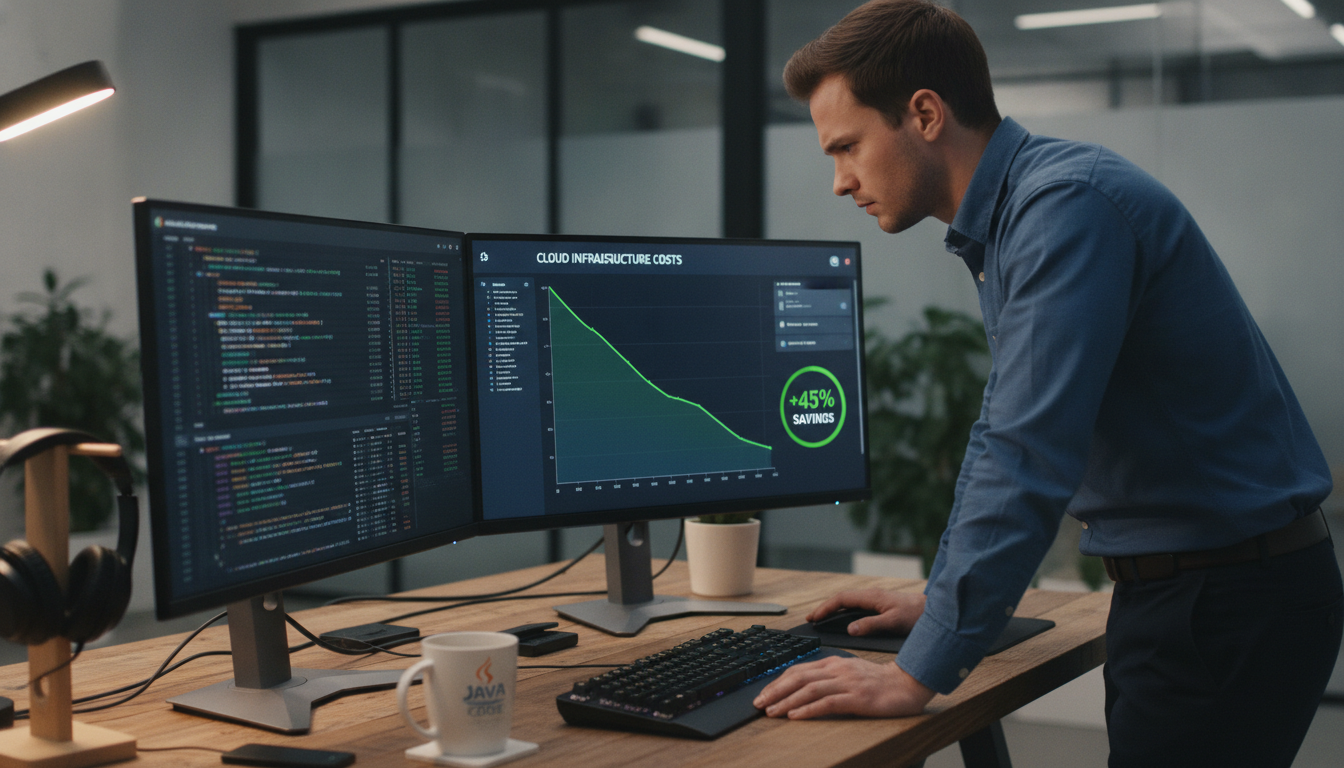
While Western tech giants throw free credits at the top of the funnel, a quiet defection is occurring at the bottom. Pragmatic developers with real production workloads are choosing Chinese alternatives. The economics make this decision incredibly simple.
Open-source Chinese models like DeepSeek, Alibaba’s Qwen, and Xiaomi’s MiMo are incredibly cheap. They are often 60% to 90% cheaper than premium US models. DeepSeek can run up to 40 times cheaper than OpenAI on comparable enterprise workloads.
Data from API routing platforms confirms this trend. Chinese models accounted for over 30% of weekly enterprise token volume in early 2026. This share peaked at a massive 46% on platforms like OpenRouter. It is a dramatic rise from just 4.5% in early 2025.
This is why US AI startups are realizing that cost-effectiveness is a real business moat. Why pay $30 per million tokens when you can pay $0.14? For companies executing Custom Ai Model Deployment, these savings represent the difference between life and death. The performance gap is closing faster than anyone anticipated.
These cheap models are changing the web landscape. We are starting to see The Death Of Traditional Browsers Web3s Impact on how consumers interact with information. AI agents are replacing old-school search interfaces entirely.
The Plot Twist: China’s Reverse Great Firewall
Just as American companies accelerate their adoption of Chinese models, a major plot twist has emerged. Beijing is considering restricting overseas access to its most advanced AI systems. It is a massive shift in strategy.
According to reports by Time, China’s Ministry of Commerce has held private meetings with tech giants. Representatives from Alibaba, ByteDance, and Z.ai discussed keeping their frontier models inside China. This potential ban covers both closed-source and open-weight models.
Consider the sheer absurdity of this current moment in history:
- US firms are switching to Chinese models to survive on tight budgets.
- China plans to wall off its best AI assets from the outside world.
- US giants are bleeding billions while offering free compute to stop the defectors.
This shift will impact several critical sectors. It will heavily influence Ai In Supply Chain Management and logistics. Businesses that rely on uninterrupted data flows will face sudden bottlenecks.
The global AI market is developing strict national borders. If you build your entire business on a single foreign model, you are highly vulnerable. A single political decision could break your application overnight.
Strategic Blueprints for Founders: Thriving in a Fractured AI Era
If you are leading one of the many US AI startups in today’s market, you must play the game strategically. Do not become collateral damage in the geopolitical AI war. Here is how you can protect your startup:
1. Take the Credits, But Avoid Platform Lock-In
Free compute is an excellent tool. You should absolutely utilize the millions in free credits from OpenAI or AWS. However, you should not marry their platforms.
Design your software architecture with model-swapping in mind from day one. Build abstraction layers that let you swap models instantly. This design ensures you can transition from Claude to an open-weight model overnight if costs spike.
2. Explore Decentralized and Web3 Alternatives
To avoid single points of failure, look into decentralized solutions. Understand How Do Blockchain And Ai Work Together to create robust systems. Combining peer-to-peer computing with open-source models can bypass traditional cloud limits.
Leveraging the Benefits Of Blockchain Technology can secure your data storage. You can utilize Smart Contract Development For Business to automate token payments for API usage. This path protects your startup from sudden corporate policy changes.
Developing within a Dapp Development Decentralized Ecosystem offers censorship resistance. By studying diverse Blockchain Use Cases, founders can design resilient architectures. These systems are much harder for any single government to block or restrict.
Furthermore, Unlocking Potential Dapp Development allows you to run distributed inference. This means your application does not depend on a single centralized server in the US or China.
3. Realize the Power of Digital Ownership
As digital assets evolve, identity and ownership are becoming crucial. Technologies like Nfts Digital Ownership Metaverse concepts provide unique security layers. In a world of digital replication, knowing who owns the data is vital.
The same shift is happening in financial structures. We are seeing major disruptions in The Future Of Blockchain In Finance. Modern startups must adapt to these decentralized systems to remain competitive on a global scale.
The Final Signal
The current free compute offers from OpenAI and Anthropic are not just generous promotions. They are clear alarm signals. The leading US laboratories are worried about losing their market dominance.
They are terrified of the price-to-performance ratio of open-source rivals. Pay very close attention to what these giants are giving away. It will tell you exactly what they are afraid of losing.