

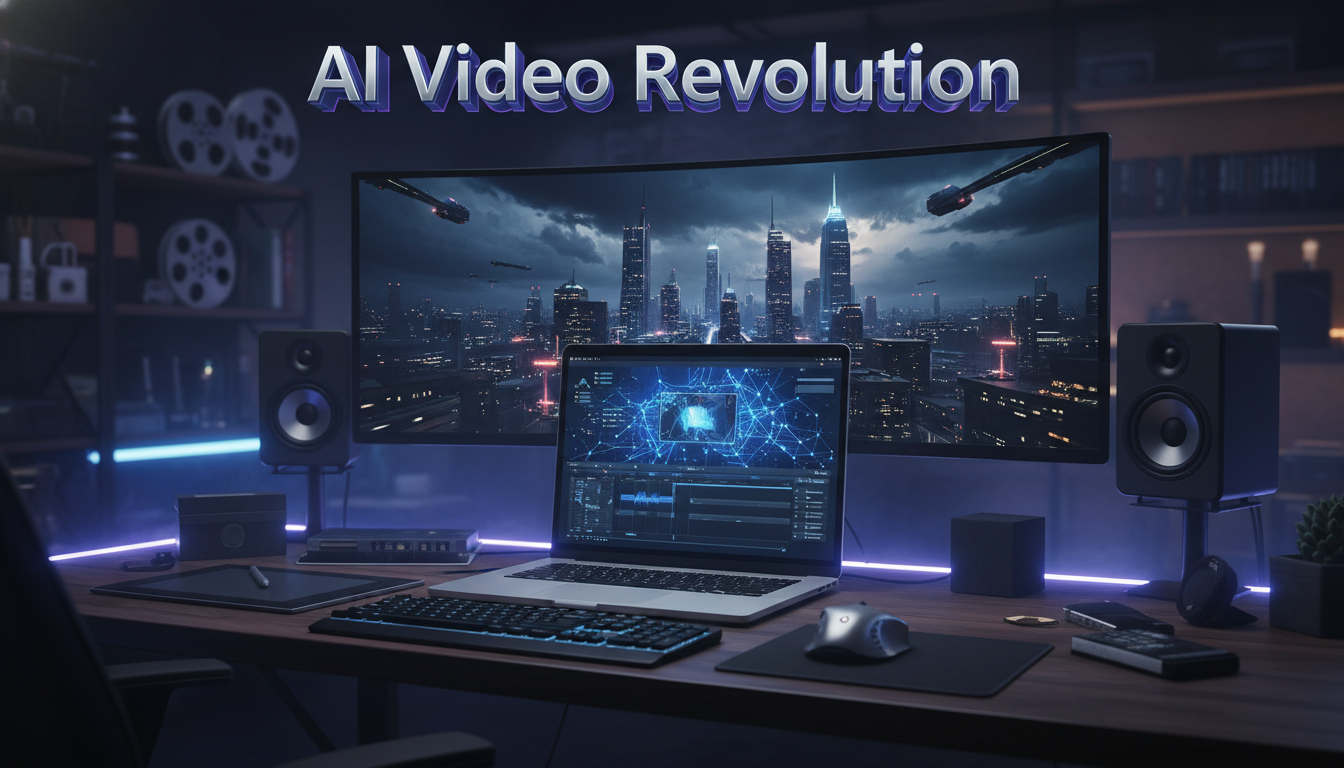
When it comes to Creating Engaging Videos With Ai, the creative world has reached a massive tipping point. Last month, an independent creator produced a complete five-minute film in just four and a half hours. They did not storyboard it manually. They did not direct the actors. Instead, they typed a brief text description and hit go. The autonomous agent handled the entire pipeline.
The entire process was fully automated. The pipeline generated scripts, character sheets, and voice narration. It even rendered video clips and exported a timeline directly to DaVinci Resolve. The film was based on O. Henry’s classic short story, The Gift of the Magi.
The creator used a custom pipeline. It consisted of NanoBanana Pro for images and MiniMax Hailuo-02 for video. They used Suno for background music and GPT-4o-mini-tts for voiceovers. This was not a stunt. It was a preview of things to come.
Creators are no longer just editing clips. They are leveraging advanced Ai Automation Services to handle full production cycles. The traditional filmmaking bottleneck is rapidly dissolving.
The Paradigm Shift: Creating Engaging Videos with AI Through Autonomous Agents
This paradigm shift is highly similar to how enterprises are using Ai Operations Agent Development to automate complex tasks. Filmmakers are moving from hands-on editing to executive briefing. You stop managing timelines. Instead, you start setting parameters.
While some use platforms like Make Workflow Development to connect simple APIs, this creator built a custom agent pipeline. This process shows that creating engaging videos with AI is transitioning from a frame-by-frame effort into an orchestrated ecosystem. Other builders use N8n Workflow Development to manage complex node-based media workflows.
If you want to understand how these custom pipelines function, look at how companies learn How To Build An Ai Model For An Enterprise. The core architecture is remarkably similar. You feed structured inputs to specialized agents. The agents execute the vision autonomously.
AI-Generated Films Are Already Hitting the Big Screen
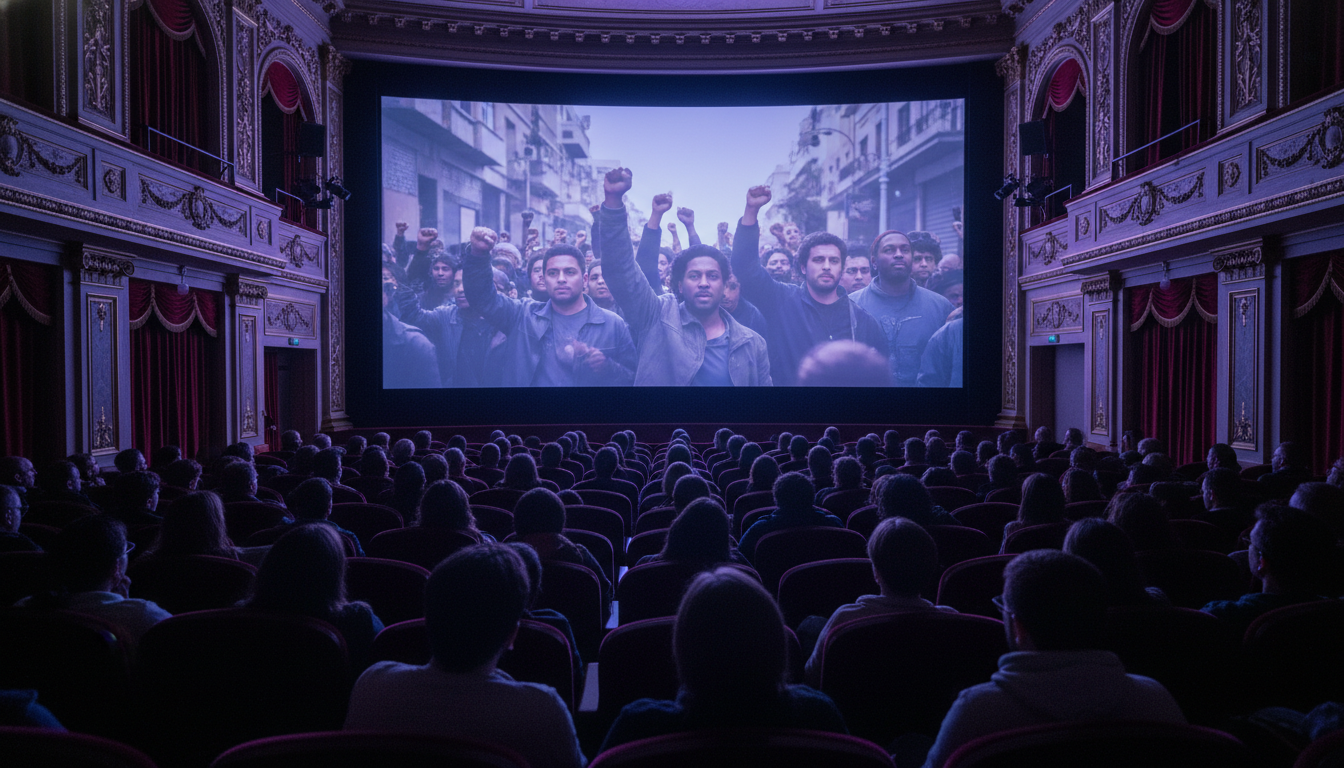
This is not just one creator messing around in their room. Major film festivals are taking note. This month, the Tribeca Film Festival is premiering Dreams of Violets. According to The Guardian, this is the first fully AI-generated live-action feature accepted at a major festival. It cost only $2,000 to produce. No actors were hired. No physical sets were built. It is a 75-minute docudrama about civil resistance in Iran.
Meanwhile, OpenAI backed another AI-powered animated film called Critterz. It was built by Native Foreign in collaboration with Vertigo Films. Although it faced delays, its creators showed that production times can be slashed dramatically. A typical film of this scale takes three years. The AI-assisted version is targeted to finish in months.
Then there is Bitcoin (originally titled Killing Satoshi), starring Casey Affleck, Gal Gadot, and Pete Davidson. Directed by Doug Liman, this film replaced what would have been $300 million in location shoots. Instead, the crew shot the film in 20 days on a bare stage with simple gray walls. AI filled in the environments in post-production. The budget dropped to $70 million.
We Are in the “Claude Code Moment” for Video Creation
If you have watched how software developers adopted Claude Code, you understand this transition. Developers give Claude Code a task and walk away. They return only to review and approve the output. The exact same shift is happening in video production right now.
Tools like OCTO are leading the charge in creating engaging videos with AI. Dreamina recently launched OCTO to handle scripting, character design, and storyboarding. It can generate short clips or even five-minute films in a single pipeline pass. It makes pacing and editing decisions autonomously.
Another studio, UTOPAI, just released PAI 2.0 with a clear mission. They want to catalyze a “Claude Code moment” for media generation. PAI 2.0 is an agent-first cinematic creation platform. It has already hit $11 million in annual recurring revenue. It offers a freeform Canvas workspace. Creators can organize, branch, and edit stories in one interface.
The Real Opportunity: Designing the Next-Gen Creative Interface
To succeed in this market, development studios are offering professional Ai Integration Services to media giants. However, a major bottleneck remains. In software development, the intermediate layer is code. Code is text. It can be reviewed, committed, and rolled back easily.
Vibe-contenting has none of that. The intermediate layer is a mess of scripts, reference images, character sheets, and audio files. These assets must stay in sync with the original creative intent. There is no standard interface for this yet. Nobody has built the perfect user experience.
This is the ultimate evolution of Creating Engaging Videos With Ai. The person who displays the full state of a video agent’s context will build an incredibly valuable tool. We need ways to see what the agent is thinking. We need to course-correct without restarting. By feeding the agent specific instructions using Few Shot Zero Shot Prompting, you control the final output. But the visual interface is still lacking.
What This Means for You Right Now
The barrier to high-quality video production is collapsing. This shift affects three major groups differently.
For Creators
The barrier to entry is gone. A solo creator can now produce what previously required a team of eight. If you are a creator, creating engaging videos with AI is no longer a luxury. It is a necessary leverage. However, you must develop excellent editorial taste. The key differentiator is no longer just video rendering. Instead, it is your strategic Prompt Design For Business.
For Builders
The generation layer is commoditizing fast. OCTO, PAI, and Google Flow are converging on the same capabilities. True differentiation will come from context management and creative consistency. Builders must focus on user experience. Focus on tools that allow seamless review and revision.
For Marketers and Brands
Platforms like TikTok are about to face a flood of AI micro-dramas. Scroll fatigue will set in quickly. The winning brands will not be those generating the most content. They will be the ones creating content that feels human.
Brands will use these agents to scale Sales Marketing Automation With Ai and produce highly engaging campaigns. But the brief, the taste, and the editorial judgment behind the agent will remain the competitive moat.
Conclusion
Much like how Finance Invoicing Automation frees up accountants, AI agents free up film directors. While HR departments benefit from custom Ai Hr Agent Development, creative teams get video agents. This mirrors how researchers are utilizing Ai Data Research Agent Development to parse complex data.
The tools are ready. The workflows are proving out. The user experience is the next frontier. That is where the opportunity lies.